


At a glance
Summary
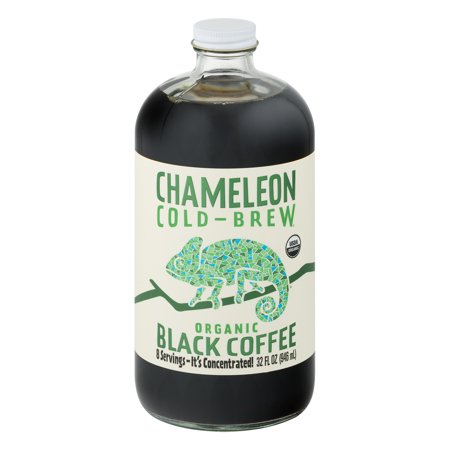
This oat milk latte contains organic ingredients, including cold brewed coffee and organic oats, which are positive aspects. However, the presence of organic sunflower oil, a seed oil, and added sugars contribute to potential health concerns, such as inflammation and increased blood sugar levels. The product is moderately processed, which limits its score despite the use of organic components.
Key ingredients 8
Cold Brewed CoffeeGood
Cold brewed coffee is a source of antioxidants and can provide a smoother taste with less acidity compared to hot brewed coffee. The use of organic coffee indicates a higher quality product with fewer pesticide residues. It may also offer a mild caffeine boost and potential cognitive benefits.
Risks
Excessive caffeine consumption can lead to insomnia, jitteriness, and increased heart rate.
Benefits
Rich in antioxidants that can help reduce inflammation and support overall health.
Organic Oat DrinkNeutral
Organic oat drink is a plant-based milk alternative that is generally well-tolerated and provides a creamy texture. The organic certification suggests fewer pesticide residues and a more environmentally friendly production process. However, it may contain added sugars and oils that can affect its health profile.
Risks
May contain added sugars and oils that could contribute to caloric intake and affect heart health.
Benefits
Provides a lactose-free alternative to dairy milk with a creamy texture.
Organic Caramel SugarNeutral
Organic caramel sugar is used for flavoring and adds a sweet, caramelized taste to products. Being organic suggests fewer chemical residues, but it still contributes to overall sugar intake. It is primarily used for its flavor-enhancing properties.
Risks
Contributes to added sugar intake, which can have negative health effects if consumed in excess.
Benefits
Enhances flavor with a rich, caramelized taste.
Trisodium CitrateNeutral
Trisodium citrate is used as an acidity regulator and stabilizer in foods and beverages. It is generally recognized as safe and helps maintain the product's pH balance. It does not provide nutritional benefits but is important for product stability.
Benefits
Helps maintain product stability and consistency.
SaltNeutral
Salt is used to enhance flavor and preserve food. While necessary in small amounts for bodily functions, excessive intake can lead to hypertension and cardiovascular issues. It is a common ingredient in many processed foods.
Risks
Excessive salt intake can lead to high blood pressure and increased risk of heart disease.
Benefits
Essential for maintaining fluid balance and nerve function in the body.
Potassium CarbonateNeutral
Potassium carbonate is used as a buffering agent and pH regulator in food products. It is generally recognized as safe and helps maintain the desired acidity in beverages. It does not contribute to the nutritional profile of the product.
Benefits
Helps maintain the desired acidity and stability of the product.
Organic Cane SugarBad
Organic cane sugar is a natural sweetener but contributes to added sugar intake, which can lead to health issues like obesity and diabetes. Despite being organic, it still impacts blood sugar levels similarly to regular sugar. Excessive consumption of added sugars is a major health concern.
Risks
High intake of added sugars can lead to weight gain, insulin resistance, and increased risk of chronic diseases.
Benefits
Provides a quick source of energy but should be consumed in moderation.
Organic Sunflower OilVery Bad
Organic sunflower oil is a seed oil high in omega-6 fatty acids, which can promote inflammation when consumed in excess. Despite being organic, it is still processed and can contribute to an imbalanced omega-6 to omega-3 ratio. Seed oils are generally considered unhealthy due to their processing and fatty acid profile.
Risks
High omega-6 content may promote inflammation and negatively impact heart health when consumed in excess.
Processing
Processed Foods
Get the full breakdown in the Scout appTake Scout shopping
Scan any product to see lab results, healthy alternatives, and your personalized analysis.
Download on theApp Store GET IT ONGoogle Play