


At a glance
Summary
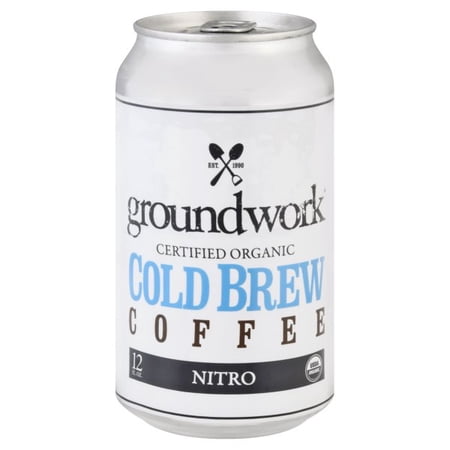
This cold brew coffee contains organic ingredients, which is a positive aspect, and it avoids artificial additives and excessive sugars. However, the presence of organic sunflower oil, a seed oil high in omega-6 fatty acids, is a concern due to its potential to promote inflammation. The product is also moderately processed, which limits its score despite the overall clean ingredient list.
Key ingredients 8
Organic Cold Brewed CoffeeVery Good
Organic cold brewed coffee is a high-quality ingredient known for its rich flavor and antioxidant content. The organic certification ensures that the coffee is free from synthetic pesticides and fertilizers, enhancing its health profile. Cold brewing also reduces acidity, making it gentler on the stomach.
Benefits
Rich in antioxidants that can help reduce inflammation and support overall health.
Organic CoffeeVery Good
Organic coffee is valued for its robust flavor and high antioxidant content. The organic certification indicates it is grown without synthetic chemicals, which can enhance its health benefits. It provides a natural source of caffeine, which can improve alertness and concentration.
Risks
Excessive caffeine consumption can lead to insomnia, jitteriness, and increased heart rate.
Benefits
Contains antioxidants that may help protect against oxidative stress and chronic diseases.
Organic Oat DrinkGood
Organic oat drink is a plant-based milk alternative that is often enriched with vitamins and minerals. It is made from organic oats, ensuring no synthetic pesticides are used. It provides a creamy texture and can be a source of dietary fiber.
Risks
May contain added sugars or thickeners in some formulations, but organic versions typically minimize these additives.
Benefits
Provides dietary fiber and can be fortified with essential nutrients like calcium and vitamin D.
Organic OatsGood
Organic oats are a whole grain ingredient known for their high fiber content and heart health benefits. Being organic, they are grown without synthetic pesticides, enhancing their nutritional profile. They can help lower cholesterol levels and improve digestion.
Benefits
Rich in beta-glucan, a type of soluble fiber that supports heart health and digestion.
WaterNeutral
Water is a neutral ingredient that serves as a solvent in beverages. It is essential for hydration and does not contribute any calories or nutrients. In this product, it acts as a base for the coffee extraction.
Benefits
Essential for hydration and acts as a medium for coffee extraction.
SaltNeutral
Salt is used to enhance flavor and balance the taste profile of beverages. In moderate amounts, it is essential for maintaining fluid balance and nerve function. However, excessive consumption can lead to health issues such as hypertension.
Risks
Excessive salt intake can lead to high blood pressure and cardiovascular issues.
Benefits
Essential for maintaining electrolyte balance and proper nerve function.
Potassium CarbonateNeutral
Potassium carbonate is used as a pH regulator and processing aid in food products. It is generally recognized as safe when used in small amounts. It helps maintain the desired acidity level in beverages.
Benefits
Helps maintain pH balance in food products, ensuring stability and taste.
Organic Sunflower OilVery Bad
Organic sunflower oil is a seed oil high in omega-6 fatty acids, which can promote inflammation if consumed in excess. Despite being organic, it is still a processed oil that can contribute to an imbalanced omega-3 to omega-6 ratio. It is often used for its mild flavor and high smoke point.
Risks
High omega-6 content may promote inflammation when consumed in excess.
Benefits
Provides vitamin E, an antioxidant that supports skin health.
Processing
Processed Foods
Get the full breakdown in the Scout appTake Scout shopping
Scan any product to see lab results, healthy alternatives, and your personalized analysis.
Download on theApp Store GET IT ONGoogle PlayAmazon pricing & content
CERTAIN CONTENT THAT APPEARS ON THIS SITE COMES FROM AMAZON. THIS CONTENT IS PROVIDED “AS IS” AND IS SUBJECT TO CHANGE OR REMOVAL AT ANY TIME.