
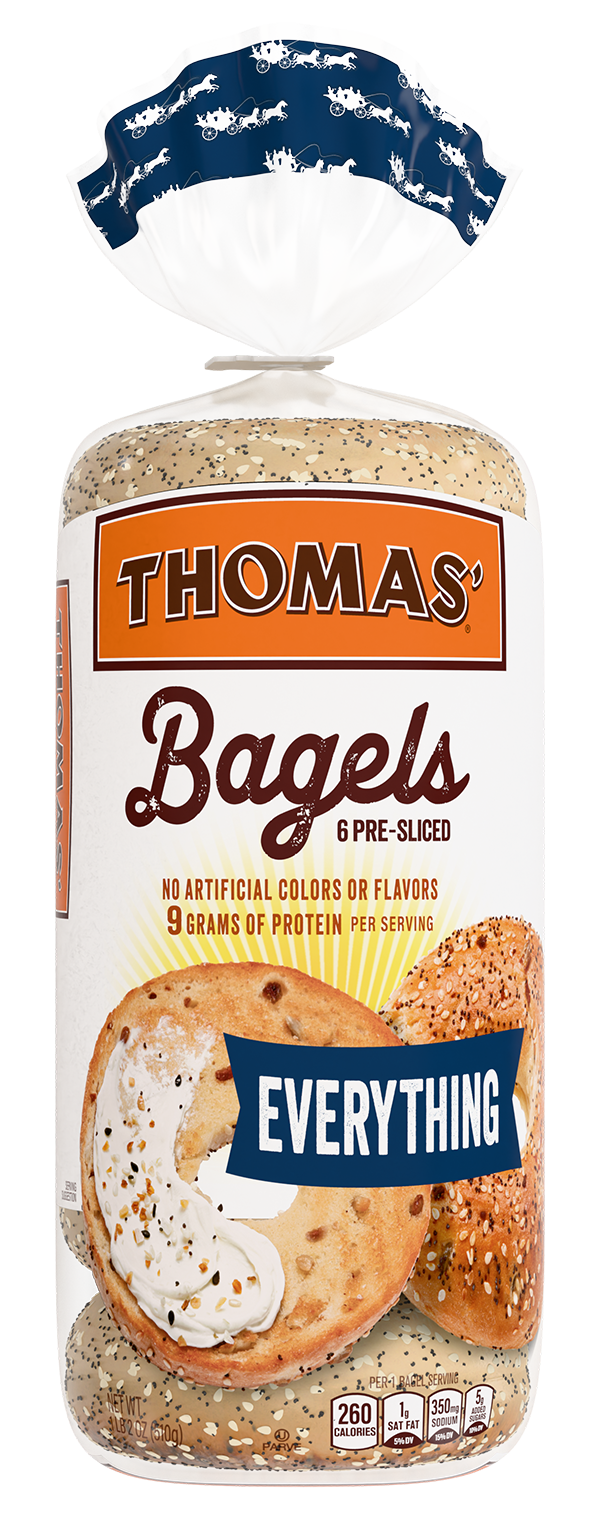




EVERYTHING BAGELS
Summary
This product contains a mix of beneficial ingredients like flax seeds and inulin, which support heart and gut health. However, it is heavily processed with multiple additives and includes ingredients like partially defatted soy flour and natural flavors, which detract from its overall healthiness. The high level of processing limits its potential health benefits despite some positive nutritional aspects.
At a glance
Key ingredients 15
WaterNeutral
Water is a fundamental ingredient used to hydrate and bind other components. It is essential for the dough formation process. No significant health impacts are associated with water in this context.
See more about Water →Resistant Wheat StarchGood
Resistant wheat starch is a type of dietary fiber that resists digestion in the small intestine. It promotes gut health by acting as a prebiotic. It can help improve bowel regularity and support a healthy microbiome.
Risks
Excessive consumption may cause digestive discomfort in some individuals.
Benefits
Supports digestive health and may aid in blood sugar management.
Wheat GlutenNeutral
Wheat gluten is a protein that provides elasticity and structure to baked goods. It is a common ingredient in bread products to improve texture. While it is beneficial for texture, it can cause issues for those with gluten intolerance or celiac disease.
Risks
May cause adverse reactions in individuals with gluten intolerance or celiac disease.
Benefits
Improves the texture and structure of baked goods.
Partially Defatted Soy FlourBad
Partially defatted soy flour is a processed soy product used to increase protein content. It is less beneficial compared to whole soy due to processing. Soy products can be allergenic and may affect hormone levels due to phytoestrogens.
Risks
Potential allergen and may affect hormone levels due to phytoestrogens.
Benefits
Provides a source of plant-based protein.
Wheat Protein IsolateNeutral
Wheat protein isolate is a concentrated protein source derived from wheat. It is used to boost protein content in foods. While it is effective for protein fortification, it lacks the complete amino acid profile found in animal proteins.
Risks
May cause issues for those with gluten intolerance or celiac disease.
Benefits
Increases protein content in food products.
Olive Pomace OilGood
Olive pomace oil is a type of olive oil extracted from the pulp after the first pressing. It contains healthy monounsaturated fats. While not as high-quality as extra virgin olive oil, it still offers some health benefits.
Benefits
Contains monounsaturated fats that support heart health.
YeastNeutral
Yeast is a microorganism used in baking to leaven dough. It ferments sugars, producing carbon dioxide that helps dough rise. It is a standard ingredient in bread-making with no significant health concerns.
Benefits
Essential for leavening and improving bread texture.
Flax SeedsVery Good
Flax seeds are a rich source of omega-3 fatty acids and dietary fiber. They support heart health and improve digestive function. Their lignans may also have antioxidant properties.
Risks
May cause digestive discomfort if consumed in large quantities.
Benefits
Rich in omega-3 fatty acids and fiber, supporting heart and digestive health.
ErythritolNeutral
Erythritol is a sugar alcohol used as a low-calorie sweetener. It provides sweetness without raising blood sugar levels. It is generally well-tolerated but may cause digestive issues in some people.
Risks
May cause digestive discomfort if consumed in large amounts.
Benefits
Provides sweetness with minimal impact on blood sugar levels.
InulinGood
Inulin is a type of soluble fiber that acts as a prebiotic. It supports gut health by promoting beneficial bacteria growth. It may also aid in improving digestive health and regulating blood sugar levels.
Risks
Excessive intake may lead to bloating or gas.
Benefits
Supports gut health and may help regulate blood sugar levels.
Cultured Wheat Flour BlendNeutral
Cultured wheat flour blend is used to enhance flavor and shelf life. It involves fermenting wheat flour with beneficial bacteria. While it can improve flavor, it does not significantly alter nutritional content.
Benefits
Enhances flavor and shelf life of baked goods.
Natural FlavorsBad
Natural flavors are additives used to enhance taste, derived from natural sources. They are often highly processed and lack transparency in their composition. This lack of transparency can be concerning for consumers seeking clean labels.
Risks
Potential allergen and lack of transparency in ingredient composition.
Benefits
Enhances flavor without adding calories.
Dehydrated OnionGood
Dehydrated onion is used for flavoring and retains many of the nutrients found in fresh onions. It provides antioxidants and may have anti-inflammatory properties. It is a convenient way to add onion flavor without moisture.
Benefits
Provides antioxidants and enhances flavor.
SaltNeutral
Salt is used to enhance flavor and act as a preservative. It is essential in moderation for maintaining electrolyte balance. Excessive consumption can lead to health issues such as hypertension.
Risks
Excessive intake may contribute to hypertension and cardiovascular issues.
Benefits
Enhances flavor and acts as a preservative.
Oat FiberGood
Oat fiber is a source of dietary fiber that supports digestive health. It can help regulate blood sugar levels and improve bowel regularity. It is beneficial for maintaining a healthy digestive system.
Benefits
Supports digestive health and may help regulate blood sugar levels.
Processing
Ultra-Processed Foods
Get the full breakdown in the Scout app
Scan any product to see lab results, healthy alternatives, and your personalized analysis.
Download on theApp Store