
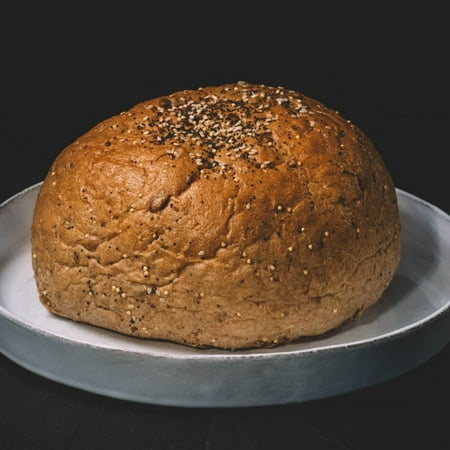
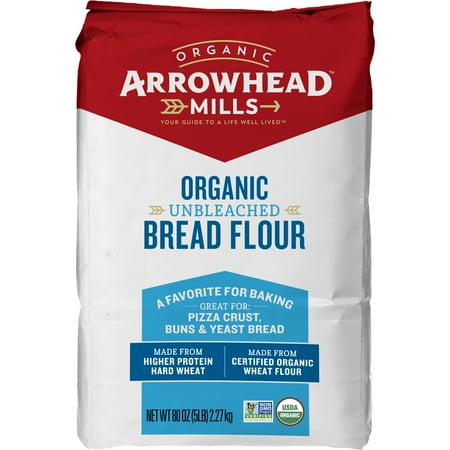
Everything Organic Bread
Summary
This bread features a clean ingredient list with organic and minimally processed components like stone-milled flour, extra virgin olive oil, and various whole grains, which contribute to its nutritional value. The use of organic ingredients ensures the absence of synthetic pesticides and fertilizers, enhancing its health profile. Despite being processed, the absence of harmful additives and the presence of beneficial ingredients allow it to achieve a high score within its category constraints.
At a glance
Key ingredients 22
Stone-milled organic flourVery Good
Stone-milled organic flour retains more nutrients compared to conventionally milled flour. The organic certification ensures no synthetic pesticides or fertilizers were used. This ingredient provides essential vitamins and minerals from whole grains.
Benefits
Rich in fiber and essential nutrients, supporting digestive health and providing sustained energy.
WaterNeutral
Water is a basic ingredient used to hydrate and bind the dough. It is essential for the baking process but does not contribute additional nutrients. Its neutrality in health impact makes it a standard component in bread.
See more about Water →Organic honeyGood
Organic honey is a natural sweetener with trace amounts of vitamins and minerals. It is less processed than refined sugars and provides antioxidants. The organic certification ensures no synthetic chemicals were used in its production.
Risks
Excessive consumption may contribute to high sugar intake.
Benefits
Contains antioxidants and has a lower glycemic index than refined sugar, providing a more gradual energy release.
Organic vital wheat glutenNeutral
Vital wheat gluten is used to improve the elasticity and texture of bread. It is a concentrated form of gluten, enhancing the protein content. While beneficial for bread structure, it may pose issues for those with gluten sensitivities.
Risks
May cause adverse reactions in individuals with gluten intolerance or celiac disease.
Benefits
Improves bread texture and protein content, making it more satisfying.
Organic minced onionGood
Organic minced onion adds flavor and potential health benefits to the bread. It contains antioxidants and compounds that may support heart health. The organic certification ensures no synthetic pesticides were used.
Benefits
Provides antioxidants and enhances flavor without adding calories.
Organic extra virgin olive oilVery Good
High-quality monounsaturated fat with anti-inflammatory properties. Contains antioxidants that support heart health. Cold-pressed extraction preserves beneficial compounds.
Benefits
Rich in monounsaturated fats that support heart health and provide anti-inflammatory properties. Contains antioxidants like vitamin E and polyphenols that may reduce oxidative stress.
YeastNeutral
Yeast is a leavening agent that helps bread rise by fermenting sugars. It is a natural ingredient essential for bread texture and flavor. While it does not provide significant nutrients, it is crucial for bread production.
Benefits
Contributes to the bread's texture and flavor through fermentation.
Organic milletGood
Organic millet is a whole grain that provides fiber, vitamins, and minerals. It is gluten-free and adds nutritional diversity to the bread. The organic certification ensures no synthetic chemicals were used.
Benefits
Rich in fiber and essential nutrients, supporting digestive health and providing sustained energy.
Organic black quinoaVery Good
Organic black quinoa is a nutrient-dense grain rich in protein, fiber, and essential amino acids. It is a complete protein source, making it valuable for vegetarians. The organic certification ensures no synthetic chemicals were used.
Benefits
Provides complete protein and essential nutrients, supporting overall health and wellness.
Sea saltGood
Unrefined sea salt — a minimally processed, natural source of sodium and essential trace minerals, and a legitimate whole-food seasoning. Treated as a positive ingredient.
Risks
Excessive consumption may lead to high sodium intake, affecting blood pressure.
Benefits
Contains trace minerals and enhances flavor without adding calories.
Organic wheat flourGood
Organic wheat flour is a staple ingredient providing carbohydrates and some protein. The organic certification ensures no synthetic pesticides or fertilizers were used. It contributes to the bread's structure and nutritional profile.
Risks
May cause adverse reactions in individuals with gluten intolerance or celiac disease.
Benefits
Provides carbohydrates for energy and contributes to the bread's texture.
Cultured organic wheat flourGood
Cultured organic wheat flour is fermented to enhance flavor and digestibility. The fermentation process can increase nutrient availability. The organic certification ensures no synthetic chemicals were used.
Risks
May cause adverse reactions in individuals with gluten intolerance or celiac disease.
Benefits
Improves flavor and digestibility, providing a more nutritious bread option.
Organic minced garlicGood
Organic minced garlic adds flavor and potential health benefits to the bread. It contains compounds that may support immune function and heart health. The organic certification ensures no synthetic pesticides were used.
Benefits
Provides antioxidants and enhances flavor without adding calories.
Organic cracked durum wheatGood
Organic cracked durum wheat is a whole grain that provides fiber and essential nutrients. It adds texture and nutritional value to the bread. The organic certification ensures no synthetic chemicals were used.
Risks
May cause adverse reactions in individuals with gluten intolerance or celiac disease.
Benefits
Rich in fiber and essential nutrients, supporting digestive health and providing sustained energy.
Organic barley malt extractNeutral
Organic barley malt extract is used as a natural sweetener and flavor enhancer. It provides a mild sweetness and can aid in fermentation. The organic certification ensures no synthetic chemicals were used.
Risks
May contribute to sugar intake if consumed in large quantities.
Benefits
Enhances flavor and aids in fermentation, contributing to the bread's texture.
Organic vinegarNeutral
Organic vinegar is used to enhance flavor and act as a natural preservative. It can improve the bread's shelf life and texture. The organic certification ensures no synthetic chemicals were used.
Benefits
Acts as a natural preservative and enhances flavor.
Pretzel saltNeutral
Pretzel salt is used to enhance flavor and provide a distinctive texture. It is a coarse salt that adds a crunchy texture to the bread. While it enhances flavor, excessive consumption can contribute to high sodium intake.
Risks
Excessive consumption may lead to high sodium intake, affecting blood pressure.
Benefits
Enhances flavor and provides a distinctive texture.
Organic poppy seedsGood
Organic poppy seeds add flavor, texture, and nutritional value to the bread. They are a source of healthy fats, fiber, and minerals. The organic certification ensures no synthetic chemicals were used.
Benefits
Provides healthy fats, fiber, and minerals, enhancing the bread's nutritional profile.
Organic black chia seedsVery Good
Organic black chia seeds are a superfood rich in omega-3 fatty acids, fiber, and protein. They provide essential nutrients and support heart health. The organic certification ensures no synthetic chemicals were used.
Benefits
Rich in omega-3 fatty acids, fiber, and protein, supporting heart health and providing sustained energy.
Organic whole wheat flourGood
Organic whole wheat flour is a whole grain flour providing fiber, vitamins, and minerals. It contributes to the bread's nutritional profile and texture. The organic certification ensures no synthetic chemicals were used.
Risks
May cause adverse reactions in individuals with gluten intolerance or celiac disease.
Benefits
Rich in fiber and essential nutrients, supporting digestive health and providing sustained energy.
Ascorbic acidNeutral
Ascorbic acid, also known as vitamin C, is used as a dough conditioner to improve bread texture. It is a natural antioxidant that can enhance the bread's shelf life. While it does not provide significant nutrients in this context, it is beneficial for bread quality.
Benefits
Acts as a natural antioxidant and improves bread texture.
EnzymesNeutral
Enzymes are used to improve dough handling and bread quality. They are natural proteins that aid in the fermentation process. While they do not provide direct nutritional benefits, they enhance the bread's texture and shelf life.
Benefits
Enhances dough handling and bread quality, contributing to a better texture.
Processing
Processed Foods
Get the full breakdown in the Scout app
Scan any product to see lab results, healthy alternatives, and your personalized analysis.
Download on theApp Store