


At a glance
Summary
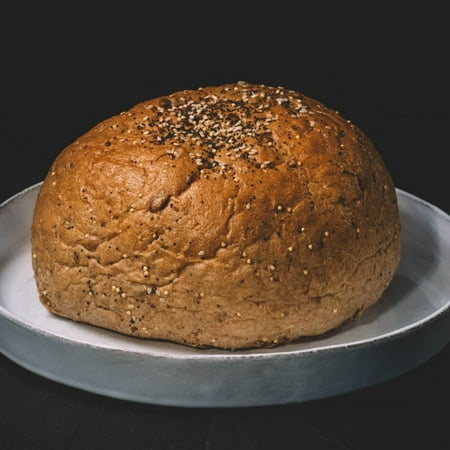
This bread is made with whole wheat flour and a variety of seeds, providing fiber, healthy fats, and essential nutrients. The use of honey as a natural sweetener and the absence of harmful additives contribute to its healthfulness. Despite being processed, the clean ingredient list and nutrient-dense components support a high score within its category.
Key ingredients 12
EggVery Good
Eggs are a source of high-quality protein and essential nutrients like choline and vitamin D. They contribute to the browning and texture of bread. Eggs are minimally processed and provide nutritional benefits.
Risks
Potential allergen for some individuals. Should be consumed in moderation due to cholesterol content.
Benefits
Rich in high-quality protein and essential nutrients. Contributes to browning and texture in baking.
Whole Wheat FlourGood
Whole wheat flour is a whole grain that retains all parts of the grain, providing fiber and essential nutrients. It is less processed than refined flour, maintaining more of its natural vitamins and minerals. This ingredient supports digestive health and provides sustained energy.
Benefits
Rich in dietary fiber, which aids in digestion and helps maintain stable blood sugar levels. Contains essential nutrients like B vitamins and iron.
HoneyGood
Honey is a natural sweetener with antioxidant properties. It is less processed than refined sugars and contains trace amounts of vitamins and minerals. Honey can provide a natural source of energy and sweetness.
Risks
Excessive consumption can contribute to high sugar intake, which may lead to health issues like obesity and diabetes.
Benefits
Contains antioxidants and has antibacterial properties. Provides a natural source of energy and sweetness.
MilletGood
Millet is a whole grain that is gluten-free and rich in nutrients. It provides dietary fiber, magnesium, and phosphorus. Millet supports heart health and aids in digestion.
Benefits
Rich in dietary fiber and essential minerals, supporting heart health and digestion. Gluten-free, making it suitable for those with gluten sensitivities.
Pumpkin SeedsGood
Pumpkin seeds are a nutrient-dense food rich in healthy fats, protein, and minerals like zinc and magnesium. They support heart health and provide anti-inflammatory benefits. Pumpkin seeds are a good source of plant-based protein.
Benefits
Rich in healthy fats, protein, and essential minerals. Supports heart health and provides anti-inflammatory benefits.
Sunflower SeedsGood
Sunflower seeds are a good source of healthy fats, protein, and vitamin E. They provide antioxidant benefits and support heart health. Sunflower seeds are minimally processed and retain their natural nutrients.
Benefits
Rich in healthy fats and vitamin E, providing antioxidant benefits. Supports heart health and provides plant-based protein.
Flax SeedsGood
Flax seeds are high in omega-3 fatty acids, fiber, and lignans. They support heart health and have anti-inflammatory properties. Flax seeds are a good source of plant-based omega-3s.
Benefits
Rich in omega-3 fatty acids and fiber, supporting heart health and digestion. Provides anti-inflammatory benefits.
Poppy SeedsGood
Beneficial ingredient — whole-food or functional value in this product class.
Benefits
Provides a nutty flavor and small amounts of nutrients like calcium and iron.
WaterNeutral
Water is a neutral ingredient used as a solvent and to provide moisture in bread. It is essential for the dough formation and baking process. Water itself does not contribute any nutritional value.
See more about Water →YeastNeutral
Yeast is a leavening agent that helps bread rise by producing carbon dioxide. It is a natural ingredient used in baking. Yeast itself does not contribute significant nutritional value.
Benefits
Essential for bread rising and texture. Provides a natural leavening effect.
EnzymesNeutral
Enzymes are used in bread making to improve dough handling and texture. They are naturally occurring proteins that aid in the breakdown of starches. Enzymes are generally considered safe and do not contribute significant nutritional value.
Benefits
Improves dough handling and texture. Aids in the breakdown of starches during baking.
VinegarNeutral
Vinegar is used in bread for flavor and as a natural preservative. It is a fermented product that can enhance the taste and shelf life of bread. Vinegar itself does not contribute significant nutritional value.
Benefits
Enhances flavor and acts as a natural preservative. Can improve the shelf life of bread.
Processing
Processed Foods
Get the full breakdown in the Scout appTake Scout shopping
Scan any product to see lab results, healthy alternatives, and your personalized analysis.
Download on theApp Store GET IT ONGoogle Play