
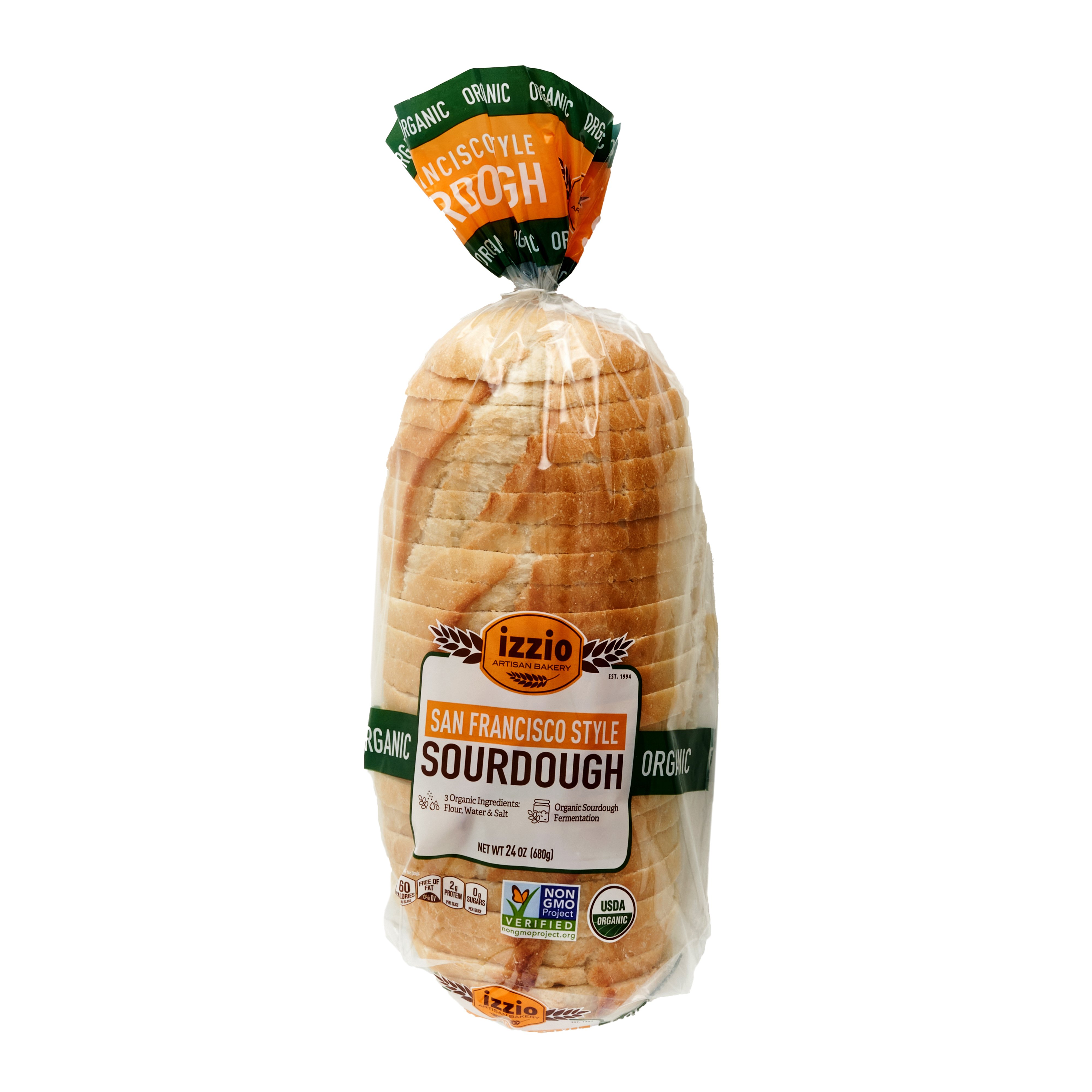


Organic Super Sour Sourdough
Analysis updated September 2026 · How Scout scores
At a glance
Summary
This organic sourdough bread features a clean ingredient list with organic wheat and rye flours, sea salt, and a beneficial sourdough culture, which supports gut health and nutrient absorption. The absence of harmful additives and the use of organic ingredients contribute positively to its health profile. However, as a processed food, its score is capped due to its processing level, despite the high quality of its ingredients.
Key ingredients 5
Organic sourdough cultureGood
Organic sourdough culture is beneficial for gut health due to its natural fermentation process. The fermentation enhances nutrient absorption and reduces phytic acid content. Being organic, it is free from synthetic pesticides and fertilizers.
Benefits
Promotes gut health and improves nutrient absorption due to natural fermentation. Organic certification ensures it is free from harmful chemicals.
Sea saltGood
Sea salt is a natural source of sodium and trace minerals. It is less processed than table salt and retains beneficial minerals. It enhances the flavor of the bread.
Risks
Excessive sodium intake can lead to high blood pressure and other cardiovascular issues.
Benefits
Provides essential sodium and trace minerals. Enhances flavor and is less processed than table salt.
Organic wheat flourNeutral
Standard formulation ingredient — neither beneficial nor harmful at typical use.
Risks
Potential allergen for individuals with wheat or gluten sensitivities.
Benefits
Provides essential carbohydrates and some protein. Organic farming practices support environmental sustainability.
WaterNeutral
Water is a neutral ingredient used as a solvent and to aid in the mixing of dough. It is essential for the hydration of flour and activation of yeast. It does not contribute any calories or nutrients.
Benefits
Essential for dough hydration and yeast activation. Does not contribute calories or nutrients.
EnzymesNeutral
Enzymes are used to improve dough texture and shelf life. They are naturally occurring proteins that catalyze biochemical reactions. Their use in bread is generally considered safe and beneficial for texture.
Benefits
Improve dough texture and shelf life. Considered safe and beneficial for bread quality.
Processing
Processed Foods
Get the full breakdown in the Scout appTake Scout shopping
Scan any product to see lab results, healthy alternatives, and your personalized analysis.
Download on theApp Store GET IT ONGoogle Play