
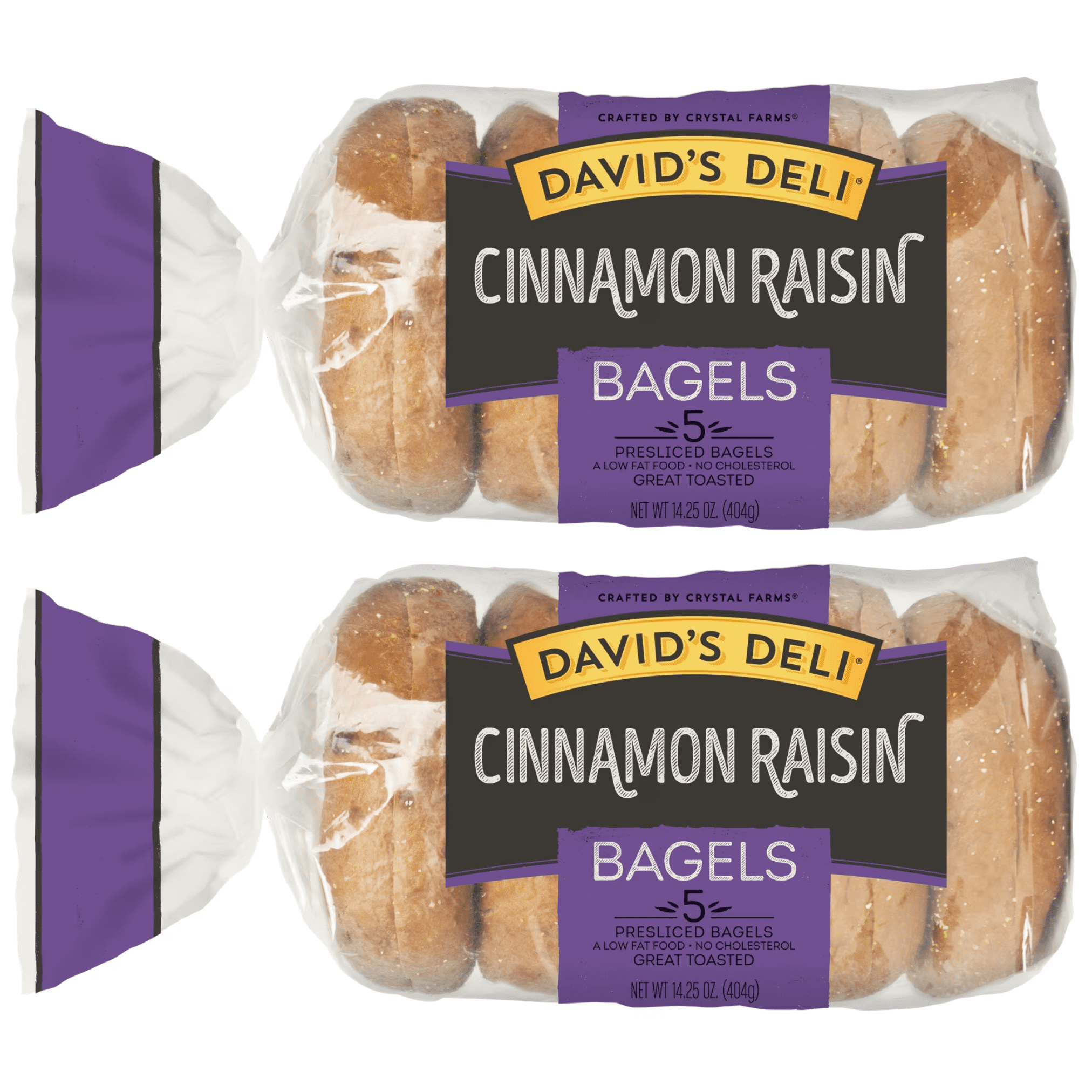



CINNAMON RAISIN BAGELS
Analysis updated September 2026 · How Scout scores
At a glance
Summary
The cinnamon raisin bagels are moderately processed, containing enriched high gluten flour and added sugar, which contribute to their processing level. While they include beneficial ingredients like raisins, yeast, and cinnamon, the presence of refined sugar and a preservative indicates a higher level of processing. The product's ingredient list is relatively clean, but the use of refined flour and sugar limits its healthfulness.
Key ingredients 12
RaisinsGood
Raisins are dried grapes that provide natural sweetness and fiber. They contain antioxidants and essential nutrients like potassium and iron. Raisins offer a healthier alternative to refined sugars in baked goods.
Risks
May contribute to sugar intake if consumed in large quantities.
Benefits
Rich in antioxidants and fiber, supporting digestive health and providing essential nutrients.
CinnamonGood
Cinnamon is a spice known for its antioxidant properties and potential health benefits. It can help regulate blood sugar levels and has anti-inflammatory effects. Cinnamon adds flavor and aroma to baked goods without adding calories.
Benefits
Provides antioxidants and may help regulate blood sugar levels.
Enriched high gluten flourNeutral
Enriched high gluten flour provides structure and protein to baked goods. It is fortified with vitamins and minerals like niacin and iron. However, it is a refined flour, which lacks the fiber and nutrients found in whole grains.
Risks
Refined flour can contribute to blood sugar spikes and lacks the fiber of whole grains.
Benefits
Provides essential vitamins and minerals due to enrichment, supporting nutritional intake.
WaterNeutral
Water is a fundamental ingredient in baking, providing moisture and aiding in the mixing process. It is essential for the activation of yeast and gluten development. Water itself has no nutritional value but is crucial for the texture of baked goods.
Benefits
Essential for hydration and the proper texture of baked goods.
YeastNeutral
Baker's/nutritional yeast in standard use — benign.
Benefits
Enhances texture and flavor while providing B vitamins and minerals.
SaltNeutral
Salt is used in baking to enhance flavor and control yeast activity. It is a necessary component for the taste and texture of baked goods. While essential in small amounts, excessive salt intake can lead to health issues.
Risks
Excessive consumption can lead to high blood pressure and cardiovascular issues.
Benefits
Enhances flavor and is essential for proper dough development.
Calcium propionateNeutral
Calcium propionate is a preservative used to extend the shelf life of baked goods by inhibiting mold growth. It is generally recognized as safe when used in regulated amounts. While it prevents spoilage, it does not contribute nutritional benefits.
Benefits
Prevents mold growth, extending the shelf life of baked goods.
Mono-diglyceridesNeutral
Mono-diglycerides are emulsifiers that help improve texture and extend shelf life in baked goods. They are derived from fats and are commonly used in processed foods. While they aid in texture, they do not provide nutritional benefits.
Benefits
Improves texture and extends shelf life of baked goods.
MaltNeutral
Malt is used in baking to enhance flavor and color. It is derived from grains and can add a subtle sweetness to baked goods. While it contributes to flavor, it is not a significant source of nutrients.
Benefits
Enhances flavor and color in baked goods.
EnzymeNeutral
Enzymes are used in baking to improve dough handling and texture. They are proteins that catalyze biochemical reactions, enhancing the quality of baked goods. Enzymes are naturally occurring and generally safe in food applications.
Benefits
Improves dough handling and texture in baked goods.
CornmealNeutral
Cornmeal is used in baking for texture and flavor. It is a whole grain product that can add fiber and nutrients to baked goods. While it provides texture, it is not a primary ingredient in this product.
Benefits
Adds texture and provides some fiber and nutrients.
SugarBad
Sugar is a refined carbohydrate that provides sweetness and enhances flavor. It can contribute to energy spikes and dental issues when consumed in excess. Refined sugar lacks nutritional benefits and can lead to health issues if overconsumed.
Risks
Excessive consumption can lead to obesity, diabetes, and dental problems.
Benefits
Provides quick energy and enhances the flavor profile of baked goods.
Processing
Processed Foods
Get the full breakdown in the Scout appTake Scout shopping
Scan any product to see lab results, healthy alternatives, and your personalized analysis.
Download on theApp Store GET IT ONGoogle Play