
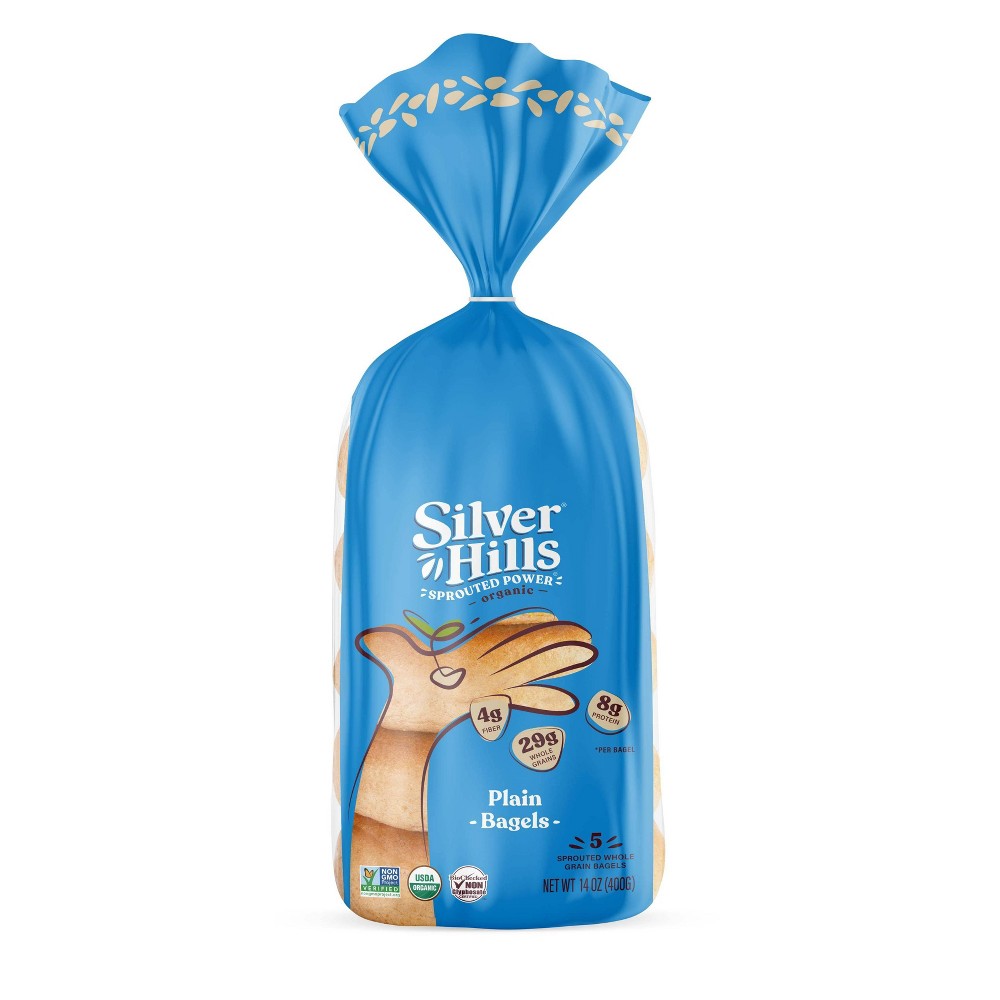


At a glance
Summary
This product features organic sprouted whole wheat flour, which is a high-quality ingredient that enhances nutrient absorption. However, the presence of organic cane sugar and organic sunflower oil, a seed oil high in omega-6 fatty acids, detracts from its healthiness. The product is moderately processed, which limits its score despite the use of organic ingredients.
Key ingredients 10
Organic sprouted whole wheat flourGood
Organic sprouted whole wheat flour is a high-quality ingredient rich in fiber and nutrients. Sprouting enhances nutrient absorption and reduces antinutrients. Being organic, it is free from synthetic pesticides and fertilizers.
Risks
May cause allergic reactions in individuals with wheat allergies or gluten intolerance.
Benefits
Rich in dietary fiber, vitamins, and minerals, supporting digestive health and providing sustained energy.
Sea saltGood
Sea salt is a minimally processed salt that retains trace minerals. It enhances flavor and provides essential sodium. It is considered a healthier alternative to refined table salt.
Risks
Excessive sodium intake can lead to hypertension and cardiovascular issues.
Benefits
Provides essential sodium and trace minerals, supporting electrolyte balance.
WaterNeutral
Water is a neutral ingredient used as a solvent and to provide moisture. It does not contribute any nutritional value or health risks. It is essential for the dough formation in baking.
See more about Water →Organic wheat flourNeutral
Organic wheat flour is a staple ingredient providing carbohydrates and some protein. Being organic, it is free from synthetic pesticides and fertilizers. It is less nutrient-dense compared to whole wheat flour.
Risks
May cause allergic reactions in individuals with wheat allergies or gluten intolerance.
Benefits
Provides carbohydrates for energy and some protein, supporting basic nutritional needs.
Organic vital wheat glutenNeutral
Organic vital wheat gluten is used to improve dough elasticity and texture. It is a concentrated source of gluten protein. Being organic, it is free from synthetic additives.
Risks
Can cause adverse reactions in individuals with gluten intolerance or celiac disease.
Benefits
Enhances the texture and protein content of baked goods.
Organic corn mealNeutral
Organic corn meal is a coarse flour made from dried corn, providing texture and flavor. It is a source of carbohydrates and some fiber. Being organic, it is free from synthetic pesticides.
Risks
May cause allergic reactions in individuals sensitive to corn.
Benefits
Provides carbohydrates and some fiber, contributing to energy and digestive health.
YeastNeutral
Yeast is a microorganism used in baking to ferment and leaven dough. It contributes to the texture and flavor of baked goods. It is a natural ingredient with no significant health concerns.
Benefits
Contributes to the leavening and flavor development in baked products.
Cultured wheat flourNeutral
Cultured wheat flour is treated with bacterial cultures to enhance flavor and shelf life. It is a natural preservative method. It does not significantly alter the nutritional profile of the flour.
Risks
May cause allergic reactions in individuals with wheat allergies or gluten intolerance.
Benefits
Helps improve shelf life and flavor without synthetic additives.
Organic cane sugarBad
Organic cane sugar is a refined sugar that contributes to sweetness but offers little nutritional value. Despite being organic, it can contribute to increased blood sugar levels. Excessive consumption is linked to various health issues.
Risks
High consumption may lead to obesity, diabetes, and dental issues.
Benefits
Provides quick energy but should be consumed in moderation.
Organic sunflower oilVery Bad
Organic sunflower oil is a seed oil high in omega-6 fatty acids, which can promote inflammation if consumed in excess. Despite being organic, it is still considered a less healthy fat due to its processing and fatty acid profile.
Risks
High omega-6 content may promote inflammation when consumed in excess.
Processing
Processed Foods
Get the full breakdown in the Scout appTake Scout shopping
Scan any product to see lab results, healthy alternatives, and your personalized analysis.
Download on theApp Store GET IT ONGoogle Play