

At a glance
Summary
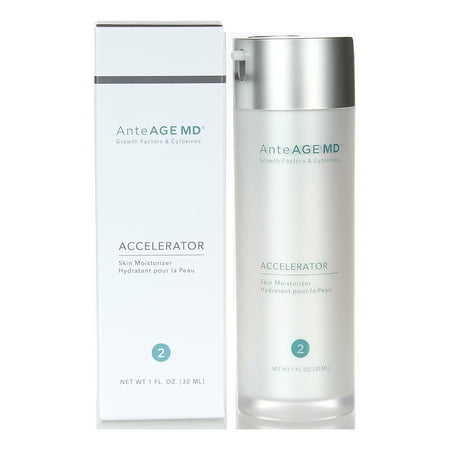
This product contains a mix of beneficial ingredients such as jojoba seed oil, sodium hyaluronate, and bakuchiol, which are known for their skin-nourishing properties. However, the presence of phenoxyethanol and synthetic preservatives like ethylhexylglycerin, along with a moderate level of processing, slightly lowers its overall safety profile. The ingredient list is relatively long, which can indicate a higher level of processing compared to more minimal formulations.
Key ingredients 37
Tetrahexyldecyl AscorbateVery Good
Tetrahexyldecyl Ascorbate is a stable form of Vitamin C used for its antioxidant properties. It helps brighten the skin and reduce signs of aging. It is well-tolerated and effective.
Risks
There are no significant risks associated with this ingredient.
Benefits
It provides antioxidant protection and improves skin radiance.
BakuchiolVery Good
Bakuchiol is a plant-based alternative to retinol with similar anti-aging benefits. It helps improve skin texture and reduce fine lines without irritation. It is suitable for sensitive skin.
Risks
There are no significant risks associated with bakuchiol.
Benefits
It offers anti-aging benefits with reduced risk of irritation compared to retinol.
PanthenolVery Good
Panthenol is a form of Vitamin B5 known for its moisturizing and soothing properties. It helps to improve skin hydration and reduce irritation. It is widely used and well-tolerated.
Risks
There are no significant risks associated with panthenol.
Benefits
It enhances skin hydration and soothes irritation.
Simmondsia Chinensis (Jojoba) Seed OilVery Good
Jojoba Seed Oil is a natural emollient known for its moisturizing and skin-conditioning properties. It helps to balance oil production and improve skin texture. It is well-tolerated and beneficial for all skin types.
Risks
There are no significant risks associated with jojoba oil.
Benefits
It provides lightweight hydration and improves skin texture.
GlycerinGood
Glycerin is a powerful humectant that attracts moisture to the skin. It is widely used in skincare for its hydrating properties. It is safe and beneficial for most skin types.
Risks
There are no significant risks associated with glycerin.
Benefits
It helps maintain skin hydration and improves skin barrier function.
Caprylic/Capric TriglycerideGood
Caprylic/Capric Triglyceride is an emollient derived from coconut oil and glycerin. It helps to moisturize and condition the skin. It is well-tolerated and non-irritating.
Risks
There are no significant risks associated with this ingredient.
Benefits
It provides lightweight hydration and improves the texture of the skin.
Human Bone Marrow Stem Cell Conditioned MediaGood
This ingredient is used for its potential regenerative and anti-aging properties. It is believed to support skin repair and rejuvenation. It is considered innovative in skincare.
Risks
There is limited research on long-term effects, but it is generally considered safe.
Benefits
It may enhance skin regeneration and reduce signs of aging.
Tocopheryl AcetateGood
Tocopheryl Acetate is a form of Vitamin E used for its antioxidant properties. It helps protect the skin from environmental damage. It is widely used and considered safe.
Risks
There are no significant risks associated with this ingredient.
Benefits
It provides antioxidant protection and supports skin health.
Ethyl LinoleateGood
Ethyl Linoleate is an ester of linoleic acid used for its moisturizing properties. It helps to improve skin barrier function and hydration. It is considered beneficial for dry skin.
Risks
There are no significant risks associated with this ingredient.
Benefits
It enhances skin hydration and supports barrier function.
Iris Florentina Root ExtractGood
Iris Florentina Root Extract is used for its soothing and anti-inflammatory properties. It helps to calm and condition the skin. It is considered safe and beneficial.
Risks
There are no significant risks associated with this ingredient.
Benefits
It provides soothing benefits and supports skin health.
Sodium HyaluronateGood
Sodium Hyaluronate is a form of hyaluronic acid known for its excellent hydrating properties. It helps to retain moisture and plump the skin. It is highly effective and well-tolerated.
Risks
There are no significant risks associated with this ingredient.
Benefits
It provides deep hydration and improves skin elasticity.
Candelilla/Jojoba/Rice Bran Polyglyceryl-3 EstersGood
This ingredient is used as an emulsifier and emollient in cosmetics. It helps to stabilize formulations and improve texture. It is derived from natural sources and is considered safe.
Risks
There are no significant risks associated with this ingredient.
Benefits
It provides a smooth application and enhances product stability.
Tremella Fuciformis Sporocarp ExtractGood
Tremella Fuciformis Sporocarp Extract is known for its hydrating and antioxidant properties. It helps to retain moisture and protect the skin from environmental damage. It is considered beneficial for skin health.
Risks
There are no significant risks associated with this ingredient.
Benefits
It provides hydration and antioxidant protection.
BetaineGood
Betaine is a natural osmolyte that helps to maintain skin hydration and protect against irritation. It is derived from sugar beet and is well-tolerated. It is considered beneficial for sensitive skin.
Risks
There are no significant risks associated with betaine.
Benefits
It enhances skin hydration and soothes irritation.
GlycosphingolipidsGood
Glycosphingolipids are used for their moisturizing and barrier-repair properties. They help to improve skin hydration and protect against environmental damage. They are considered beneficial for skin health.
Risks
There are no significant risks associated with this ingredient.
Benefits
They enhance skin hydration and support barrier function.
Tasmannia Lanceolata Fruit ExtractGood
Tasmannia Lanceolata Fruit Extract is used for its antioxidant and anti-inflammatory properties. It helps to soothe and protect the skin from environmental stressors. It is considered beneficial for sensitive skin.
Risks
There are no significant risks associated with this ingredient.
Benefits
It provides antioxidant protection and soothes irritation.
Syzygium Luehmannii Fruit ExtractGood
Syzygium Luehmannii Fruit Extract is known for its antioxidant properties. It helps to protect the skin from environmental damage and improve skin health. It is considered beneficial for its protective effects.
Risks
There are no significant risks associated with this ingredient.
Benefits
It provides antioxidant protection and supports skin health.
Kunzea Pomifera Fruit ExtractGood
Kunzea Pomifera Fruit Extract is used for its antioxidant and anti-inflammatory properties. It helps to protect the skin from environmental stressors and soothe irritation. It is considered beneficial for sensitive skin.
Risks
There are no significant risks associated with this ingredient.
Benefits
It provides antioxidant protection and soothes irritation.
Thioctic AcidGood
Thioctic Acid, also known as Alpha Lipoic Acid, is used for its antioxidant properties. It helps to protect the skin from environmental damage and improve skin texture. It is considered beneficial for anti-aging.
Risks
There are no significant risks associated with this ingredient.
Benefits
It provides antioxidant protection and supports skin health.
UbiquinoneGood
Ubiquinone, also known as Coenzyme Q10, is used for its antioxidant properties. It helps to protect the skin from oxidative stress and improve skin elasticity. It is considered beneficial for anti-aging.
Risks
There are no significant risks associated with this ingredient.
Benefits
It provides antioxidant protection and supports skin health.
WaterNeutral
Water is a common solvent used in cosmetic formulations. It helps dissolve other ingredients and provides a base for the product. It does not have any direct benefits or risks.
Risks
There are no significant risks associated with water in cosmetics.
Benefits
Water helps in the application and absorption of the product.
Butylene GlycolNeutral
Butylene Glycol is a common humectant that helps retain moisture in the skin. It also acts as a solvent for other ingredients. It is generally considered safe for use in cosmetics.
Risks
In rare cases, it can cause irritation or allergic reactions in sensitive individuals.
Benefits
It helps to keep the skin hydrated and enhances the texture of the product.
Hydroxypropyl Starch PhosphateNeutral
Hydroxypropyl Starch Phosphate is used as a thickening agent in cosmetics. It helps improve the texture and stability of the product. It is derived from natural starch and is considered safe.
Risks
There are minimal risks associated with this ingredient.
Benefits
It enhances the consistency and feel of the product on the skin.
C12-15 Alkyl BenzoateNeutral
C12-15 Alkyl Benzoate is an emollient that helps improve the texture and spreadability of the product. It is commonly used in cosmetics for its lightweight feel. It is considered safe for use.
Risks
There are minimal risks associated with this ingredient.
Benefits
It provides a smooth application and enhances the sensory experience of the product.
Cetearyl AlcoholNeutral
Cetearyl Alcohol is a fatty alcohol used as an emollient and thickener in cosmetics. It helps to stabilize and thicken formulations. It is generally considered safe and non-irritating.
Risks
There are minimal risks associated with this ingredient.
Benefits
It enhances the texture and stability of the product.
Pentylene GlycolNeutral
Pentylene Glycol is a humectant and solvent used to enhance the texture of cosmetics. It helps to retain moisture and improve product stability. It is generally considered safe.
Risks
There are minimal risks associated with this ingredient.
Benefits
It helps maintain skin hydration and improves product texture.
Tamarindus Indica Seed GumNeutral
Tamarindus Indica Seed Gum is used as a thickening and stabilizing agent in cosmetics. It helps improve the texture and consistency of the product. It is derived from natural sources and is considered safe.
Risks
There are minimal risks associated with this ingredient.
Benefits
It enhances the texture and stability of the product.
Citric AcidNeutral
Citric Acid is used to adjust the pH of cosmetic formulations. It can also provide mild exfoliation benefits. It is generally considered safe in low concentrations.
Risks
In high concentrations, it can cause irritation.
Benefits
It helps maintain the stability and effectiveness of the product.
Glyceryl StearateNeutral
Glyceryl Stearate is an emulsifier used to stabilize and thicken cosmetic formulations. It helps to improve the texture and consistency of the product. It is generally considered safe.
Risks
There are minimal risks associated with this ingredient.
Benefits
It enhances the texture and stability of the product.
Magnesium Aluminum SilicateNeutral
Magnesium Aluminum Silicate is used as a thickening and stabilizing agent in cosmetics. It helps to improve the texture and consistency of the product. It is generally considered safe.
Risks
There are minimal risks associated with this ingredient.
Benefits
It enhances the texture and stability of the product.
Xanthan GumNeutral
Xanthan Gum is used as a thickening and stabilizing agent in cosmetics. It helps to improve the texture and consistency of the product. It is derived from natural sources and is considered safe.
Risks
There are minimal risks associated with this ingredient.
Benefits
It enhances the texture and stability of the product.
Caprylyl GlycolNeutral
Caprylyl Glycol is used as a humectant and preservative booster in cosmetics. It helps to retain moisture and enhance the effectiveness of preservatives. It is generally considered safe.
Risks
There are minimal risks associated with this ingredient.
Benefits
It helps maintain skin hydration and improves product stability.
EthylhexylglycerinNeutral
Ethylhexylglycerin is used as a preservative and skin-conditioning agent in cosmetics. It helps to enhance the effectiveness of other preservatives. It is generally considered safe.
Risks
There are minimal risks associated with this ingredient.
Benefits
It helps maintain the safety and stability of the product.
Hexylene GlycolNeutral
Hexylene Glycol is used as a solvent and viscosity agent in cosmetics. It helps to improve the texture and spreadability of the product. It is generally considered safe.
Risks
There are minimal risks associated with this ingredient.
Benefits
It enhances the texture and application of the product.
Sodium Stearoyl LactylateBad
Processed additive flagged under Scout's ingredient doctrine.
Risks
There are minimal risks associated with this ingredient.
Benefits
It enhances the texture and stability of the product.
Potassium SorbateBad
Synthetic preservative — flagged in daily-use products.
Risks
In rare cases, it can cause irritation or allergic reactions.
Benefits
It helps maintain the safety and stability of the product.
PhenoxyethanolBad
Phenoxyethanol is a preservative used to prevent microbial growth in cosmetics. It is effective but can cause irritation in some individuals. It is considered a moderate risk ingredient.
Risks
It can cause irritation or allergic reactions in sensitive individuals.
Benefits
It helps maintain the safety and stability of the product.
Get the full breakdown in the Scout appTake Scout shopping
Scan any product to see lab results, healthy alternatives, and your personalized analysis.
Download on theApp Store GET IT ONGoogle Play