


At a glance
Summary
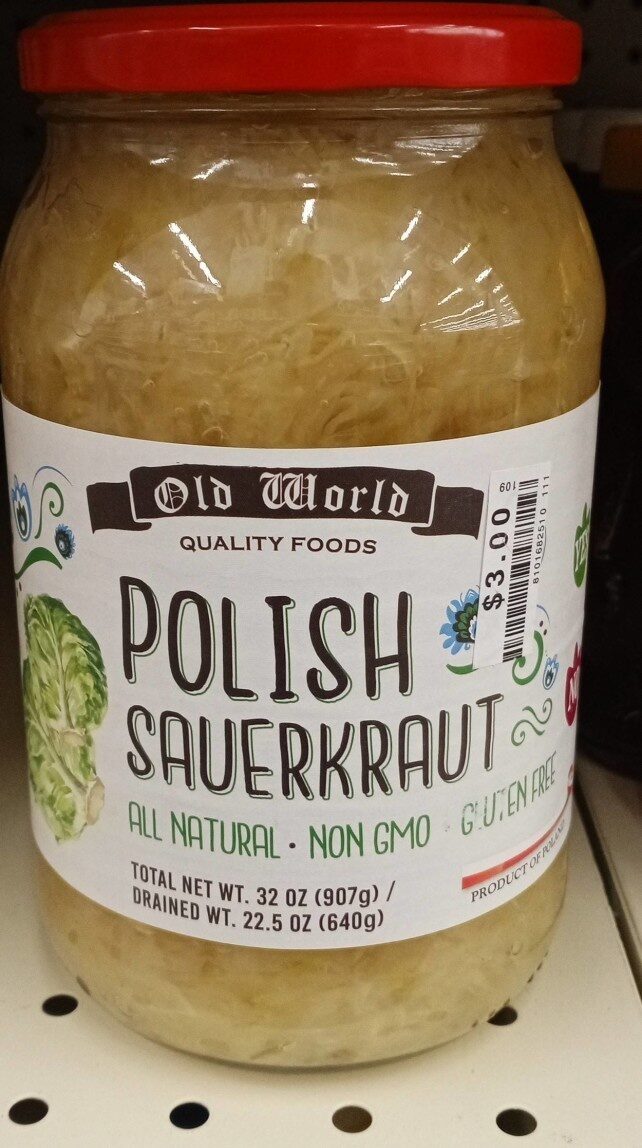
This Polish sauerkraut is made from nutrient-rich ingredients like green cabbage, carrots, and various spices, which contribute to its health benefits and flavor. The product is processed, but it avoids harmful additives and seed oils, maintaining a clean ingredient list. The presence of beneficial ingredients such as caraway seeds and cumin enhances its nutritional profile, making it a healthy choice within its category.
Key ingredients 16
Shredded Green CabbageVery Good
Green cabbage is a nutrient-dense vegetable rich in vitamins C and K. It is a good source of fiber, which supports digestive health. Fermentation enhances its probiotic content, promoting gut health.
Benefits
Rich in vitamins and fiber, supporting overall health and digestion. Fermentation adds probiotics, beneficial for gut health.
Shredded CarrotsGood
Carrots are a good source of beta-carotene, which the body converts into vitamin A. They provide antioxidants that help protect against free radical damage. Their natural sweetness can enhance the flavor profile of dishes.
Benefits
Provides beta-carotene and antioxidants, supporting eye health and immune function.
Caraway SeedGood
Caraway seeds are known for their digestive benefits and unique flavor. They contain essential oils that may aid in digestion and reduce bloating. Their aromatic properties enhance the taste of fermented foods.
Benefits
May aid digestion and reduce bloating due to its essential oils.
ButterGood
Butter is a source of saturated fats and fat-soluble vitamins like A, D, and E. It can enhance the flavor and texture of dishes. When sourced from grass-fed cows, it contains beneficial omega-3 fatty acids.
Risks
High in saturated fats, which should be consumed in moderation to avoid cardiovascular risks.
Benefits
Provides fat-soluble vitamins and can contain beneficial omega-3s if grass-fed.
Bay LeavesGood
Bay leaves are used for their aromatic properties and potential digestive benefits. They contain compounds that may aid digestion and reduce inflammation. Their flavor enhances the complexity of dishes.
Benefits
May aid digestion and reduce inflammation due to its aromatic compounds.
CuminGood
Cumin is a spice known for its digestive benefits and rich flavor. It contains antioxidants and may help improve digestion and nutrient absorption. Its distinct taste adds depth to culinary dishes.
Benefits
Contains antioxidants and may improve digestion and nutrient absorption.
Black PeppercornsGood
Black peppercorns are a common spice that enhances flavor and may improve nutrient absorption. They contain piperine, which can increase the bioavailability of certain nutrients. Their pungent taste adds a spicy note to dishes.
Benefits
May improve nutrient absorption due to piperine content.
Allspice BerriesGood
Allspice berries provide a unique blend of flavors reminiscent of cinnamon, nutmeg, and cloves. They contain eugenol, which has anti-inflammatory properties. Their aromatic profile enhances the complexity of dishes.
Benefits
Contains eugenol, which may have anti-inflammatory properties.
OnionGood
Onions are a flavorful vegetable rich in antioxidants and sulfur compounds. They may support heart health and have anti-inflammatory effects. Their natural sweetness and pungency enhance the flavor of dishes.
Benefits
Rich in antioxidants and sulfur compounds, supporting heart health and reducing inflammation.
LeekGood
Leeks are a mild-flavored vegetable related to onions and garlic. They are a good source of vitamins A, C, and K, and contain antioxidants. Their subtle flavor complements a variety of dishes.
Benefits
Provides vitamins and antioxidants, supporting overall health.
CarrotGood
Carrots are a good source of beta-carotene, which the body converts into vitamin A. They provide antioxidants that help protect against free radical damage. Their natural sweetness can enhance the flavor profile of dishes.
Benefits
Provides beta-carotene and antioxidants, supporting eye health and immune function.
ParsnipGood
Parsnips are a root vegetable rich in fiber and vitamins C and K. They provide antioxidants and have a sweet, nutty flavor. Their fiber content supports digestive health.
Benefits
Rich in fiber and vitamins, supporting digestion and overall health.
PotatoesGood
Beneficial ingredient — whole-food or functional value in this product class.
Risks
High glycemic index may affect blood sugar levels if consumed in excess.
Benefits
Provides carbohydrates and some vitamins and minerals, offering energy and nutrition.
Canning or Pickling SaltNeutral
Canning or pickling salt is used to preserve and flavor foods. It is pure sodium chloride without additives, making it suitable for fermentation. It does not provide additional minerals like unrefined salts.
Risks
Excessive sodium intake can lead to high blood pressure and cardiovascular issues.
WaterNeutral
Water is used as a solvent and medium for fermentation. It is essential for the fermentation process but does not contribute nutrients. Its quality can affect the final product's safety and taste.
See more about Water →SaltNeutral
Salt is used to enhance flavor and preserve food. It is a common ingredient in fermentation, helping to control microbial growth. It does not provide additional health benefits beyond its preservative role.
Risks
Excessive sodium intake can lead to high blood pressure and cardiovascular issues.
Processing
Processed Foods
Get the full breakdown in the Scout appTake Scout shopping
Scan any product to see lab results, healthy alternatives, and your personalized analysis.
Download on theApp Store GET IT ONGoogle Play