
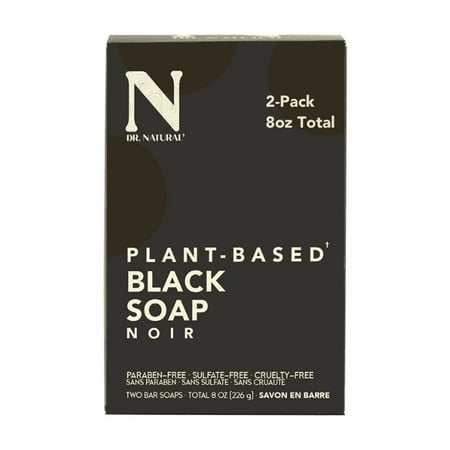


Dr. Natural - Bar Soap Black 2pk - 8oz
Analysis updated August 2026 · How Scout scores
At a glance
Summary
This bar soap contains a blend of natural oils and butters, such as almond oil, coconut oil, shea butter, and olive oil, which are known for their moisturizing and nourishing properties. The inclusion of Vitamin E and rosemary extract adds antioxidant benefits, enhancing skin health. The product is processed but maintains a clean ingredient list without harmful chemicals, making it a safe choice for skincare.
Key ingredients 12
Prunus Amygdalus Dulcis (Almond) OilVery Good
Almond oil is a natural emollient rich in vitamins and fatty acids. It is known for its ability to soften and nourish the skin. It is suitable for all skin types, including sensitive skin.
Risks
Rare risk of allergic reaction in individuals with nut allergies.
Benefits
Deeply nourishes and moisturizes the skin, improving texture.
Cocos Nucifera (Coconut) OilVery Good
Coconut oil is a natural moisturizer with antibacterial properties. It is rich in fatty acids that nourish and protect the skin. It is widely used for its hydrating and soothing effects.
Risks
May cause breakouts in acne-prone skin if used excessively.
Benefits
Provides deep hydration and has antimicrobial benefits.
Butyrospermum Parkii (Shea) ButterVery Good
Shea butter is a natural fat extracted from the nuts of the shea tree. It is known for its moisturizing and anti-inflammatory properties. It helps to soothe and protect the skin.
Risks
Generally safe with low risk of irritation.
Benefits
Deeply moisturizes and soothes dry, irritated skin.
Olea Europaea Fruit (Olive) OilVery Good
Olive oil is a natural emollient rich in antioxidants and vitamins. It is used for its moisturizing and nourishing properties. It helps to improve skin elasticity and softness.
Risks
May cause minor irritation in sensitive individuals.
Benefits
Nourishes and hydrates the skin, enhancing its natural barrier.
GlycerinGood
Glycerin is a humectant that attracts moisture to the skin. It is widely used in skincare for its hydrating properties. It helps to maintain skin's moisture balance.
Risks
Generally considered safe with minimal risk of irritation.
Benefits
Provides excellent moisturizing benefits, keeping skin hydrated.
Tocopheryl Acetate (Vitamin E)Good
Vitamin E is a powerful antioxidant that protects the skin from free radicals. It is used to enhance skin health and appearance. It also helps to improve skin texture and moisture retention.
Risks
Rare risk of allergic reaction in sensitive individuals.
Benefits
Protects and nourishes the skin, promoting a healthy complexion.
Rosmarinus Officinalis (Rosemary) Leaf ExtractGood
Rosemary extract is a natural antioxidant with antimicrobial properties. It is used to preserve the product and enhance skin health. It also provides a refreshing scent.
Risks
May cause irritation in sensitive skin types.
Benefits
Offers antioxidant protection and helps to preserve the product.
Sodium PalmateNeutral
Sodium Palmate is a common soap base derived from palm oil. It is used for its cleansing properties. While it is effective in removing dirt and oils, it can be drying to the skin.
Risks
May cause dryness or irritation for sensitive skin types.
Benefits
Provides effective cleansing and lathering properties.
Sodium Palm KernelateNeutral
Sodium Palm Kernelate is a surfactant derived from palm kernel oil. It is used to enhance the cleansing ability of soaps. It can be drying if used in high concentrations.
Risks
Potential to dry out skin with frequent use.
Benefits
Contributes to the soap's ability to cleanse and produce lather.
AquaNeutral
Aqua, or water, is a universal solvent used in cosmetics. It acts as a base for the formulation. It is essential for dissolving other ingredients.
Benefits
Helps to dissolve and distribute other ingredients evenly.
Sodium ChlorideNeutral
Sodium Chloride, or salt, is used to thicken the soap and enhance its texture. It is a common ingredient in many personal care products. It can also help to cleanse the skin.
Risks
Excessive use may lead to dryness.
Benefits
Improves the texture and consistency of the soap.
CaramelBad
Processed additive flagged under Scout's ingredient doctrine.
Benefits
Adds natural color to the product without synthetic dyes.
Processing
Unprocessed or Minimally Processed Foods
Get the full breakdown in the Scout appTake Scout shopping
Scan any product to see lab results, healthy alternatives, and your personalized analysis.
Download on theApp Store GET IT ONGoogle PlayAmazon pricing & content
Amazon price as of . Product prices and availability are accurate as of the date/time indicated and are subject to change. Any price and availability information displayed on Amazon.com at the time of purchase will apply to the purchase of this product.
CERTAIN CONTENT THAT APPEARS ON THIS SITE COMES FROM AMAZON. THIS CONTENT IS PROVIDED “AS IS” AND IS SUBJECT TO CHANGE OR REMOVAL AT ANY TIME.