


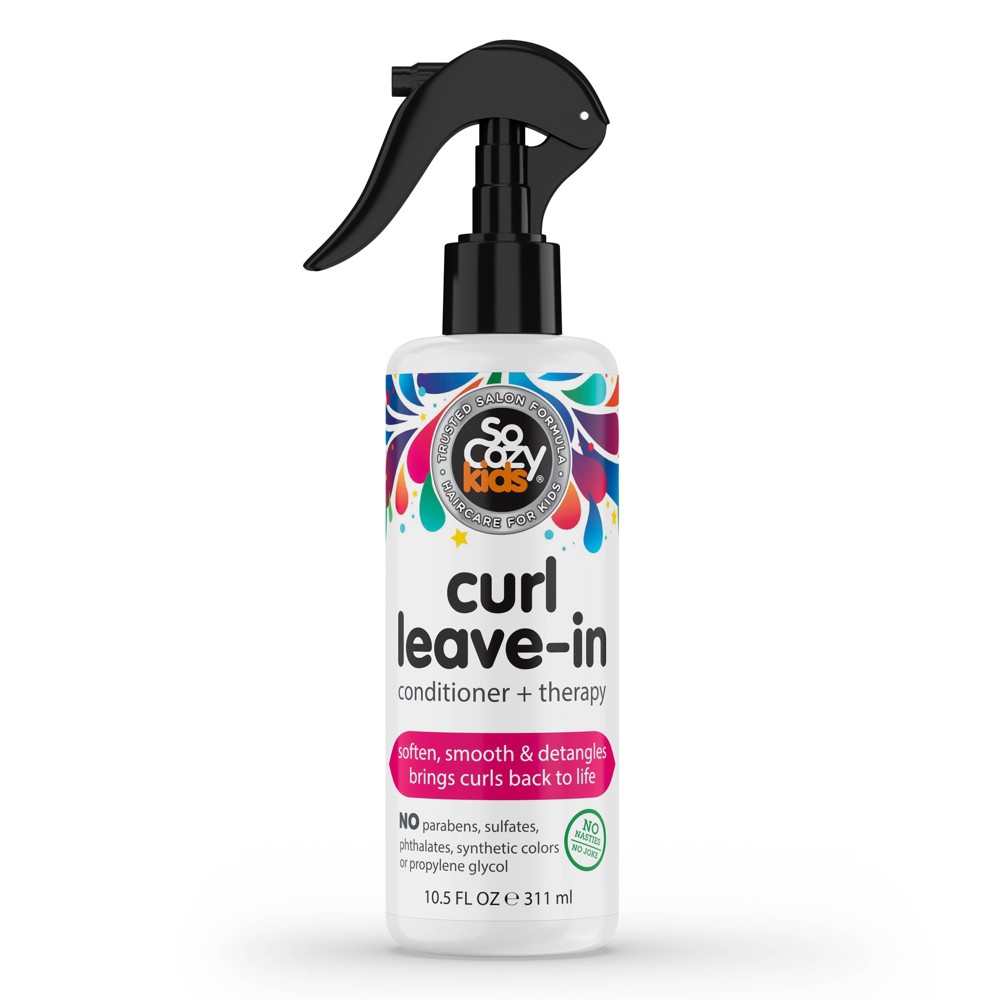
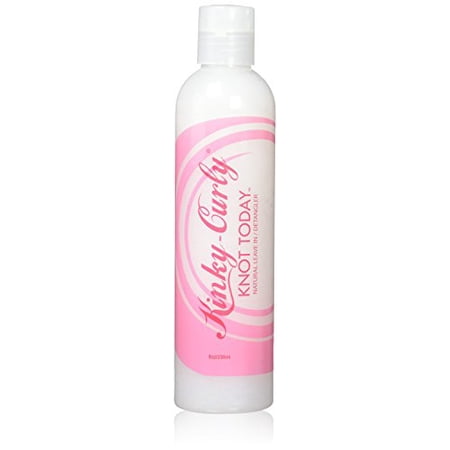
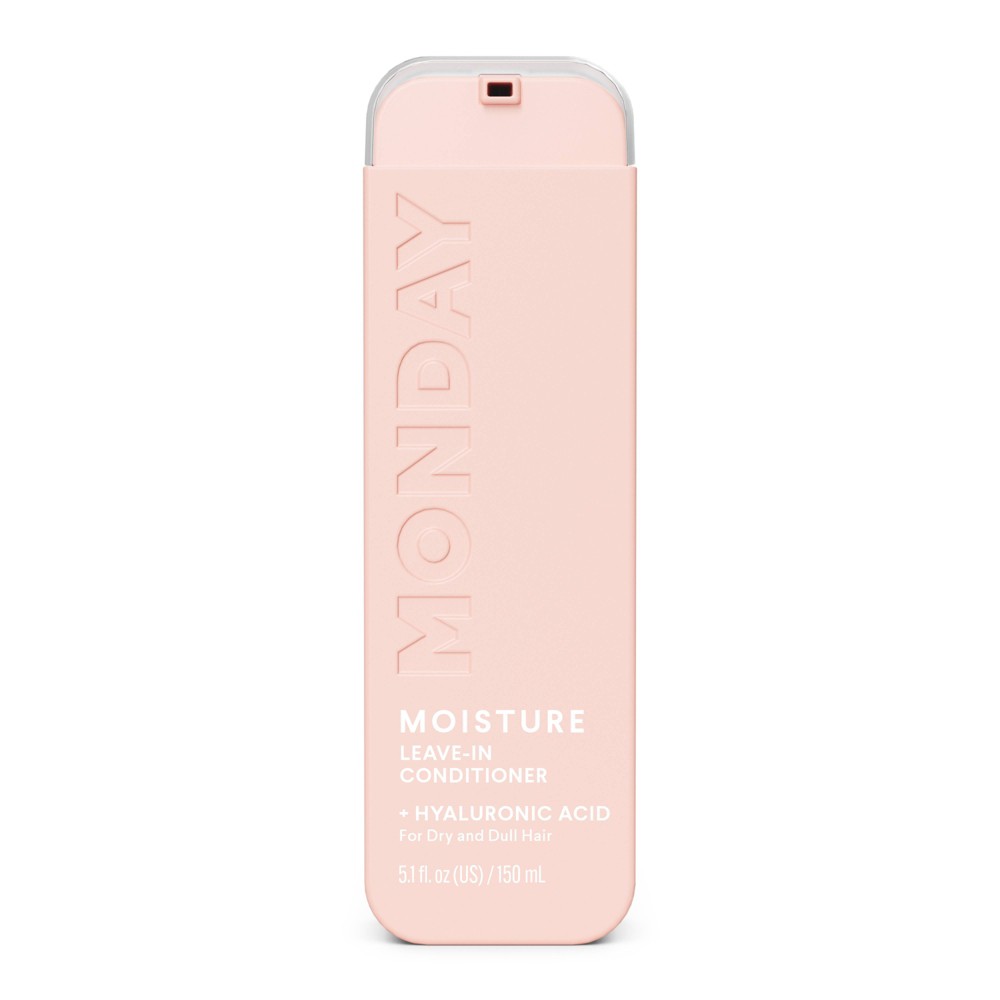
Twisted Sista Twisted Sista Leave-In Conditioner 12 oz
Summary
This leave-in conditioner contains some beneficial ingredients like coconut oil and shea butter, which are known for their moisturizing properties. However, it also includes synthetic fragrance and non-water-soluble silicones, which can build up on hair and potentially cause irritation. The presence of these additives and the processing level of the product contribute to a moderate score.
At a glance
Key ingredients 7
Water
Water is the primary solvent in many cosmetic products, providing a base for other ingredients. It helps to dissolve other substances and facilitates their application. In conditioners, it aids in spreading the product evenly through the hair.
Risks
There are generally no risks associated with water in cosmetic formulations.
Benefits
Water hydrates the hair and helps distribute other beneficial ingredients effectively.
Glycerin
Glycerin is a humectant that attracts moisture from the environment into the hair. It helps to maintain hydration levels, making hair feel softer and more manageable. It is commonly used in conditioners for its moisturizing properties.
Risks
In very dry climates, glycerin can draw moisture out of the hair, potentially leading to dryness.
Benefits
Glycerin helps to keep hair hydrated and can improve the texture and appearance of hair.
Amodimethicone
Amodimethicone is a silicone-based compound used to provide smoothness and shine to hair. It forms a protective barrier on the hair shaft, reducing frizz and improving manageability. However, it is not water-soluble and can lead to buildup over time.
Risks
Amodimethicone can cause buildup on the hair, leading to dullness and potential brittleness if not properly removed.
Benefits
It enhances shine and smoothness, making hair easier to style and reducing frizz.
Cetyl Alcohol
Cetyl Alcohol is a fatty alcohol used as an emulsifier and thickener in conditioners. It helps to stabilize formulations and provides a creamy texture. It is considered gentle and beneficial for hair conditioning.
Risks
There are minimal risks associated with cetyl alcohol, as it is generally well-tolerated.
Benefits
Cetyl Alcohol conditions and softens the hair, improving its texture and manageability.
Stearyl Alcohol
Stearyl Alcohol is a fatty alcohol that acts as an emulsifier and thickener in hair care products. It helps to create a rich, creamy texture and stabilizes the formulation. It is known for its conditioning properties.
Risks
Stearyl Alcohol is generally safe, with low risk of irritation.
Benefits
It provides conditioning benefits, leaving hair feeling soft and smooth.
Coconut Oil
Coconut Oil is a natural oil known for its deep conditioning properties. It penetrates the hair shaft, providing moisture and reducing protein loss. It is highly valued for its ability to improve hair health and appearance.
Risks
Overuse of coconut oil can lead to greasy hair and buildup if not washed out properly.
Benefits
Coconut Oil deeply conditions and strengthens hair, enhancing shine and reducing breakage.
Sweet Almond Oil
Sweet Almond Oil is a lightweight oil that provides moisture and nourishment to the hair. It is rich in vitamins and fatty acids, which help to improve hair health and elasticity. It is often used in conditioners for its softening and smoothing effects.
Risks
There are minimal risks associated with sweet almond oil, though it may cause allergic reactions in individuals with nut allergies.
Benefits
Sweet Almond Oil nourishes and softens hair, improving its texture and shine.
Processing
Processed Foods
Get the full breakdown in the Scout app
Scan any product to see lab results, healthy alternatives, and your personalized analysis.
Download on theApp Store