
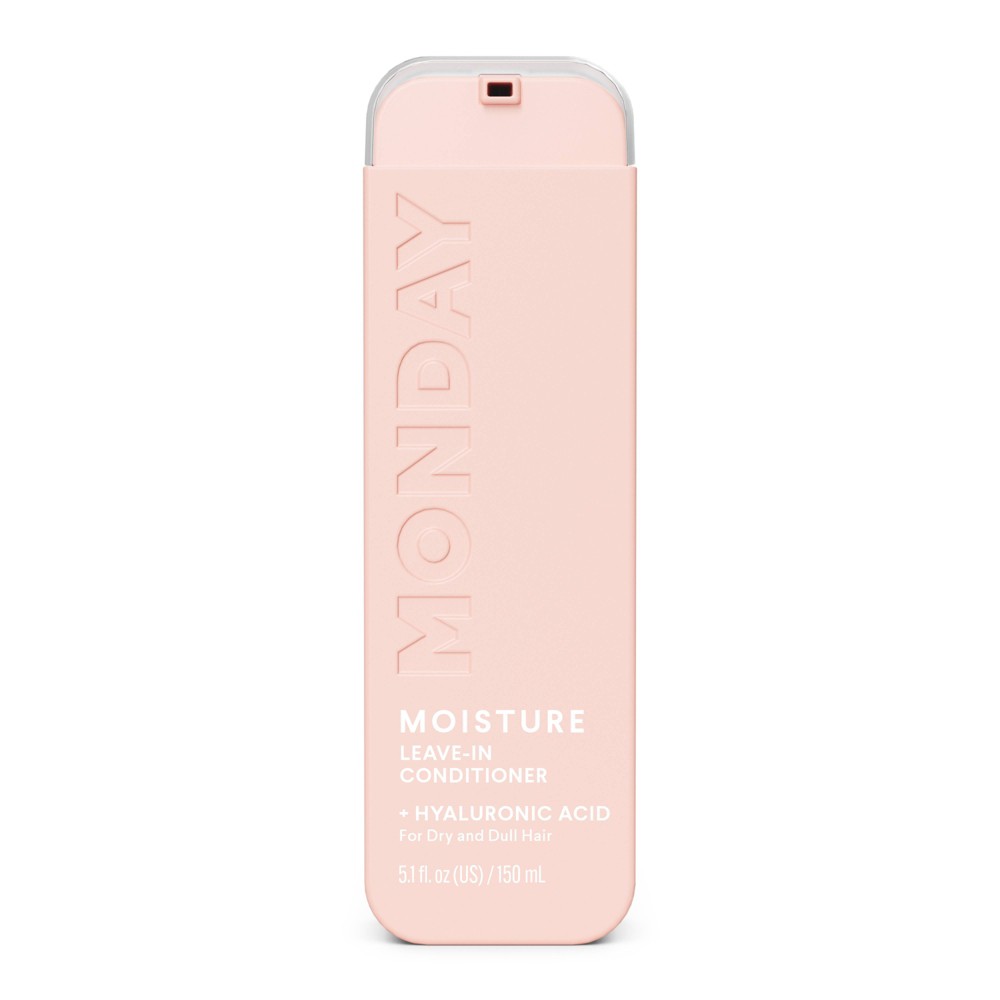
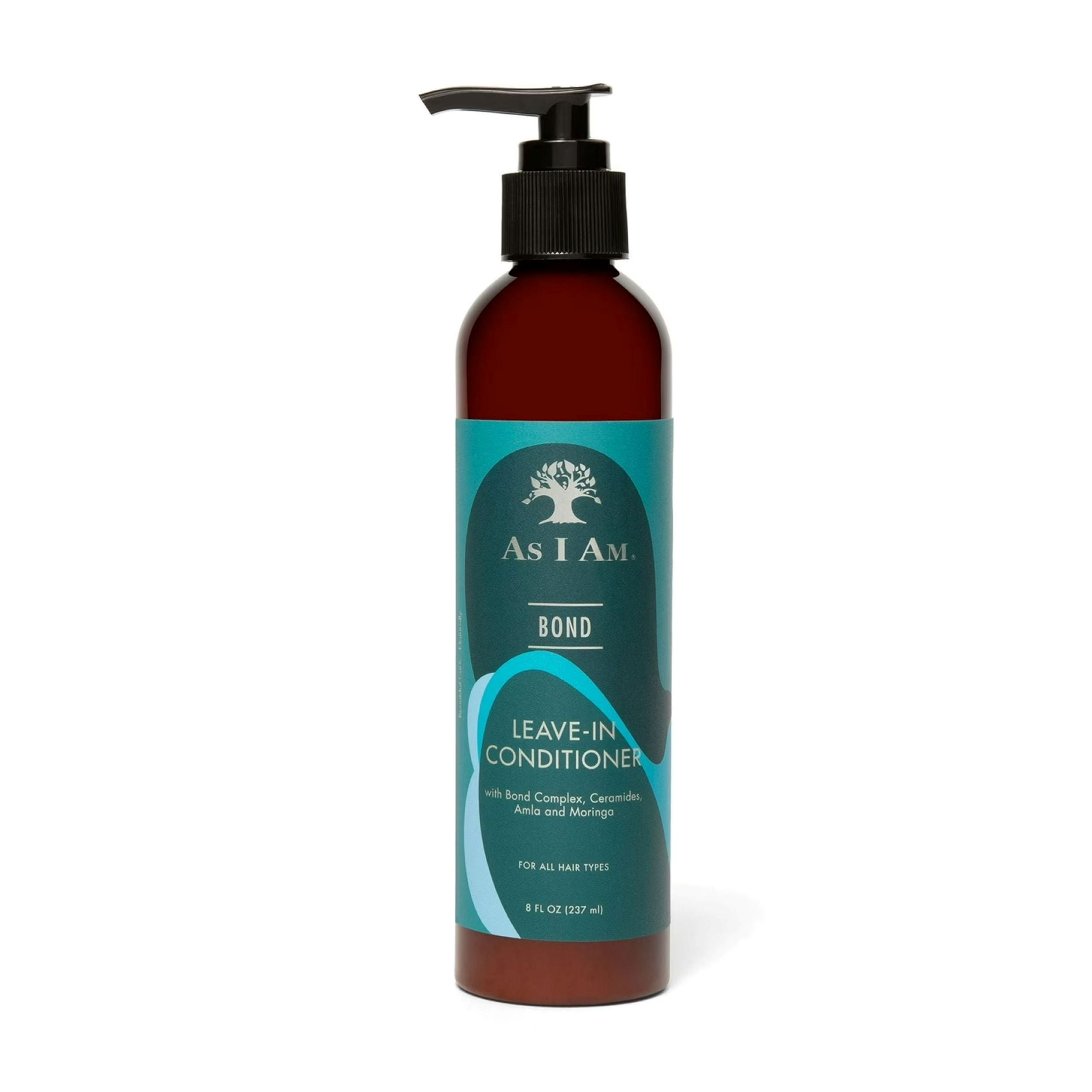
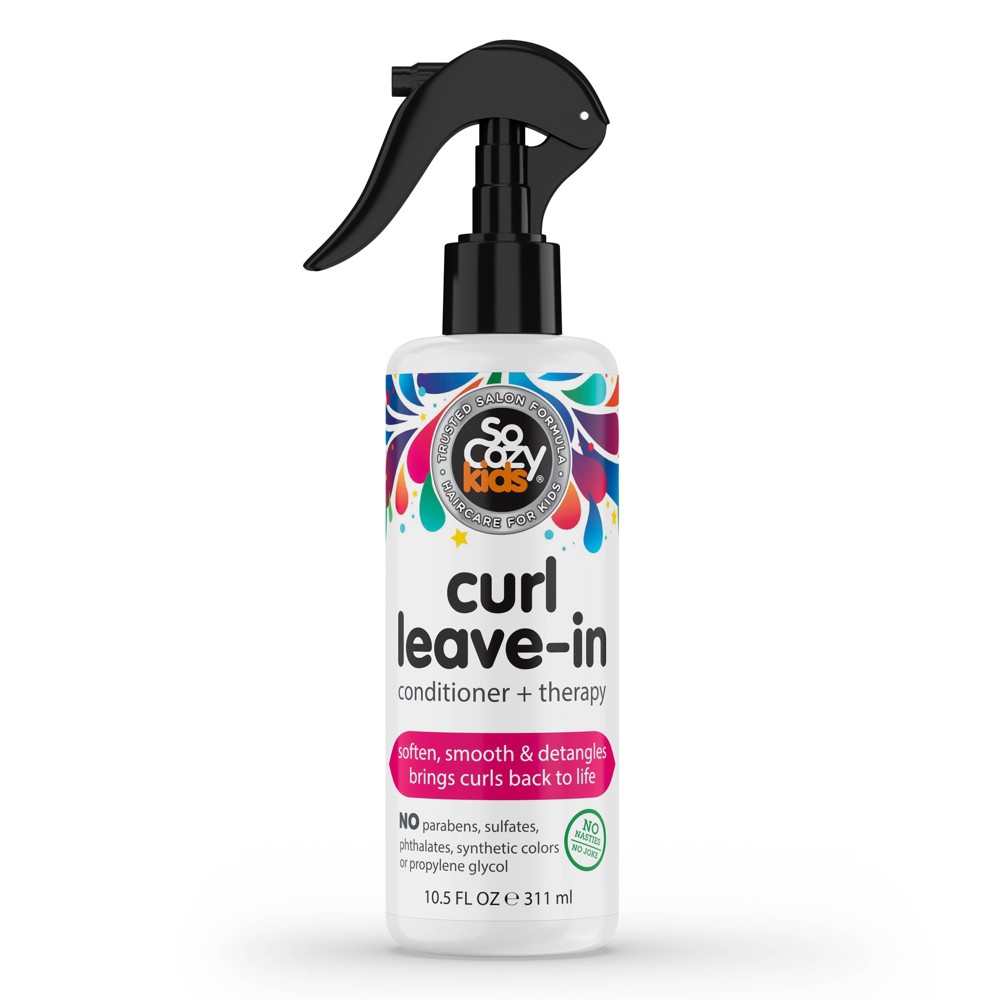
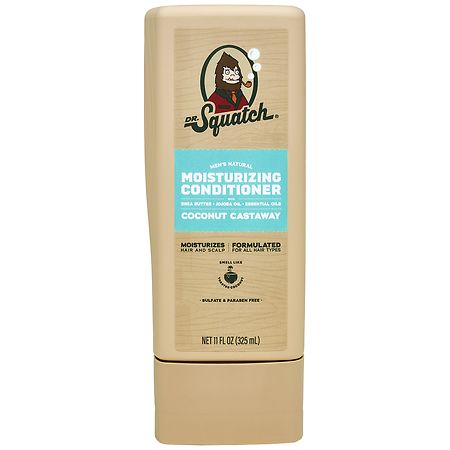
MONDAY Haircare MOISTURE Leave in Conditioner - 5.1 fl oz: For Dry and All Hair Types, Liquid Format
Analysis updated August 2026 · How Scout scores
At a glance
Summary
This leave-in conditioner contains beneficial ingredients like coconut oil, jojoba oil, and shea butter, which provide deep conditioning and moisture to the hair. However, the presence of non-water-soluble dimethicone can lead to buildup, and the inclusion of synthetic fragrance, phenoxyethanol, and drying alcohols like isopropyl alcohol and benzyl alcohol raises concerns about potential irritation and dryness. These factors, combined with the use of synthetic additives, impact the overall safety and effectiveness of the product.
Key ingredients 38
Cocos Nucifera (Coconut) OilVery Good
Coconut oil is a natural oil known for its deep conditioning properties. It penetrates the hair shaft to provide moisture and reduce protein loss. It is highly beneficial for dry and damaged hair.
Risks
Overuse can lead to greasy hair if not washed out properly.
Benefits
It deeply conditions and strengthens the hair, reducing protein loss.
Simmondsia Chinensis (Jojoba) Seed OilVery Good
Jojoba oil is a natural oil that closely resembles the natural oils of the scalp. It provides moisture and helps to balance oil production. It is beneficial for both dry and oily hair types.
Risks
There are minimal risks associated with jojoba oil as it is non-comedogenic and hypoallergenic.
Benefits
It moisturizes the hair and scalp, promoting a healthy balance of natural oils.
Butyrospermum Parkii (Shea) ButterVery Good
Shea butter is a rich, natural emollient that provides deep conditioning and moisture to the hair. It is known for its ability to soften and smooth the hair, reducing frizz and improving manageability. It is particularly beneficial for dry and curly hair types.
Risks
Overuse can weigh down fine hair types.
Benefits
It deeply conditions and softens the hair, reducing frizz and improving manageability.
GlycerinGood
Glycerin is a humectant that attracts moisture to the hair, helping to keep it hydrated. It is a common ingredient in hair care products due to its ability to improve moisture retention. It is generally considered safe and effective.
Risks
In very dry climates, it may draw moisture out of the hair.
Benefits
It helps to maintain moisture levels in the hair, improving softness and elasticity.
Laurdimonium Hydroxypropyl Hydrolyzed Wheat ProteinGood
This is a hydrolyzed protein that helps to strengthen and repair the hair shaft. It improves the hair's ability to retain moisture and adds volume and shine. It is particularly beneficial for damaged or chemically treated hair.
Risks
There are minimal risks, though some individuals may experience sensitivity.
Benefits
It strengthens and repairs the hair, enhancing moisture retention and shine.
Sodium HyaluronateGood
Sodium Hyaluronate is a form of hyaluronic acid that provides intense hydration to the hair and scalp. It helps to retain moisture, improving the overall health and appearance of the hair. It is beneficial for all hair types, especially dry and damaged hair.
Risks
There are minimal risks associated with this ingredient as it is generally well-tolerated.
Benefits
It provides intense hydration, improving the health and appearance of the hair.
Aqua (Water)Neutral
Water is a universal solvent and is used as a base in many cosmetic formulations. It helps to dissolve other ingredients and provides hydration. It is generally considered safe and non-reactive.
Risks
There are no significant risks associated with water in cosmetic formulations.
Benefits
Water helps to hydrate the hair and acts as a carrier for other beneficial ingredients.
Cetearyl AlcoholNeutral
Standard formulation ingredient — neither beneficial nor harmful at typical use.
Risks
There are minimal risks associated with this ingredient as it is generally well-tolerated.
Benefits
It helps to condition and soften the hair, improving manageability.
Behentrimonium ChlorideNeutral
Behentrimonium Chloride is a conditioning agent that helps to detangle and soften the hair. It is effective in reducing static and improving manageability. It is commonly used in conditioners and is generally considered safe.
Risks
In high concentrations, it can cause irritation, but it is typically used in safe amounts.
Benefits
It helps to detangle and soften the hair, reducing static and improving manageability.
PEG-100 StearateNeutral
PEG-100 Stearate is an emulsifier that helps to blend oil and water-based ingredients. It is commonly used in cosmetics and is generally considered safe. It helps to stabilize formulations and improve texture.
Risks
There are minimal risks, though it can be contaminated with impurities if not properly purified.
Benefits
It stabilizes formulations and improves the texture of the product.
Glyceryl StearateNeutral
Glyceryl Stearate is an emulsifier and thickening agent used in cosmetics. It helps to blend ingredients and improve the texture of the product. It is derived from natural sources and is generally considered safe.
Risks
There are minimal risks associated with this ingredient.
Benefits
It helps to blend ingredients and improve the texture of the product.
DimethiconolNeutral
Dimethiconol is a silicone used to provide smoothness and shine to hair. Unlike some silicones, it is less likely to cause buildup. It is often used in conjunction with other silicones to enhance their effects.
Risks
There is a potential for buildup with prolonged use.
Benefits
It provides smoothness and shine to the hair.
HydroxyethylcelluloseNeutral
Hydroxyethylcellulose is a thickening agent derived from cellulose. It helps to improve the texture and consistency of cosmetic products. It is generally considered safe and non-irritating.
Risks
There are minimal risks associated with this ingredient.
Benefits
It improves the texture and consistency of the product.
ChlorphenesinNeutral
Chlorphenesin is a preservative used to prevent microbial growth in cosmetics. It is effective at low concentrations and is generally considered safe. It helps to extend the shelf life of the product.
Risks
It can cause irritation in some individuals, particularly with prolonged use.
Benefits
It effectively preserves the product, preventing microbial growth.
Isopropyl AlcoholNeutral
Standard formulation ingredient — neither beneficial nor harmful at typical use.
Risks
It can cause dryness and irritation to the hair and scalp.
Benefits
It acts as a solvent, helping to dissolve other ingredients.
Cetyl HydroxyethylcelluloseNeutral
Cetyl Hydroxyethylcellulose is a thickening agent that helps to improve the texture of cosmetic products. It is derived from cellulose and is generally considered safe. It helps to stabilize formulations and improve consistency.
Risks
There are minimal risks associated with this ingredient.
Benefits
It stabilizes formulations and improves the texture of the product.
Tapioca StarchNeutral
Tapioca Starch is used as a thickening and texturizing agent in cosmetics. It is derived from the cassava plant and is generally considered safe. It helps to improve the feel and application of the product.
Risks
There are minimal risks associated with this ingredient.
Benefits
It improves the texture and application of the product.
Polyquaternium-37Neutral
Polyquaternium-37 is a conditioning agent that helps to improve the texture and manageability of hair. It is commonly used in hair care products and is generally considered safe. It helps to reduce static and improve the feel of the hair.
Risks
There are minimal risks associated with this ingredient.
Benefits
It improves the texture and manageability of the hair.
C13-16 IsoalkaneNeutral
C13-16 Isoalkane is an emollient used to improve the texture and spreadability of cosmetic products. It is derived from petroleum and is generally considered safe. It helps to enhance the feel and application of the product.
Risks
There are minimal risks associated with this ingredient.
Benefits
It improves the texture and spreadability of the product.
Trideceth-6Neutral
Trideceth-6 is a surfactant and emulsifier used to blend ingredients in cosmetic products. It is commonly used in hair care formulations and is generally considered safe. It helps to stabilize formulations and improve texture.
Risks
There are minimal risks associated with this ingredient.
Benefits
It stabilizes formulations and improves the texture of the product.
Disodium PhosphateNeutral
Disodium Phosphate is used as a buffering agent in cosmetics to maintain pH balance. It is generally considered safe and non-irritating. It helps to stabilize formulations and improve product performance.
Risks
There are minimal risks associated with this ingredient.
Benefits
It helps to maintain pH balance and stabilize formulations.
Hydrated SilicaNeutral
Hydrated Silica is used as a thickening and anti-caking agent in cosmetics. It is derived from silica and is generally considered safe. It helps to improve the texture and stability of the product.
Risks
There are minimal risks associated with this ingredient.
Benefits
It improves the texture and stability of the product.
Silica Dimethyl SilylateNeutral
Silica Dimethyl Silylate is used as a thickening and anti-caking agent in cosmetics. It is derived from silica and is generally considered safe. It helps to improve the texture and stability of the product.
Risks
There are minimal risks associated with this ingredient.
Benefits
It improves the texture and stability of the product.
Citric AcidNeutral
Citric Acid is used as a pH adjuster in cosmetics to maintain stability and performance. It is derived from citrus fruits and is generally considered safe. It helps to balance the pH of the product.
Risks
In high concentrations, it can cause irritation, but it is typically used in safe amounts.
Benefits
It helps to maintain pH balance and improve product stability.
CitronellolNeutral
Citronellol is a fragrance component derived from natural sources such as rose and geranium oils. It is used to impart a pleasant scent to cosmetic products. It is generally considered safe but can cause irritation in sensitive individuals.
Risks
It can cause irritation or allergic reactions in sensitive individuals.
Benefits
It provides a pleasant floral scent to the product.
Hexyl CinnamalNeutral
Hexyl Cinnamal is a fragrance ingredient used to impart a floral scent to cosmetic products. It is derived from chamomile oil and is generally considered safe. However, it can cause allergic reactions in sensitive individuals.
Risks
It can cause allergic reactions in sensitive individuals.
Benefits
It provides a pleasant floral scent to the product.
Citrus Limon Peel OilNeutral
Citrus Limon Peel Oil is derived from lemon peel and is used for its fragrance and potential antimicrobial properties. It imparts a fresh, citrus scent to cosmetic products. It is generally considered safe but can cause irritation in sensitive individuals.
Risks
It can cause irritation or photosensitivity in sensitive individuals.
Benefits
It provides a fresh, citrus scent and has potential antimicrobial properties.
Tetramethyl acetyloctahydronaphthalenesNeutral
Tetramethyl acetyloctahydronaphthalenes is a synthetic fragrance ingredient used to impart a woody scent to cosmetic products. It is generally considered safe but can cause irritation in sensitive individuals. It is often used in small concentrations to enhance the overall fragrance profile.
Risks
It can cause irritation or allergic reactions in sensitive individuals.
Benefits
It provides a woody scent to the product, enhancing the overall fragrance profile.
DimethiconeBad
Dimethicone is a silicone-based polymer used to provide smoothness and shine to hair. However, it is non-water-soluble and can lead to buildup on the hair over time. This buildup can make hair feel heavy and potentially brittle.
Risks
Prolonged use can cause buildup, leading to dullness and potential breakage.
Benefits
It provides immediate smoothness and shine to the hair.
PhenoxyethanolBad
Phenoxyethanol is a preservative used to prevent microbial growth in cosmetic products. While effective, it can cause irritation in some individuals and is a potential allergen. It is considered a safer alternative to parabens but still has some associated risks.
Risks
It can cause skin irritation and allergic reactions in sensitive individuals.
Benefits
It effectively preserves the product, extending its shelf life.
Disodium EDTABad
Processed additive flagged under Scout's ingredient doctrine.
Risks
There are minimal risks, though it can cause irritation in some individuals.
Benefits
It improves the stability and efficacy of the product.
Polysorbate 60Bad
Processed additive flagged under Scout's ingredient doctrine.
Risks
There are minimal risks associated with this ingredient.
Benefits
It stabilizes formulations and improves the texture of the product.
Potassium SorbateBad
Synthetic preservative — flagged in daily-use products.
Risks
It can cause irritation in some individuals, particularly with prolonged use.
Benefits
It effectively preserves the product, preventing microbial growth.
Sodium PhosphateBad
Processed additive flagged under Scout's ingredient doctrine.
Risks
There are minimal risks associated with this ingredient.
Benefits
It helps to maintain pH balance and stabilize formulations.
Benzyl AlcoholBad
Benzyl Alcohol is used as a preservative and solvent in cosmetics. It can be drying and irritating to the skin and scalp, particularly in high concentrations. It is often criticized for its potential to cause allergic reactions.
Risks
It can cause dryness, irritation, and allergic reactions in sensitive individuals.
Benefits
It acts as a preservative, extending the shelf life of the product.
LimoneneBad
Processed additive flagged under Scout's ingredient doctrine.
Risks
It can cause irritation or allergic reactions in sensitive individuals.
Benefits
It provides a fresh, citrus scent to the product.
LinaloolBad
Processed additive flagged under Scout's ingredient doctrine.
Risks
It can cause irritation or allergic reactions in sensitive individuals.
Benefits
It provides a pleasant floral scent to the product.
Parfum (Fragrance)Very Bad
Fragrance is used to impart a pleasant scent to cosmetic products. However, it can be a mixture of various chemicals, some of which may cause irritation or allergic reactions. It is often criticized for its lack of transparency regarding the specific chemicals used.
Risks
It can cause skin irritation and allergic reactions in sensitive individuals.
Benefits
It provides a pleasant scent to the product.
Get the full breakdown in the Scout appTake Scout shopping
Scan any product to see lab results, healthy alternatives, and your personalized analysis.
Download on theApp Store GET IT ONGoogle PlayAmazon pricing & content
Amazon price as of . Product prices and availability are accurate as of the date/time indicated and are subject to change. Any price and availability information displayed on Amazon.com at the time of purchase will apply to the purchase of this product.
CERTAIN CONTENT THAT APPEARS ON THIS SITE COMES FROM AMAZON. THIS CONTENT IS PROVIDED “AS IS” AND IS SUBJECT TO CHANGE OR REMOVAL AT ANY TIME.