



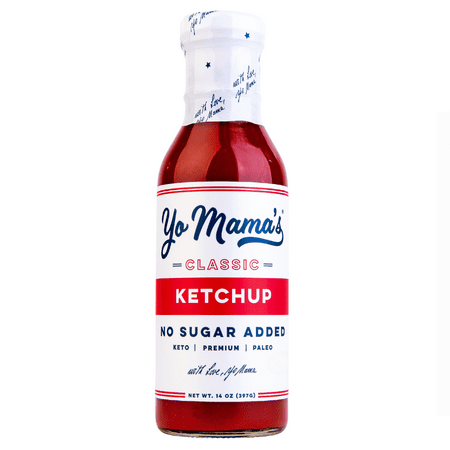

Tomato Ketchup zero sugar
Summary
This ketchup is processed and contains sucralose, an artificial sweetener, which raises concerns about potential long-term health effects. While it uses tomato puree as a primary ingredient, which is beneficial, the presence of artificial additives and the level of processing limit its overall healthiness. The product's low sugar content is a positive aspect, but the use of artificial sweeteners and processing level prevent a higher rating.
At a glance
Key ingredients 8
Tomato pureeGood
Tomato puree is a concentrated form of tomatoes, providing a rich source of vitamins and antioxidants. It is minimally processed, retaining most of the nutritional benefits of fresh tomatoes. The high lycopene content is associated with reduced risk of certain chronic diseases.
Benefits
Rich in vitamins A and C, and lycopene, which may support heart health and reduce inflammation.
VinegarNeutral
Vinegar is used as a preservative and flavor enhancer in many condiments. It is produced through the fermentation of ethanol by acetic acid bacteria. While it adds tanginess, it does not provide significant nutritional benefits.
Risks
Excessive consumption may lead to digestive discomfort due to its acidity.
Benefits
Acts as a natural preservative and can enhance the flavor profile of foods.
Citric acid from concentrateNeutral
Citric acid from concentrate is used to add acidity and preserve the product. It is a common food additive derived from citrus fruits. While it is generally recognized as safe, it does not offer nutritional benefits.
Risks
May cause tooth enamel erosion if consumed in large quantities over time.
Benefits
Helps preserve the product and enhances flavor by adding tartness.
Potassium chlorideNeutral
Potassium chloride is used as a salt substitute to reduce sodium content in foods. It is a mineral that can help maintain electrolyte balance. While beneficial for reducing sodium intake, excessive consumption can affect heart health.
Risks
High intake may lead to hyperkalemia, especially in individuals with kidney issues.
Benefits
Helps reduce sodium intake while providing potassium, which is essential for muscle and nerve function.
Malic acidNeutral
Malic acid is a naturally occurring acid used to enhance flavor and preserve food. It is found in many fruits and contributes to the sour taste. While it is safe for consumption, it does not provide significant nutritional benefits.
Risks
Excessive consumption may cause digestive discomfort.
Benefits
Enhances flavor by adding tartness and acts as a preservative.
Citrus fiberNeutral
Citrus fiber is derived from citrus fruits and used as a thickening agent. It is a source of dietary fiber, which can aid digestion. However, in small amounts, it does not significantly contribute to daily fiber intake.
Benefits
Provides some dietary fiber, which can support digestive health.
Spice and herb extract (contains celery)Neutral
Spice and herb extracts are used to enhance flavor and may contain various beneficial compounds. The inclusion of celery can add flavor and some nutrients. However, the small quantities used do not significantly impact nutritional value.
Risks
Potential allergen for individuals sensitive to celery.
Benefits
Adds flavor and may provide minor antioxidant benefits.
Sweetener (Sucralose)Bad
Sucralose is an artificial sweetener used to provide sweetness without calories. It is chemically altered to be non-caloric, which raises concerns about its long-term health effects. While it is approved for use, some studies suggest it may affect gut health.
Risks
May impact gut microbiota and cause digestive issues in some individuals.
Benefits
Provides sweetness without adding calories, which can be beneficial for weight management.
Processing
Processed Foods
Get the full breakdown in the Scout app
Scan any product to see lab results, healthy alternatives, and your personalized analysis.
Download on theApp Store