


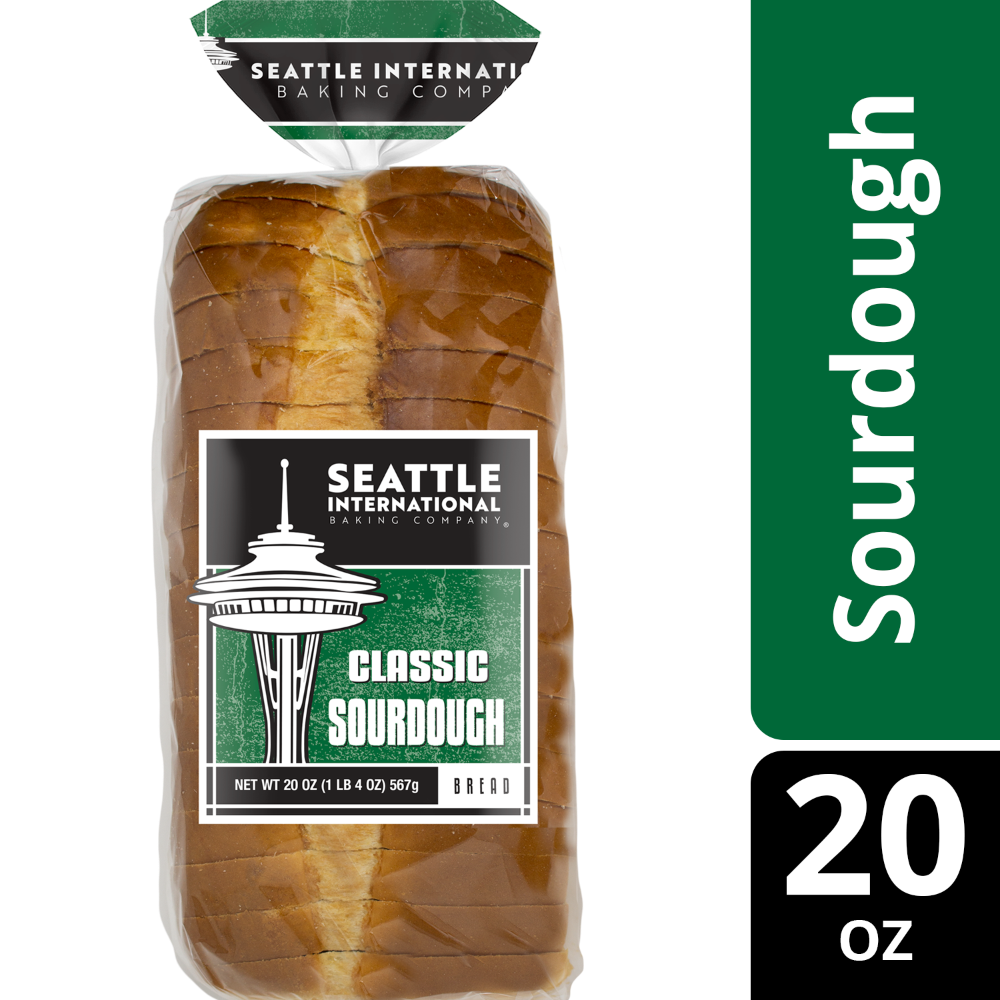

Tuscan White
Summary
This bread is ultra-processed, which limits its potential health benefits despite having some positive ingredients like sea salt and ascorbic acid. The use of enriched wheat flour and dough conditioners indicates a high level of processing, which can detract from the nutritional quality. While it lacks harmful additives like artificial dyes or seed oils, the overall processing level and refined ingredients result in a moderate score.
At a glance
Key ingredients 8
Wheat flourNeutral
Wheat flour is a staple ingredient in bread, providing structure and texture. It is enriched with vitamins and minerals like niacin and iron, which are beneficial for health. However, it is a refined carbohydrate, which may impact blood sugar levels.
Risks
Refined wheat flour can contribute to blood sugar spikes and may lack fiber compared to whole grain alternatives.
Benefits
Enriched wheat flour provides essential nutrients such as iron and B vitamins, which are important for energy metabolism and overall health.
WaterNeutral
Water is a fundamental ingredient in bread-making, hydrating the flour and activating yeast. It is a neutral ingredient with no direct health impacts. Its quality can affect the final texture and taste of the bread.
See more about Water →Sea saltGood
Sea salt is a minimally processed source of sodium and trace minerals. It enhances flavor and can provide essential electrolytes. Unlike refined salt, it retains some beneficial minerals.
Risks
Excessive sodium intake can lead to high blood pressure and cardiovascular issues.
Benefits
Provides essential sodium and trace minerals that are important for maintaining fluid balance and nerve function.
Ascorbic acidGood
Ascorbic acid, also known as vitamin C, is used as a dough conditioner to improve bread texture. It is an antioxidant that can enhance the nutritional profile of the bread. It helps in maintaining the quality and shelf life of the product.
Benefits
Acts as an antioxidant and can improve the texture and shelf life of bread. It also contributes to the daily intake of vitamin C.
Vital wheat glutenNeutral
Vital wheat gluten is added to improve the elasticity and chewiness of bread. It is a concentrated protein derived from wheat. It is particularly useful in bread recipes to enhance structure.
Risks
May cause adverse reactions in individuals with gluten intolerance or celiac disease.
Benefits
Enhances the protein content and structural integrity of bread, making it more elastic and chewy.
ConditionerNeutral
Conditioners like gluten and enzymes are used to improve dough handling and bread quality. They help in achieving a consistent texture and volume. These are typically neutral in terms of health impact.
Benefits
Improves dough consistency and bread quality, leading to better texture and volume.
YeastNeutral
Yeast is a microorganism used to ferment dough, producing carbon dioxide that leavens bread. It is a natural ingredient essential for bread-making. Yeast fermentation can also enhance flavor and nutritional value.
Benefits
Contributes to the leavening and flavor development of bread, and can enhance the nutritional profile through fermentation.
Organic cornmealNeutral
Organic cornmeal is used for texture and flavor in bread. Being organic, it is free from synthetic pesticides and GMOs. It adds a subtle sweetness and a slightly gritty texture to the bread.
Benefits
Provides a source of carbohydrates and adds texture and flavor to the bread.
Processing
Ultra-Processed Foods
Get the full breakdown in the Scout app
Scan any product to see lab results, healthy alternatives, and your personalized analysis.
Download on theApp Store