


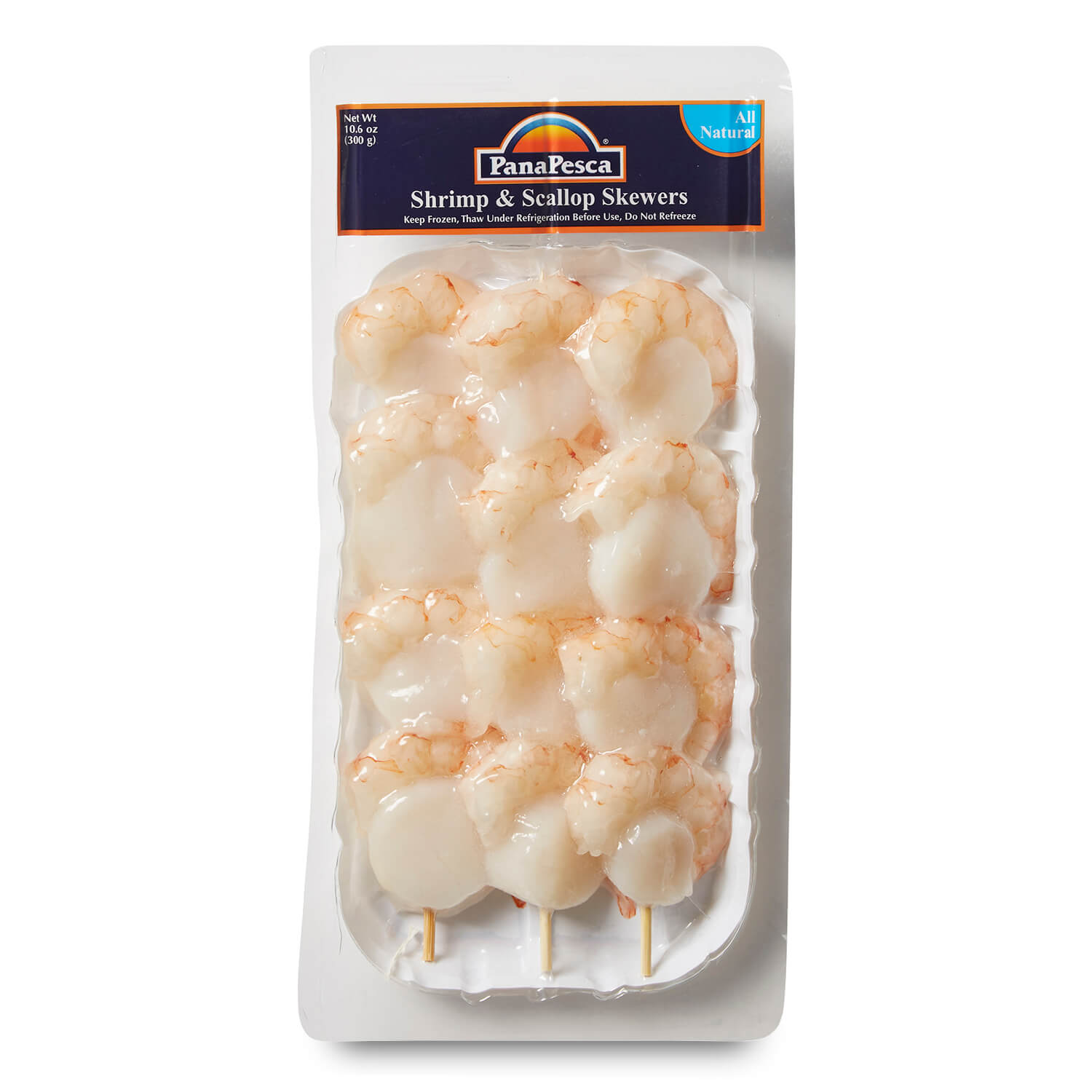
At a glance
Summary
The product consists primarily of shrimp, which is a high-quality protein source with essential nutrients and minimal processing. However, the presence of sodium metabisulfite, a synthetic preservative, raises some health concerns, particularly for individuals with sensitivities. Despite this, the overall ingredient quality and minimal processing contribute to a favorable rating.
Key ingredients 2
ShrimpGood
Shrimp is a natural source of high-quality protein and essential nutrients, making it a healthy choice for many diets.
sodium metabisulfiteNeutral
Sodium metabisulfite is used as a preservative to maintain freshness, but it is generally considered neutral in terms of health impact when consumed in small amounts.
See more about sodium metabisulfite →Processing
Unprocessed or Minimally Processed Foods
Get the full breakdown in the Scout appTake Scout shopping
Scan any product to see lab results, healthy alternatives, and your personalized analysis.
Download on theApp Store GET IT ONGoogle Play