
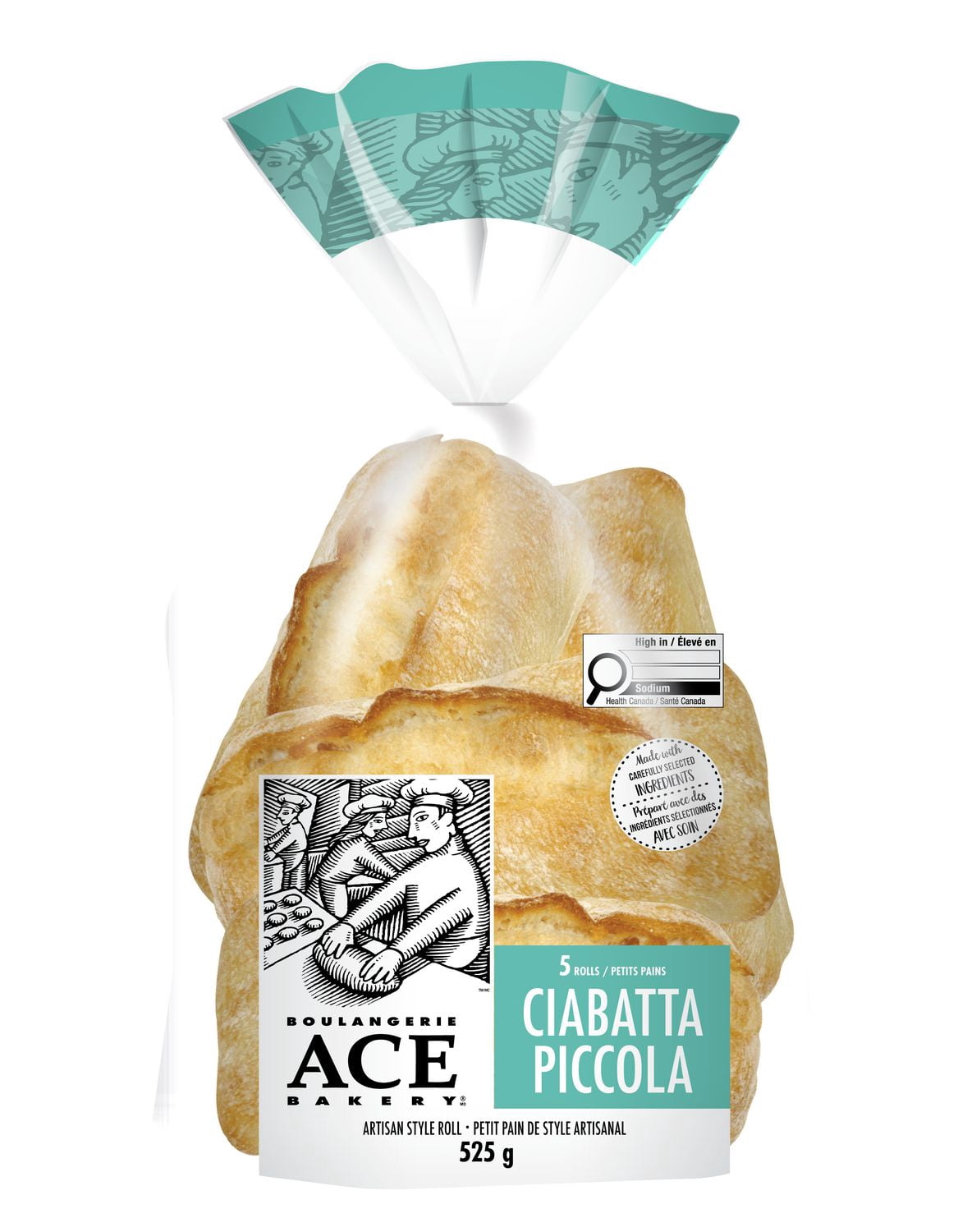
Ace Bakery Ciabatta Piccola Artisan Rolls

ACE Bakery
65 Fair
View on Amazon

Summary

Ace Bakery Ciabatta Piccola Artisan Rolls are made with a relatively simple ingredient list, primarily consisting of enriched wheat flour and water, which is a positive aspect. However, the product is processed, which limits its score potential. The presence of enriched flour and added vitamins indicates a moderate level of processing, but the absence of harmful additives or seed oils is a redeeming factor.

At a glance

Beneficial ingredients 0
Harmful ingredients 0
Owned by FGF Brands
Category Bread

Key ingredients 8

Enriched wheat flour
Neutral

Enriched wheat flour is a refined flour that has been fortified with vitamins and minerals. It lacks the fiber and nutrients found in whole grain flour. The enrichment process adds back some nutrients lost during refining, but it is still less nutritious than whole grain alternatives.

Risks

May contribute to blood sugar spikes due to its refined nature and lack of fiber.

Benefits

Provides essential vitamins and minerals such as iron and B vitamins due to enrichment.

See more about Enriched wheat flour →
Water
Neutral

Water is a fundamental ingredient used in baking to hydrate flour and activate yeast. It is essential for the dough formation process. There are no health concerns associated with water in this context.

See more about Water →
Niacin
Neutral

Niacin, also known as vitamin B3, is added to enriched flour to replace nutrients lost during processing. It plays a role in energy metabolism and maintaining healthy skin. While beneficial, it is typically consumed in adequate amounts through a balanced diet.

Benefits

Supports energy metabolism and skin health.

See more about Niacin →
Reduced iron
Neutral

Reduced iron is added to enriched flour to prevent iron deficiency anemia. It is a common fortification in processed grains. While beneficial for preventing deficiency, excessive intake can lead to health issues.

Risks

Excessive iron intake can cause gastrointestinal issues and oxidative stress.

Benefits

Helps prevent iron deficiency anemia.

See more about Reduced iron →
Ascorbic acid
Neutral

Ascorbic acid, or vitamin C, is used as a dough conditioner to improve bread texture. It is also an antioxidant that supports immune function. In baking, it helps strengthen gluten and improve dough elasticity.

Benefits

Supports immune function and improves dough quality.

See more about Ascorbic acid →
Thiamine mononitrate
Neutral

Thiamine mononitrate is a form of vitamin B1 added to enriched flour to support energy metabolism. It is essential for converting carbohydrates into energy. While beneficial, it is typically consumed in adequate amounts through a balanced diet.

Benefits

Supports energy metabolism and nervous system function.

See more about Thiamine mononitrate →
Riboflavin
Neutral

Riboflavin, or vitamin B2, is added to enriched flour to aid in energy production and cellular function. It is water-soluble and essential for growth and overall health. While beneficial, it is typically consumed in adequate amounts through a balanced diet.

Benefits

Supports energy production and cellular function.

See more about Riboflavin →
Folic acid
Neutral

Folic acid is a synthetic form of vitamin B9 added to enriched flour to prevent neural tube defects during pregnancy. It is crucial for DNA synthesis and cell division. While beneficial, excessive intake can mask vitamin B12 deficiency.

Risks

Excessive intake can mask vitamin B12 deficiency symptoms.

Benefits

Prevents neural tube defects and supports DNA synthesis.

See more about Folic acid →

Processing

Group 3 · Processed

Processed Foods

Get the full breakdown in the Scout app

Scan any product to see lab results, healthy alternatives, and your personalized analysis.

Download on theApp Store