


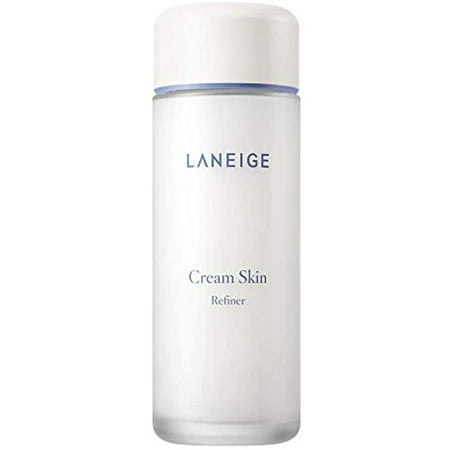
LANEIGE Water Bank Blue Hyaluronic Cream Moisturizer: Hydrate and Nourish, 1.6 fl. oz.
Analysis updated August 2026 · How Scout scores
At a glance
Summary
This moisturizer contains beneficial ingredients like glycerin, squalane, and hydrolyzed hyaluronic acid, which are excellent for hydration and skin health. However, the presence of fragrance, which can cause irritation and allergic reactions, slightly detracts from its overall safety profile. The product is minimally processed, which is a positive aspect, but the inclusion of fragrance prevents it from achieving a higher score.
Key ingredients 6
SqualaneVery Good
Squalane is a highly effective emollient and natural antioxidant. It mimics the skin's natural oils, making it an excellent moisturizer.
Risks
Squalane is generally safe with no significant risks.
Benefits
Squalane provides deep hydration and helps to maintain skin's moisture balance.
Hydrolyzed Hyaluronic AcidVery Good
Hydrolyzed Hyaluronic Acid is a smaller molecule form of hyaluronic acid that penetrates the skin more easily. It provides intense hydration and plumps the skin.
Risks
There are no significant risks associated with this ingredient.
Benefits
It provides deep hydration and helps to plump the skin.
GlycerinGood
Glycerin is a humectant that attracts moisture to the skin, improving hydration. It is widely used in skincare for its moisturizing properties.
Risks
There are minimal risks associated with glycerin, though it can be sticky.
Benefits
Glycerin helps to keep the skin hydrated and soft.
Lactobacillus Ferment LysateGood
Lactobacillus Ferment Lysate is a probiotic ingredient that can help balance the skin's microbiome. It may improve skin barrier function and reduce inflammation.
Risks
There are minimal risks, though some may experience irritation.
Benefits
It supports a healthy skin barrier and reduces inflammation.
WaterNeutral
Water is a common solvent used in cosmetics to dissolve other ingredients. It helps in the application and absorption of the product. It does not provide any direct benefits or risks.
Risks
There are no direct risks associated with water in cosmetics.
Benefits
Water helps in the application and absorption of the product.
Fragrance/ParfumVery Bad
Fragrance is often added to cosmetics for a pleasant scent but can cause irritation and allergic reactions. It is a common cause of contact dermatitis.
Risks
Fragrance can cause skin irritation and allergic reactions.
Benefits
It provides a pleasant scent to the product.
Get the full breakdown in the Scout appTake Scout shopping
Scan any product to see lab results, healthy alternatives, and your personalized analysis.
Download on theApp Store GET IT ONGoogle PlayAmazon pricing & content
Amazon price as of . Product prices and availability are accurate as of the date/time indicated and are subject to change. Any price and availability information displayed on Amazon.com at the time of purchase will apply to the purchase of this product.
CERTAIN CONTENT THAT APPEARS ON THIS SITE COMES FROM AMAZON. THIS CONTENT IS PROVIDED “AS IS” AND IS SUBJECT TO CHANGE OR REMOVAL AT ANY TIME.