
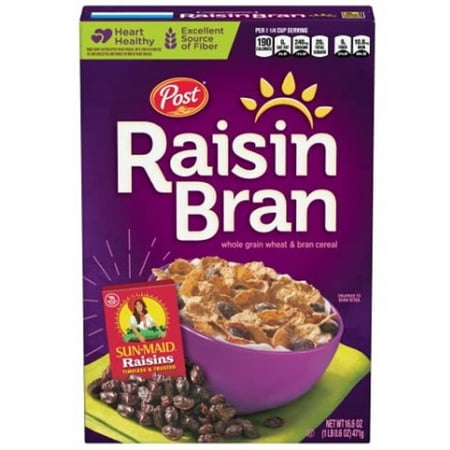


Post Raisin Bran Cereal Made with Wheat and Bran Flakes Instant 16.6 oz Crunchy Cardboard Box
Summary
This cereal contains beneficial ingredients like whole grain wheat, raisins, and wheat bran, which provide fiber and essential nutrients. However, the presence of added sugar and the processed nature of the product limit its healthfulness. The product's processing level and added sugar content prevent it from achieving a higher rating, despite its otherwise clean ingredient list.
At a glance
Key ingredients 10
Whole Grain WheatGood
Whole grain wheat is a source of complex carbohydrates and dietary fiber. It is minimally processed, retaining its bran and germ, which provide essential nutrients. Whole grains are associated with reduced risk of chronic diseases.
Risks
Contains gluten, which may cause issues for individuals with celiac disease or gluten sensitivity.
Benefits
Rich in dietary fiber, which supports digestive health and helps maintain stable blood sugar levels. Provides essential vitamins and minerals such as B vitamins and iron.
RaisinsGood
Raisins are dried grapes that provide natural sugars and antioxidants. They are a concentrated source of energy and nutrients due to the drying process. Raisins contain polyphenols that may support heart health.
Risks
High in natural sugars, which can contribute to dental issues if consumed in excess.
Benefits
Provide antioxidants and polyphenols that may reduce oxidative stress and support cardiovascular health. Offer a natural source of energy and essential nutrients like potassium.
Wheat BranGood
Wheat bran is the outer layer of the wheat kernel, rich in dietary fiber. It is minimally processed and retains essential nutrients. Consuming wheat bran can aid in digestive health and regularity.
Risks
Contains gluten, which may cause issues for individuals with celiac disease or gluten sensitivity.
Benefits
High in insoluble fiber, which promotes healthy digestion and may help prevent constipation. Provides essential nutrients such as magnesium and phosphorus.
SugarBad
Refined sugar is a simple carbohydrate that provides quick energy but lacks essential nutrients. It is highly processed and can contribute to various health issues when consumed in excess. Excessive sugar intake is linked to obesity and metabolic disorders.
Risks
High consumption of refined sugar can lead to weight gain, increased risk of type 2 diabetes, and dental cavities.
Wheat FlourNeutral
Wheat flour is a staple ingredient used for its binding and structural properties in baked goods. It is processed to remove the bran and germ, reducing its nutritional content. Provides carbohydrates and some protein but lacks the fiber of whole grains.
Risks
Contains gluten, which may cause issues for individuals with celiac disease or gluten sensitivity.
Benefits
Provides carbohydrates for energy and some protein, though it lacks the fiber and nutrients found in whole grain alternatives.
Malted Barley FlourNeutral
Malted barley flour is used to enhance flavor and improve texture in baked goods. It is made from sprouted barley grains that are dried and ground. Provides enzymes that can aid in the fermentation process.
Risks
Contains gluten, which may cause issues for individuals with celiac disease or gluten sensitivity.
Benefits
Adds flavor and aids in the fermentation process, improving the texture of baked goods.
SaltNeutral
Salt is used to enhance flavor and preserve food. It is a natural mineral composed primarily of sodium chloride. Essential for maintaining fluid balance and nerve function in the body.
Risks
Excessive salt intake can lead to high blood pressure and increased risk of cardiovascular disease.
Benefits
Essential for maintaining fluid balance and nerve function, but should be consumed in moderation.
Reduced IronNeutral
Reduced iron is added to fortify foods and prevent iron deficiency anemia. It is a form of elemental iron that is absorbed by the body. Fortification helps meet daily iron requirements, especially in populations at risk of deficiency.
Risks
Excessive iron intake can lead to toxicity and health issues such as liver damage.
Benefits
Helps prevent iron deficiency anemia and supports oxygen transport in the body.
Niacinamide (Vitamin B3)Neutral
Niacinamide is a form of vitamin B3 used to fortify foods and support metabolic processes. It is water-soluble and plays a role in energy production and DNA repair. Fortification ensures adequate intake of this essential nutrient.
Benefits
Supports energy production and DNA repair, contributing to overall metabolic health.
Zinc OxideNeutral
Zinc oxide is used to fortify foods with zinc, an essential mineral. It is a safe and effective form of zinc supplementation. Zinc is crucial for immune function and wound healing.
Risks
Excessive zinc intake can interfere with copper absorption and lead to toxicity.
Benefits
Supports immune function and wound healing, and is essential for numerous enzymatic reactions in the body.
Processing
Processed Foods
Get the full breakdown in the Scout app
Scan any product to see lab results, healthy alternatives, and your personalized analysis.
Download on theApp Store