

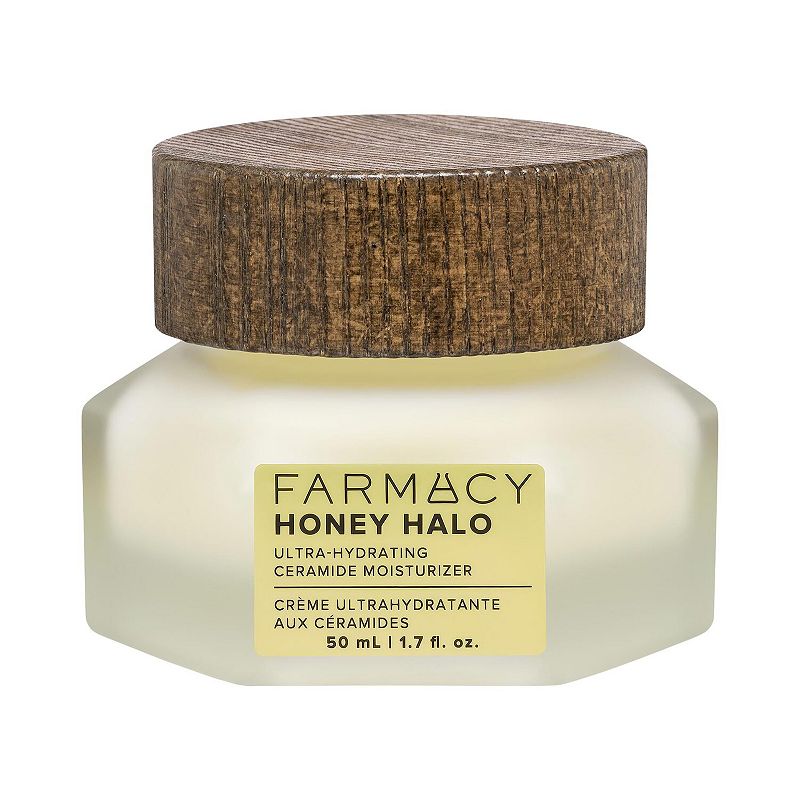
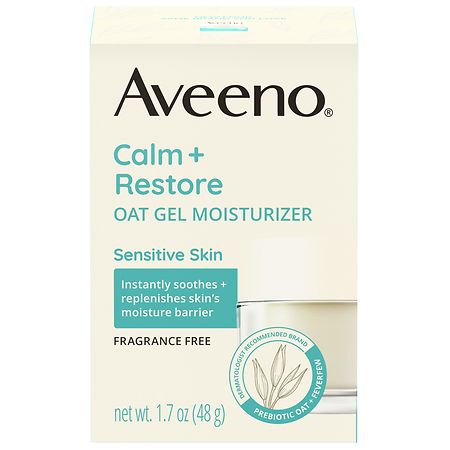
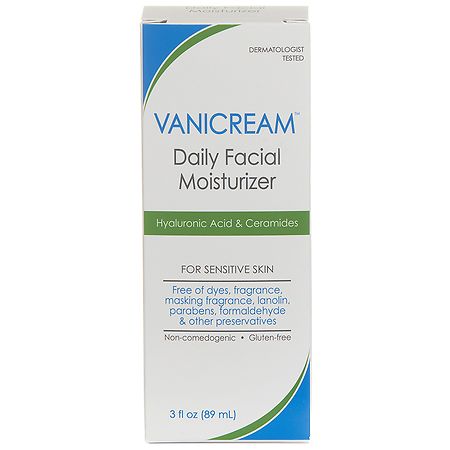
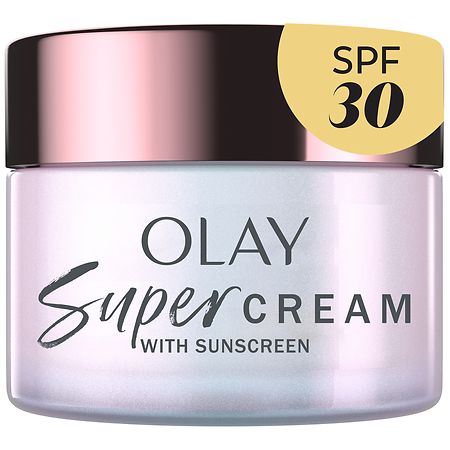
Cetaphil Daily Facial Moisturizer, SPF 15, Fragrance Free, 4 Oz
Summary
This moisturizer contains some synthetic ingredients but avoids major harmful chemicals like parabens and formaldehyde releasers. It lacks natural oils and botanicals that would enhance its safety profile, and the presence of SPF chemicals requires careful consideration for sensitive skin. The product is moderately processed, which affects its overall rating.
At a glance
Key ingredients 16
Octocrylene
Octocrylene is a chemical sunscreen agent that absorbs UVB and short UVA rays, protecting the skin from sun damage. It is commonly used in sunscreens and skincare products for its stability and effectiveness. However, it can cause skin irritation in sensitive individuals.
Risks
Potential risks include skin irritation and allergic reactions, especially in sensitive skin types.
Benefits
It provides effective protection against UV radiation, helping to prevent sunburn and premature skin aging.
Diisopropyl Adipate
Diisopropyl Adipate is an emollient that helps to soften and smooth the skin. It is often used in cosmetic formulations to improve texture and spreadability. While generally considered safe, it can cause mild irritation in some individuals.
Risks
There is a potential for mild skin irritation, particularly for those with sensitive skin.
Benefits
It enhances the texture of skincare products, making them easier to apply and leaving the skin feeling soft.
Cyclopentasiloxane
Cyclopentasiloxane is a silicone-based compound used to improve the texture and spreadability of skincare products. It provides a silky, smooth feel and helps to temporarily fill in fine lines. Although generally safe, it can cause build-up on the skin with prolonged use.
Risks
Potential risks include skin build-up and possible irritation with long-term use.
Benefits
It enhances the application and feel of products, providing a smooth, silky finish.
Glycerin
Glycerin is a humectant that attracts moisture to the skin, helping to keep it hydrated. It is widely used in skincare products due to its effectiveness and safety. Glycerin is generally well-tolerated and beneficial for most skin types.
Risks
There are minimal risks associated with glycerin, though excessive use can lead to a sticky feel.
Benefits
It effectively hydrates the skin, improving moisture retention and skin barrier function.
Butyl Methoxydibenzoylmethane
Butyl Methoxydibenzoylmethane, also known as Avobenzone, is a chemical sunscreen agent that provides broad-spectrum UVA protection. It is commonly used in sunscreens for its ability to absorb the full spectrum of UVA rays. However, it can degrade in sunlight, reducing its effectiveness over time.
Risks
Potential risks include degradation in sunlight, which can reduce its protective efficacy.
Benefits
It offers broad-spectrum UVA protection, helping to prevent skin damage and aging caused by sun exposure.
Glyceryl Stearate
Glyceryl Stearate is an emulsifier that helps to blend oil and water components in formulations. It also acts as a lubricant on the skin's surface, giving it a soft and smooth appearance. It is generally considered safe and non-irritating.
Risks
There are minimal risks, though it can cause mild irritation in very sensitive individuals.
Benefits
It improves the texture and stability of products, enhancing their application and feel.
PEG-100 Stearate
PEG-100 Stearate is an emulsifier used to stabilize and thicken cosmetic formulations. It helps to blend ingredients and improve the texture of products. While generally safe, it can be contaminated with harmful substances during manufacturing.
Risks
Potential contamination with ethylene oxide and 1,4-dioxane during production poses a risk.
Benefits
It stabilizes formulations, improving texture and consistency.
Polymethyl Methacrylate
Polymethyl Methacrylate is a synthetic polymer used to enhance the texture and appearance of skincare products. It provides a smooth, matte finish and helps to fill in fine lines. However, it is a microplastic and can contribute to environmental pollution.
Risks
Environmental concerns due to its microplastic nature and potential for skin irritation.
Benefits
It improves the appearance of the skin by providing a smooth, matte finish.
Phenoxyethanol
Phenoxyethanol is a preservative used to prevent microbial growth in cosmetic products. It is effective in low concentrations and is considered a safer alternative to parabens. However, it can cause skin irritation and allergic reactions in some individuals.
Risks
Potential risks include skin irritation and allergic reactions, particularly in sensitive individuals.
Benefits
It effectively preserves products, extending their shelf life and preventing contamination.
Benzyl Alcohol
Benzyl Alcohol is used as a preservative and solvent in cosmetic formulations. It helps to prevent microbial growth and improve product stability. While generally safe, it can cause irritation and allergic reactions in sensitive skin.
Risks
Potential for skin irritation and allergic reactions, especially in sensitive individuals.
Benefits
It acts as an effective preservative, enhancing product safety and longevity.
Triethanolamine
Triethanolamine is used to adjust the pH of cosmetic formulations and stabilize emulsions. It is effective in small concentrations but can cause irritation and allergic reactions. Prolonged exposure may lead to the formation of nitrosamines, which are potential carcinogens.
Risks
Risks include skin irritation and potential nitrosamine formation, which are carcinogenic.
Benefits
It helps to stabilize formulations and maintain the desired pH balance.
Acrylates/C10-30 Alkyl Acrylate Crosspolymer
This ingredient is a thickening agent that helps to stabilize and improve the texture of cosmetic products. It provides a smooth, gel-like consistency and enhances the spreadability of formulations. It is generally considered safe but can cause mild irritation in sensitive individuals.
Risks
Potential for mild skin irritation, particularly in sensitive skin types.
Benefits
It improves the texture and stability of products, enhancing their application and feel.
Tocopheryl Acetate
Tocopheryl Acetate is a form of Vitamin E used for its antioxidant properties. It helps to protect the skin from free radical damage and supports skin health. It is generally well-tolerated and beneficial for most skin types.
Risks
Minimal risks, though it can cause mild irritation in very sensitive individuals.
Benefits
It provides antioxidant protection, supporting skin health and reducing signs of aging.
Carbomer
Carbomer is a thickening agent used to create gel-like textures in cosmetic products. It helps to stabilize formulations and improve their consistency. It is generally considered safe but can cause mild irritation in sensitive individuals.
Risks
Potential for mild skin irritation, particularly in sensitive skin types.
Benefits
It enhances the texture and stability of products, improving their application and feel.
Disodium EDTA
Disodium EDTA is a chelating agent used to improve the stability and efficacy of cosmetic formulations. It binds to metal ions, preventing them from affecting the product's stability. While generally safe, it can cause irritation in sensitive skin.
Risks
Potential for skin irritation, particularly in sensitive individuals.
Benefits
It enhances product stability and efficacy by binding metal ions.
Cyclotetrasiloxane
Cyclotetrasiloxane is a silicone-based compound used to improve the texture and spreadability of skincare products. It provides a silky, smooth feel and helps to temporarily fill in fine lines. However, it is a volatile silicone and can contribute to environmental pollution.
Risks
Environmental concerns due to its volatility and potential for skin irritation.
Benefits
It enhances the application and feel of products, providing a smooth, silky finish.
Processing
Processed Foods
Get the full breakdown in the Scout app
Scan any product to see lab results, healthy alternatives, and your personalized analysis.
Download on theApp Store