


At a glance
Summary
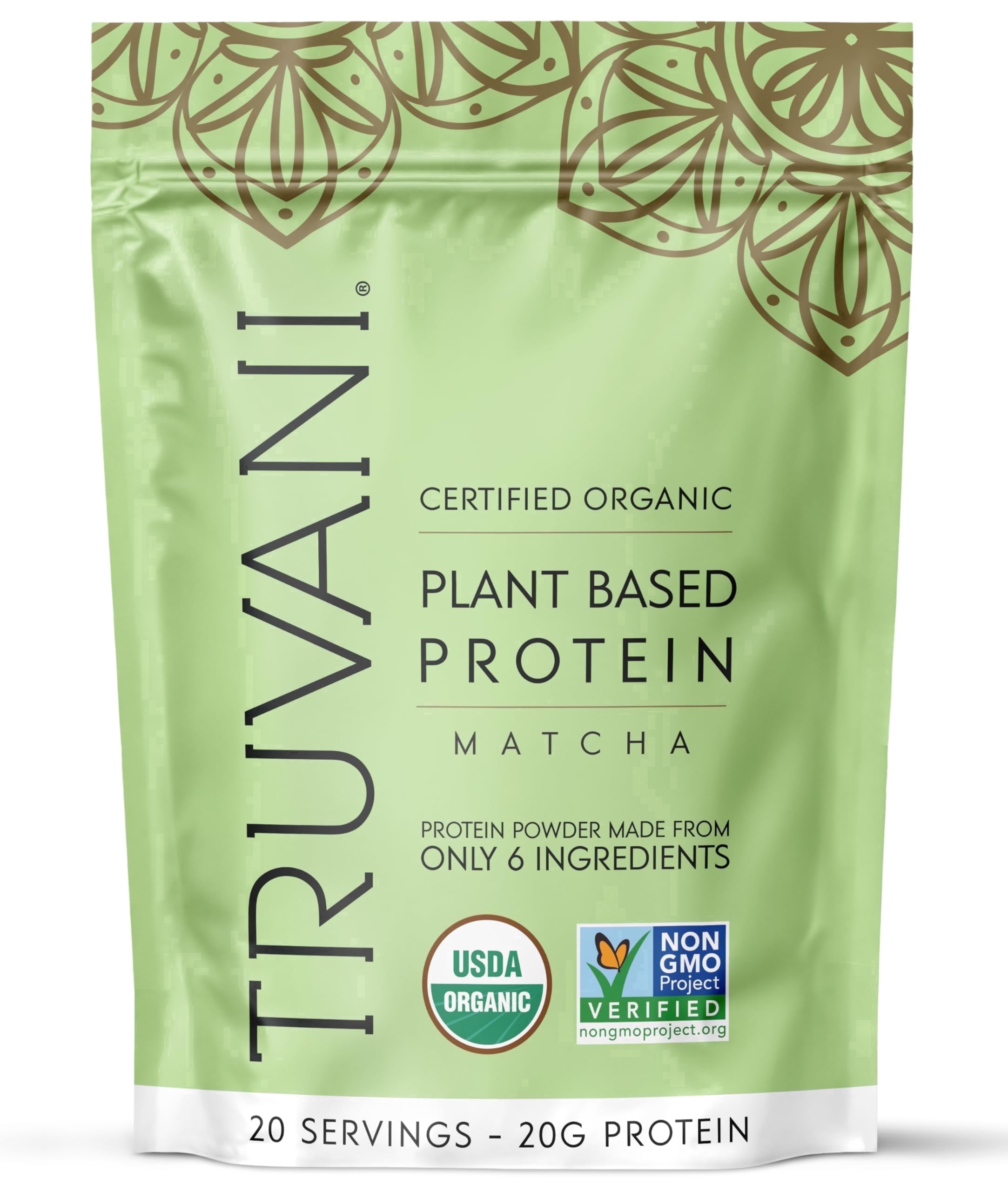
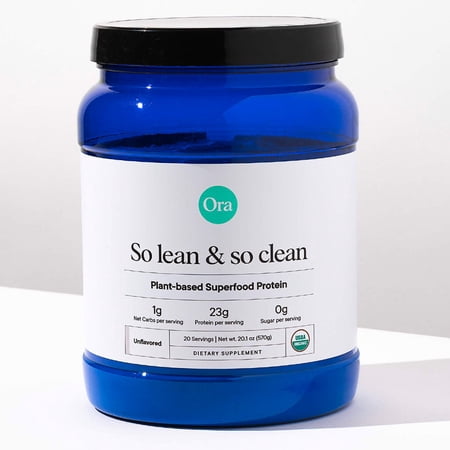
This plant protein supplement includes a variety of beneficial ingredients such as prebiotic fiber, a broad spectrum of vitamins and minerals, and amino acids, which enhance its nutritional profile. However, the use of soy-based protein, which may have allergenic concerns and a less complete amino acid profile, slightly detracts from its overall quality. The product is relatively clean with minimal harmful additives, but the presence of a sweetener and the processing level prevent it from reaching the highest tier.
Key ingredients 10
VitaminsVery Good
Vitamins A, B1, B3, B5, B6, B7, B12, C, D, E, and K are essential for various bodily functions including immune support, energy production, and bone health. These vitamins are crucial for maintaining overall health and preventing deficiencies. The inclusion of a broad spectrum of vitamins enhances the nutritional profile of the product.
Benefits
Essential for maintaining overall health and preventing nutrient deficiencies.
MineralsVery Good
Minerals such as calcium, copper, iron, magnesium, manganese, potassium, selenium, and zinc are vital for bone health, oxygen transport, and enzyme function. They play a critical role in maintaining physiological balance and supporting metabolic processes. Adequate mineral intake is necessary for optimal health.
Benefits
Support bone health, oxygen transport, and various metabolic processes.
Prebiotic FiberGood
Prebiotic fiber supports gut health by promoting the growth of beneficial bacteria. It can improve digestion and enhance nutrient absorption. Additionally, it may help in maintaining a healthy weight by promoting satiety.
Risks
Excessive intake may cause digestive discomfort such as bloating or gas.
Benefits
Supports digestive health and can improve gut microbiota balance.
Amino Acid 18 KindsGood
Amino acids are the building blocks of proteins and are essential for muscle repair and growth. The inclusion of a wide range of amino acids ensures a comprehensive protein profile. This can be particularly beneficial for athletes and individuals looking to support muscle health.
Benefits
Essential for muscle repair, growth, and overall protein synthesis.
BCAAGood
Branched-chain amino acids (BCAAs) are crucial for muscle recovery and reducing exercise-induced muscle damage. They are particularly beneficial for athletes and those engaging in regular physical activity. BCAAs can also help in reducing muscle soreness and fatigue.
Benefits
Support muscle recovery and reduce exercise-induced muscle damage.
Avocado PowderGood
Avocado powder is rich in healthy fats and provides a source of vitamins and minerals. It can support heart health and provide anti-inflammatory benefits. The inclusion of avocado powder enhances the nutritional profile of the product.
Benefits
Rich in healthy fats and supports heart health.
L-CarnitineGood
L-Carnitine is known for its role in energy production and fat metabolism. It can aid in weight management and improve exercise performance. The inclusion of L-Carnitine can be beneficial for those looking to enhance their metabolic health.
Benefits
Supports energy production and fat metabolism.
Coconut Non-Dairy CreamerNeutral
Coconut non-dairy creamer, often containing MCT oil, can provide a source of quick energy. However, it may also add unnecessary calories and fats to the product. The use of MCT oil is generally considered neutral as it can be beneficial for energy but does not provide significant nutritional value.
Risks
May add unnecessary calories and fats to the product.
Benefits
MCT oil can provide a quick source of energy.
SweetenerNeutral
The specific type of sweetener is not identified, but it is assumed to be a non-caloric sweetener. Non-caloric sweeteners can help reduce sugar intake but may not provide any nutritional benefits. The impact on health can vary depending on the type of sweetener used.
Risks
Potential for digestive discomfort depending on the type of sweetener used.
Benefits
Helps reduce sugar intake without adding calories.
Plant-Based ProteinBad
Soy-based proteins are considered inferior due to their less complete amino acid profile compared to animal-based proteins. The presence of soy can also be a concern due to potential allergens and phytoestrogens. However, the inclusion of pea and rice proteins can help balance the amino acid profile.
Risks
Soy protein may contain phytoestrogens which can affect hormone balance and may be allergenic to some individuals.
Benefits
Plant-based proteins are suitable for vegans and can provide a sustainable protein source.
Processing
Processed Foods
Get the full breakdown in the Scout appTake Scout shopping
Scan any product to see lab results, healthy alternatives, and your personalized analysis.
Download on theApp Store GET IT ONGoogle Play