
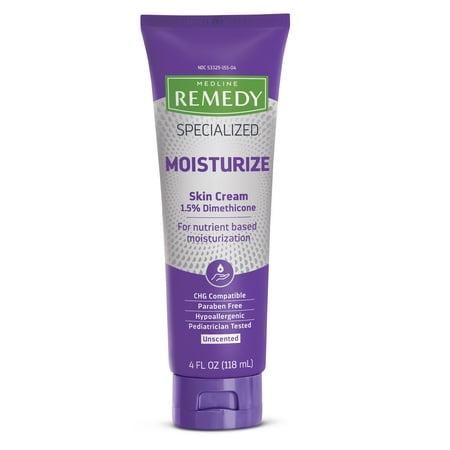
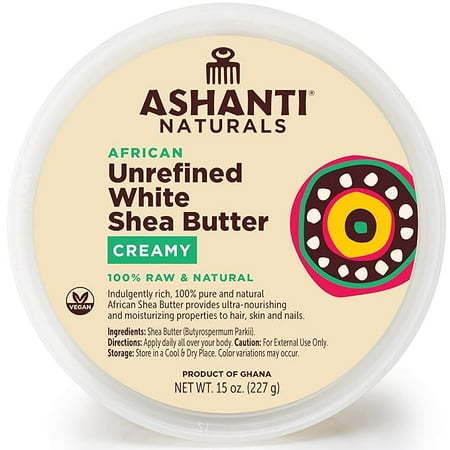


Medline Remedy Specialized Skin Cream Scented 4 oz. Hydrating and Nourishing Formula for Dry Skin
Analysis updated June 2026 · How Scout scores
At a glance
Summary
This skin cream contains beneficial ingredients like aloe vera, vitamin C, and glycerin, which are known for their hydrating and antioxidant properties. However, the presence of safflower and canola oils, which are high in omega-6 fatty acids and often highly processed, raises concerns about potential inflammatory effects. The product's processing level also limits its score, despite the inclusion of several skin-nourishing components.
Key ingredients 15
Aloe barbadensis leaf juiceVery Good
Aloe barbadensis leaf juice is known for its soothing and hydrating properties. It is rich in vitamins, minerals, and antioxidants that support skin health. It is widely used in skincare for its ability to soothe irritation and provide moisture.
Benefits
Soothes irritation and provides hydration with its rich nutrient profile.
Acetyl cysteineGood
Acetyl cysteine is a derivative of the amino acid cysteine, known for its antioxidant properties. It helps protect cells from oxidative stress and supports skin health. It is often used in skincare for its protective benefits.
Benefits
Provides antioxidant protection and supports skin health.
ArginineGood
Arginine is an amino acid that plays a role in collagen production and skin repair. It helps improve skin elasticity and supports the skin's natural repair processes. It is beneficial in skincare for its restorative properties.
Benefits
Supports collagen production and skin repair, improving elasticity.
Ascorbic acidGood
Ascorbic acid, also known as vitamin C, is a powerful antioxidant that protects the skin from oxidative damage. It supports collagen synthesis and brightens the skin. It is highly valued in skincare for its protective and rejuvenating effects.
Benefits
Protects against oxidative damage and supports collagen synthesis.
Ascorbyl palmitateGood
Ascorbyl palmitate is a fat-soluble form of vitamin C that provides antioxidant protection. It helps stabilize formulations and enhances skin absorption of vitamin C. It is beneficial for its ability to protect and nourish the skin.
Benefits
Provides antioxidant protection and enhances skin absorption of vitamin C.
CholecalciferolGood
Cholecalciferol, also known as vitamin D3, is essential for skin health and immune function. It helps regulate skin cell growth and repair. It is beneficial for its role in maintaining healthy skin and supporting the immune system.
Benefits
Supports skin health and immune function by regulating cell growth.
WaterNeutral
Water is a fundamental ingredient used as a solvent in many formulations. It helps dissolve other ingredients and provides hydration. It is generally considered safe and non-reactive.
Benefits
Provides hydration and acts as a solvent for other beneficial ingredients.
GlycerinNeutral
Standard formulation ingredient — neither beneficial nor harmful at typical use.
Benefits
Helps maintain skin hydration and improves texture by attracting moisture.
Stearic acidNeutral
Stearic acid is a fatty acid used as an emulsifier and thickener in cosmetic formulations. It is naturally found in animal and plant fats and is considered safe for topical use. It helps stabilize formulations and improve texture.
Benefits
Helps stabilize formulations and improve texture.
Cetearyl alcoholNeutral
Cetearyl alcohol is a fatty alcohol used as an emulsifier and thickener in skincare products. It is derived from natural oils and is considered safe for use. It helps improve the texture and stability of formulations.
Benefits
Improves texture and stability of skincare formulations.
Cetyl alcoholNeutral
Cetyl alcohol is a fatty alcohol used as an emulsifier and thickener in skincare products. It is derived from natural oils and is considered safe for use. It helps improve the texture and stability of formulations.
Benefits
Improves texture and stability of skincare formulations.
Citric acidNeutral
Citric acid is used as a pH adjuster and preservative in skincare formulations. It is naturally found in citrus fruits and is considered safe for use. It helps maintain the stability and effectiveness of the product.
Benefits
Helps maintain product stability and effectiveness as a pH adjuster.
DimethiconeBad
Occlusive silicone film-former — flagged under clean-beauty doctrine.
Benefits
Provides a smooth application and protects the skin barrier.
Safflower seed oilVery Bad
Safflower seed oil is a seed oil high in omega-6 fatty acids, which can promote inflammation if consumed in excess. It is often highly processed and lacks the beneficial nutrients found in less processed oils. The high omega-6 content is a concern for dietary balance.
Risks
High omega-6 content may promote inflammation when consumed in excess.
Canola oilVery Bad
Canola oil is a seed oil high in omega-6 fatty acids, which can contribute to inflammation if consumed in excess. It is often highly processed and lacks the beneficial nutrients found in less processed oils. The high omega-6 content is a concern for dietary balance.
Risks
High omega-6 content may promote inflammation when consumed in excess.
Processing
Processed Foods
Get the full breakdown in the Scout appTake Scout shopping
Scan any product to see lab results, healthy alternatives, and your personalized analysis.
Download on theApp Store GET IT ONGoogle PlayAmazon pricing & content
Amazon price as of . Product prices and availability are accurate as of the date/time indicated and are subject to change. Any price and availability information displayed on Amazon.com at the time of purchase will apply to the purchase of this product.
CERTAIN CONTENT THAT APPEARS ON THIS SITE COMES FROM AMAZON. THIS CONTENT IS PROVIDED “AS IS” AND IS SUBJECT TO CHANGE OR REMOVAL AT ANY TIME.