
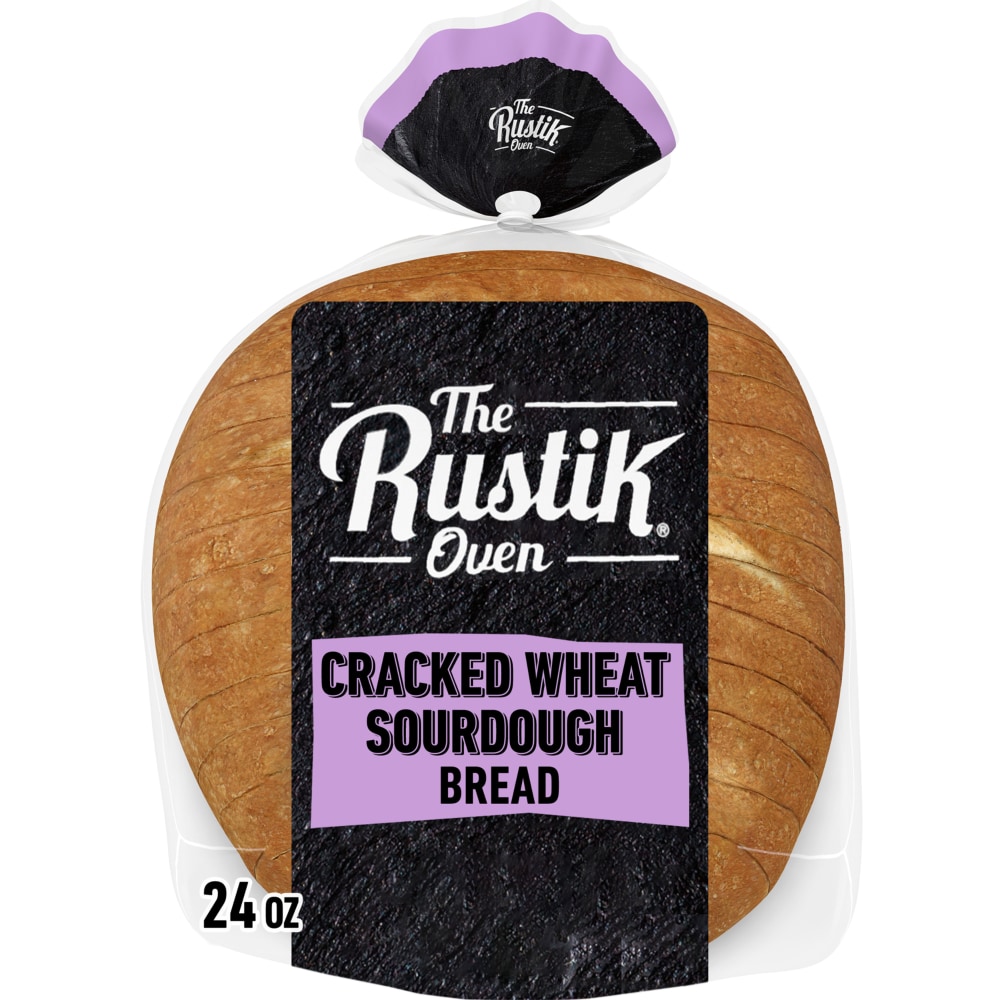


CRACKED WHEAT SOURDOUGH
Summary
This bread is made with a sourdough starter, which enhances flavor and digestibility, and uses unbleached enriched wheat flour. However, it is a processed food with a moderate level of processing, which limits its score. The ingredient list is relatively clean, with no harmful additives or seed oils, but the presence of enriched flour and salt contributes to a moderate score.
At a glance
Key ingredients 5
Unbleached enriched wheat flourNeutral
Unbleached enriched wheat flour is a refined flour that has been fortified with vitamins and minerals. It lacks the fiber and nutrients found in whole grain flours. The enrichment process adds back some nutrients lost during processing, but it is still less nutritious than whole grain options.
Risks
May contribute to blood sugar spikes due to its refined nature and lack of fiber.
Benefits
Provides essential vitamins and minerals such as iron and B vitamins due to enrichment.
WaterNeutral
Water is a fundamental ingredient used to hydrate and bind ingredients in bread. It is essential for the fermentation process in sourdough. Water itself does not provide nutritional benefits but is necessary for the dough's texture and rise.
See more about Water →Sourdough starterGood
Sourdough starter is a natural yeast that aids in the fermentation process, enhancing the bread's flavor and texture. It can improve the digestibility of the bread and increase the availability of nutrients. The fermentation process may also reduce phytic acid, improving mineral absorption.
Benefits
May improve gut health and nutrient absorption due to natural fermentation.
Cracked wheatNeutral
Cracked wheat is a whole grain that adds texture and a nutty flavor to the bread. It retains more nutrients compared to refined grains. However, it is not as finely milled, which may affect the bread's texture.
Risks
May cause digestive discomfort in individuals sensitive to whole grains.
Benefits
Provides dietary fiber and essential nutrients such as B vitamins and minerals.
SaltNeutral
Salt is used to enhance flavor and control yeast activity in bread making. It is a common ingredient in baking but does not provide significant nutritional benefits. Excessive consumption of salt can lead to health issues such as high blood pressure.
Risks
High sodium intake can contribute to hypertension and cardiovascular issues.
Benefits
Enhances flavor and helps regulate yeast fermentation in bread.
Processing
Processed Foods
Get the full breakdown in the Scout app
Scan any product to see lab results, healthy alternatives, and your personalized analysis.
Download on theApp Store