




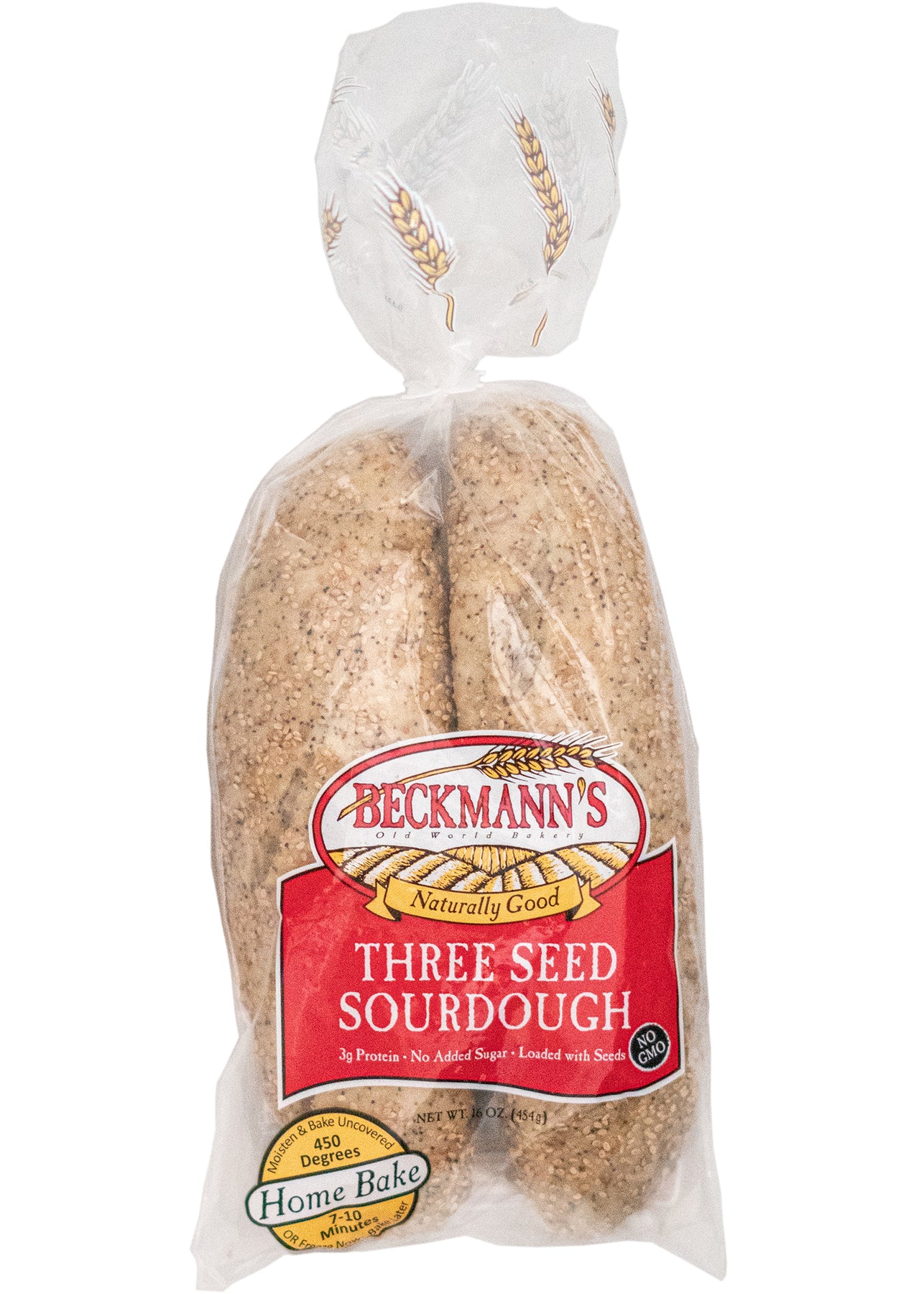
Maxi Burger Brötle
Summary
This product contains refined wheat flour and sugar, which contribute to its processed nature and can impact health negatively when consumed in excess. The presence of rapeseed oil, a seed oil high in omega-6 fatty acids, further reduces its nutritional quality. Additionally, the use of emulsifiers and ethanol for preservation indicates a moderate level of processing, which affects its overall healthiness.
At a glance
Key ingredients 12
Wheat flourNeutral
Wheat flour is a staple ingredient in many baked goods, providing structure and texture. It is a refined carbohydrate, which can lead to rapid spikes in blood sugar levels. While it is a common ingredient, it lacks the nutritional benefits of whole grain alternatives.
Risks
Refined wheat flour can contribute to blood sugar spikes and lacks fiber and nutrients found in whole grains.
Benefits
Provides structure and texture to baked goods, making it essential for many recipes.
WaterNeutral
Water is a basic ingredient used to hydrate and bind ingredients in dough. It is essential for the baking process but does not contribute any nutritional value. Its presence is necessary for the proper texture and rise of the bread.
Benefits
Essential for hydration and proper dough formation in baking.
SugarBad
Sugar is used to enhance flavor and aid in yeast fermentation in bread. However, it is a refined carbohydrate that can contribute to health issues like obesity and diabetes when consumed in excess. Its presence in bread can add unnecessary calories and sugar content.
Risks
Excessive consumption can lead to obesity, diabetes, and other metabolic disorders.
Benefits
Aids in yeast fermentation and enhances flavor in baked goods.
YeastNeutral
Yeast is a microorganism used to leaven bread, creating a light and airy texture. It is a natural ingredient that plays a crucial role in the fermentation process. While it is essential for bread making, it does not provide significant nutritional benefits.
Benefits
Essential for leavening bread and creating a desirable texture.
Rapeseed oilVery Bad
Rapeseed oil, also known as canola oil, is a seed oil high in omega-6 fatty acids. Its high omega-6 content and processing methods can promote inflammation and other health concerns. It is considered a low-quality fat compared to healthier alternatives like olive oil.
Risks
High omega-6 content may promote inflammation when consumed in excess.
SesameNeutral
Sesame seeds add flavor and texture to baked goods and are a source of healthy fats and minerals. However, they are used in small quantities and may pose allergy risks for some individuals. Their nutritional impact is minimal in the context of this product.
Risks
Potential allergen for some individuals.
Benefits
Source of healthy fats and minerals, though in minimal amounts in this product.
SaltNeutral
Salt is used to enhance flavor and control yeast activity in bread. While necessary in small amounts, excessive salt intake can lead to health issues like hypertension. Its role in this product is primarily functional and flavor-enhancing.
Risks
Excessive consumption can lead to hypertension and cardiovascular issues.
Benefits
Enhances flavor and controls yeast activity in baking.
Wheat glutenNeutral
Wheat gluten is added to improve the elasticity and texture of bread. It is a protein that can enhance the structure of baked goods. However, it may pose issues for individuals with gluten sensitivities or celiac disease.
Risks
May cause adverse reactions in individuals with gluten sensitivities or celiac disease.
Benefits
Improves elasticity and texture of bread, enhancing its quality.
Emulsifier: Mono and diacetyl tartaric acid esters of mono and diglycerides of fatty acidsNeutral
This emulsifier is used to improve dough stability and extend shelf life. It is a common additive in processed foods but does not provide nutritional benefits. While generally recognized as safe, it is a processed ingredient.
Benefits
Improves dough stability and extends shelf life of baked goods.
Inactive yeastNeutral
Inactive yeast is used as a flavor enhancer and nutritional supplement in some baked goods. It does not contribute to leavening but can add a savory flavor. Its nutritional benefits are minimal in the context of this product.
Benefits
Can enhance flavor and provide minimal nutritional benefits.
Flour treatment agent: Ascorbic acidNeutral
Ascorbic acid is used as a flour treatment agent to improve dough strength and volume. It is a form of vitamin C and is generally recognized as safe. Its presence in bread is primarily functional, with minimal nutritional impact.
Benefits
Improves dough strength and volume, enhancing bread quality.
EthanolNeutral
Ethanol is used as a preservative to extend the shelf life of baked goods. It is a common food-grade solvent and preservative. While it serves a functional purpose, it does not contribute to the nutritional value of the product.
Benefits
Extends shelf life of baked goods, maintaining product quality.
Processing
Processed Foods
Get the full breakdown in the Scout app
Scan any product to see lab results, healthy alternatives, and your personalized analysis.
Download on theApp Store