
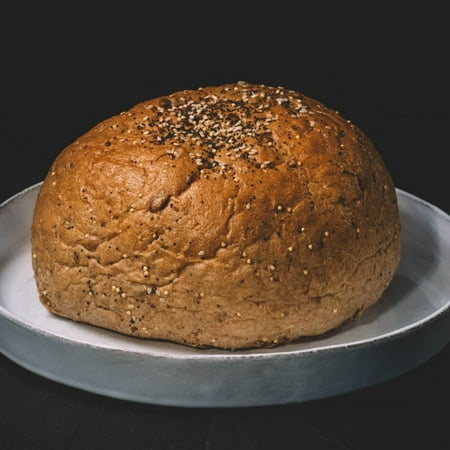
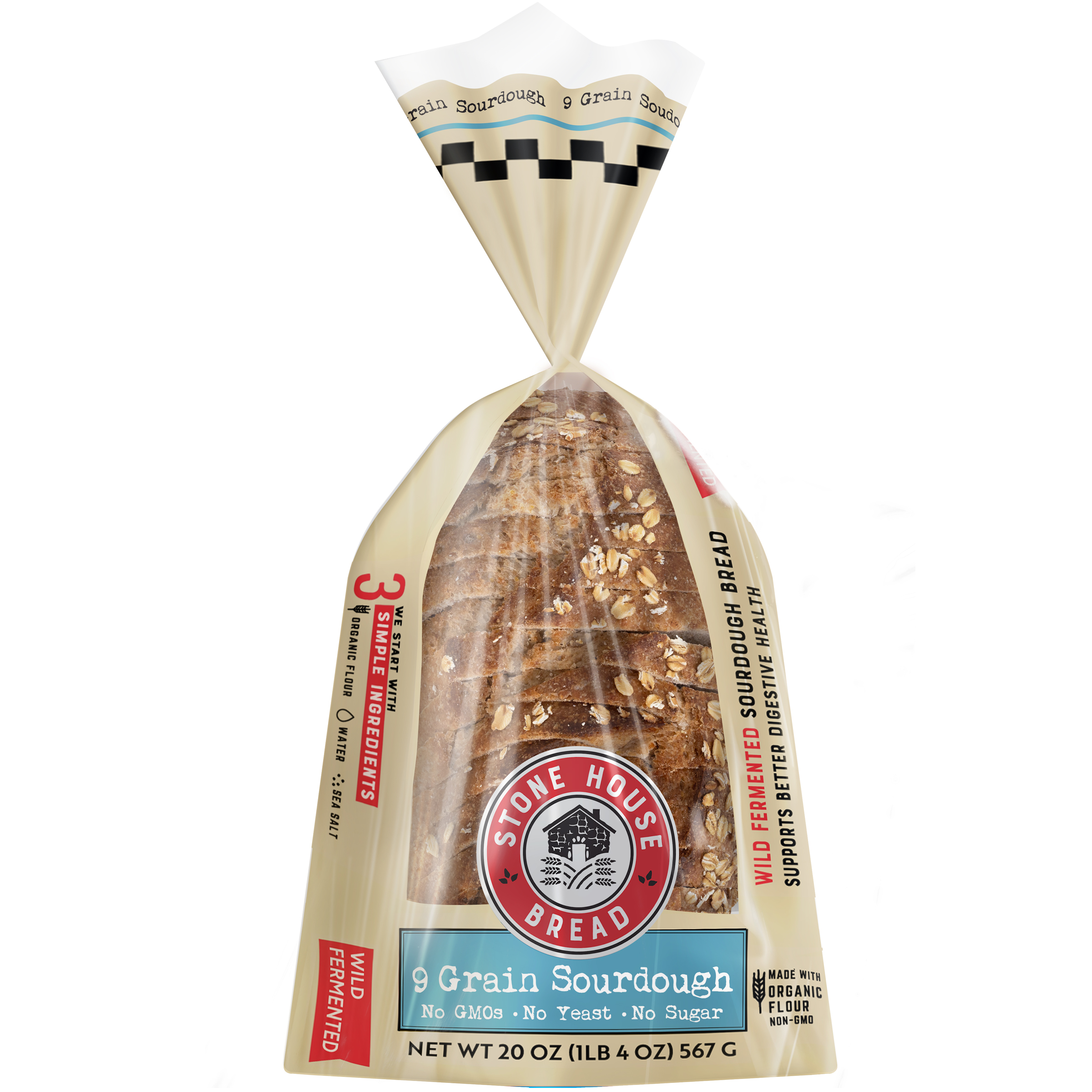
STONE BAKED PANE DI CASA

Bakery
75 Good
View on Amazon

Summary

This bread is made with a relatively simple ingredient list, featuring wheat flour and sourdough, which are generally positive for flavor and digestibility. However, the inclusion of soy flour, a processed ingredient that can affect mineral absorption and act as an allergen, slightly detracts from its health profile. The product is moderately processed, which limits its score despite the absence of artificial additives or preservatives.

At a glance

Beneficial ingredients 1
Harmful ingredients 1
Owned by Bimbo Bakeries USA
Category Bread

Key ingredients 7

Wheat Flour
Neutral

Wheat flour is a staple ingredient in bread, providing structure and texture. It is a refined carbohydrate, which can lead to rapid spikes in blood sugar levels. Whole grain alternatives offer more fiber and nutrients compared to refined wheat flour.

Risks

May cause blood sugar spikes and is a common allergen for those with gluten sensitivity or celiac disease.

Benefits

Provides essential carbohydrates for energy and is a key component in traditional bread making.

See more about Wheat Flour →
Water
Neutral

Water is a fundamental ingredient in bread, hydrating the flour and activating yeast. It plays a crucial role in the dough's consistency and texture. There are no health concerns associated with water in this context.

Benefits

Essential for hydration and activating yeast, contributing to the bread's texture and rise.

See more about Water →
Sourdough
Good

Sourdough is a natural leavening agent that enhances flavor and texture. It involves fermentation, which can improve digestibility and nutrient absorption. The fermentation process may also reduce gluten content, making it easier to digest for some individuals.

Benefits

May improve gut health due to beneficial bacteria and enhance nutrient absorption.

See more about Sourdough →
Salt
Neutral

Salt is used to enhance flavor and control yeast activity in bread. While necessary in small amounts, excessive consumption can lead to health issues such as hypertension. It is important to monitor salt intake from all dietary sources.

Risks

Excessive salt intake can contribute to high blood pressure and cardiovascular issues.

Benefits

Enhances flavor and helps control yeast fermentation in bread making.

See more about Salt →
Yeast
Neutral

Yeast is a microorganism used to leaven bread, creating a light and airy texture. It ferments sugars, producing carbon dioxide and alcohol, which evaporate during baking. There are no significant health concerns associated with yeast in bread.

Benefits

Essential for leavening bread, contributing to its texture and flavor.

See more about Yeast →
Soy Flour
Bad

Soy flour is used to enhance protein content and improve dough handling. However, it is a processed ingredient that may contain anti-nutrients affecting mineral absorption. It can also be an allergen for some individuals.

Risks

May contain anti-nutrients and is a common allergen, potentially affecting those with soy allergies.

Benefits

Enhances protein content and improves dough handling properties.

Vitamins
Neutral

Vitamins such as folic acid and thiamin are added to enrich the nutritional profile of the bread. These vitamins are essential for various bodily functions, including energy metabolism and cell growth. Synthetic vitamins may not be as bioavailable as those from whole food sources.

Benefits

Essential for energy metabolism and cell growth, contributing to overall health.

Processing

Group 3 · Processed

Processed Foods

Get the full breakdown in the Scout app

Scan any product to see lab results, healthy alternatives, and your personalized analysis.

Download on theApp Store