


At a glance
Summary
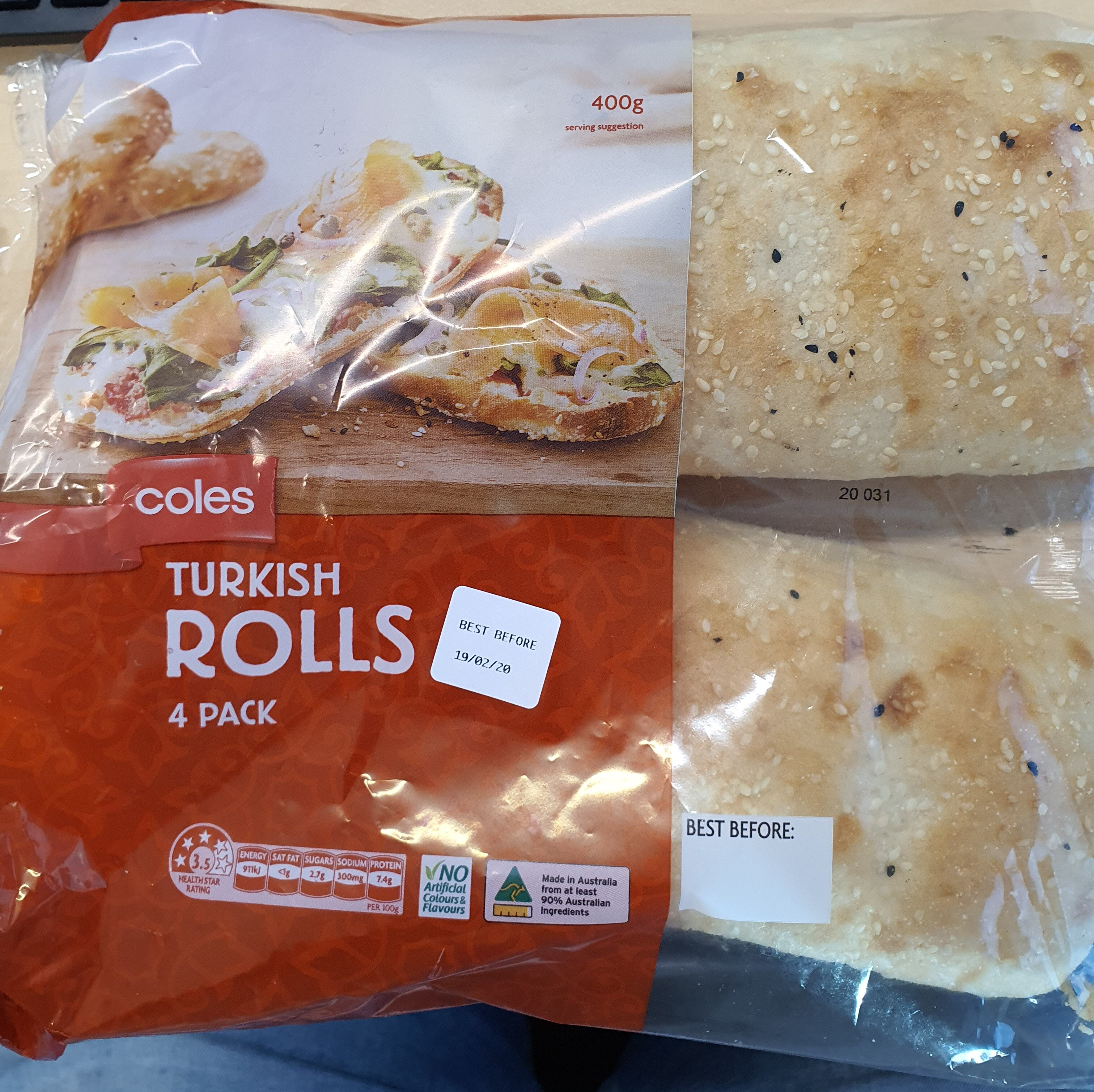
This product contains canola oil, which is a seed oil known for its high omega-6 fatty acid content and potential inflammatory effects. Additionally, the presence of potassium sorbate as a preservative adds to the processing level concerns. However, the inclusion of beneficial ingredients like sesame and nigella seeds provides some nutritional value, and the overall additive count is low, which helps mitigate the negative aspects.
Key ingredients 9
Sesame seedsGood
Sesame seeds are a nutrient-dense whole food, rich in healthy fats, protein, and minerals like calcium and magnesium. They add flavor and texture to baked goods. Whole seeds are generally considered beneficial for health.
Risks
Allergic reactions can occur in individuals with sesame allergies.
Benefits
Rich in healthy fats and minerals, contributing to overall nutritional value.
Nigella seedsGood
Nigella seeds are known for their unique flavor and potential health benefits, including anti-inflammatory properties. They are used in small quantities to enhance the taste of baked goods. Their nutritional impact is generally positive.
Benefits
May offer anti-inflammatory benefits and enhance flavor.
WaterNeutral
Water is a fundamental ingredient in bread making, essential for hydrating the flour and activating yeast. It contributes to the dough's consistency and texture. There are no health concerns associated with water in this context.
Benefits
Essential for dough formation and yeast activation, contributing to the bread's texture.
YeastNeutral
Baker's/nutritional yeast in standard use — benign.
Benefits
Enhances flavor and texture while improving nutrient bioavailability through fermentation.
Iodised saltNeutral
Iodised salt provides essential iodine, which supports thyroid function. It is used to enhance flavor in food products. Excessive salt intake can lead to health issues such as hypertension.
Risks
Excessive consumption can contribute to high blood pressure and other cardiovascular issues.
Benefits
Provides essential iodine, supporting thyroid health.
ImproverNeutral
Improvers are used in bread to enhance dough stability and improve texture. They often contain enzymes and antioxidants like ascorbic acid. While they improve product quality, they are not essential for health.
Benefits
Improves dough stability and texture, enhancing the final product quality.
Wheat flourBad
Refined grain flour stripped of bran and germ.
Risks
Refined wheat flour can contribute to blood sugar spikes and may lack fiber compared to whole grain alternatives.
Benefits
Enrichment with vitamins like folic acid and thiamin can help meet daily nutritional requirements.
Preservative (potassium sorbate)Bad
Potassium sorbate is a common preservative used to extend shelf life by inhibiting mold and yeast growth. While generally recognized as safe, it is a synthetic additive. Overconsumption of preservatives can lead to potential health concerns.
Risks
May cause allergic reactions or sensitivities in some individuals.
Benefits
Extends shelf life by preventing mold and yeast growth.
Canola oilVery Bad
Canola oil is a seed oil high in omega-6 fatty acids, which can promote inflammation when consumed in excess. It is often highly processed, involving chemical extraction and refining. Compared to healthier fats like olive oil, canola oil is less beneficial.
Risks
High omega-6 content may promote inflammation when consumed in excess.
Processing
Processed Foods
Get the full breakdown in the Scout appTake Scout shopping
Scan any product to see lab results, healthy alternatives, and your personalized analysis.
Download on theApp Store GET IT ONGoogle Play