


At a glance
Summary
This product contains a variety of beneficial ingredients such as chicken breast, mixed vegetables, and garlic, which contribute to its nutritional value. However, the presence of sunflower oil, a seed oil high in omega-6 fatty acids, is a concern due to its potential to promote inflammation. Additionally, the product is processed, which limits its score despite the inclusion of several whole food ingredients.
Key ingredients 24
Chicken breastVery Good
Chicken breast is a high-quality source of lean protein, essential for muscle growth and repair. It is low in fat and provides important nutrients like B vitamins and selenium. Compared to other meats, it is a healthier option due to its lower saturated fat content.
Benefits
Excellent source of lean protein and essential nutrients.
Mixed vegetablesVery Good
Mixed vegetables provide a variety of vitamins, minerals, and dietary fiber. They contribute to a balanced diet and support overall health. The diversity of vegetables ensures a wide range of nutrients and antioxidants.
Benefits
Rich in vitamins, minerals, and fiber, supporting overall health and digestion.
EggsVery Good
Eggs are a high-quality source of complete protein and essential nutrients like choline and vitamin D. They support muscle growth and brain health. Eggs are versatile and can be included in a variety of dishes.
Benefits
Excellent source of complete protein and essential nutrients.
OnionGood
Onions are a good source of vitamins, minerals, and antioxidants. They contain quercetin, which has anti-inflammatory properties. Onions can enhance the flavor of dishes while providing health benefits.
Benefits
Rich in antioxidants and may support heart health and immune function.
GarlicGood
Garlic is known for its potential health benefits, including antimicrobial and anti-inflammatory properties. It contains allicin, which may help reduce blood pressure and cholesterol levels. Garlic is often used to enhance flavor and provide health benefits.
Risks
May cause digestive discomfort in some individuals when consumed in large amounts.
Benefits
May support cardiovascular health and boost the immune system.
CarrotsGood
Carrots are rich in beta-carotene, which the body converts to vitamin A. They support eye health and provide antioxidants. Carrots are a low-calorie vegetable that can enhance the nutritional profile of meals.
Benefits
Supports eye health and provides antioxidants.
Bok choyGood
Bok choy is a nutrient-dense leafy green vegetable. It is rich in vitamins A, C, and K, as well as calcium and iron. Bok choy supports bone health and provides antioxidants.
Benefits
Rich in vitamins and minerals, supporting bone health and providing antioxidants.
Cashew nutsGood
Cashew nuts are a good source of healthy fats, protein, and minerals like magnesium and zinc. They support heart health and provide energy. Cashews can be a nutritious addition to a balanced diet.
Risks
May cause allergic reactions in individuals with nut allergies.
Benefits
Provides healthy fats and essential minerals, supporting heart health.
ShallotGood
Shallots are similar to onions and provide vitamins, minerals, and antioxidants. They enhance flavor and have potential anti-inflammatory properties. Shallots can contribute to a balanced diet.
Benefits
Rich in antioxidants and may support heart health.
CurcuminGood
Curcumin is a natural compound found in turmeric with anti-inflammatory and antioxidant properties. It may support joint health and reduce inflammation. Curcumin is often used as a natural colorant and health supplement.
Benefits
May reduce inflammation and provide antioxidant benefits.
Beta caroteneGood
Beta carotene is a precursor to vitamin A and acts as an antioxidant. It supports eye health and immune function. Beta carotene is often used as a natural colorant in foods.
Benefits
Supports eye health and provides antioxidant benefits.
Gai lanGood
Gai lan, also known as Chinese broccoli, is a leafy green vegetable rich in vitamins A, C, and K. It supports bone health and provides antioxidants. Gai lan is a nutritious addition to a balanced diet.
Benefits
Rich in vitamins and antioxidants, supporting bone health.
CabbageGood
Cabbage is a cruciferous vegetable rich in vitamins C and K, as well as fiber. It supports digestive health and provides antioxidants. Cabbage is a low-calorie vegetable that can enhance the nutritional profile of meals.
Benefits
Supports digestive health and provides antioxidants.
Raw peeled prawnsGood
Raw peeled prawns are a high-quality source of protein and omega-3 fatty acids. They support heart health and provide essential nutrients like selenium and vitamin B12. Prawns are a nutritious addition to a balanced diet.
Risks
May cause allergic reactions in individuals with shellfish allergies.
Benefits
Rich in protein and omega-3 fatty acids, supporting heart health.
PeppersGood
Peppers are rich in vitamins A and C, as well as antioxidants. They support immune function and provide anti-inflammatory benefits. Peppers add flavor and color to dishes while enhancing nutritional value.
Benefits
Supports immune function and provides antioxidants.
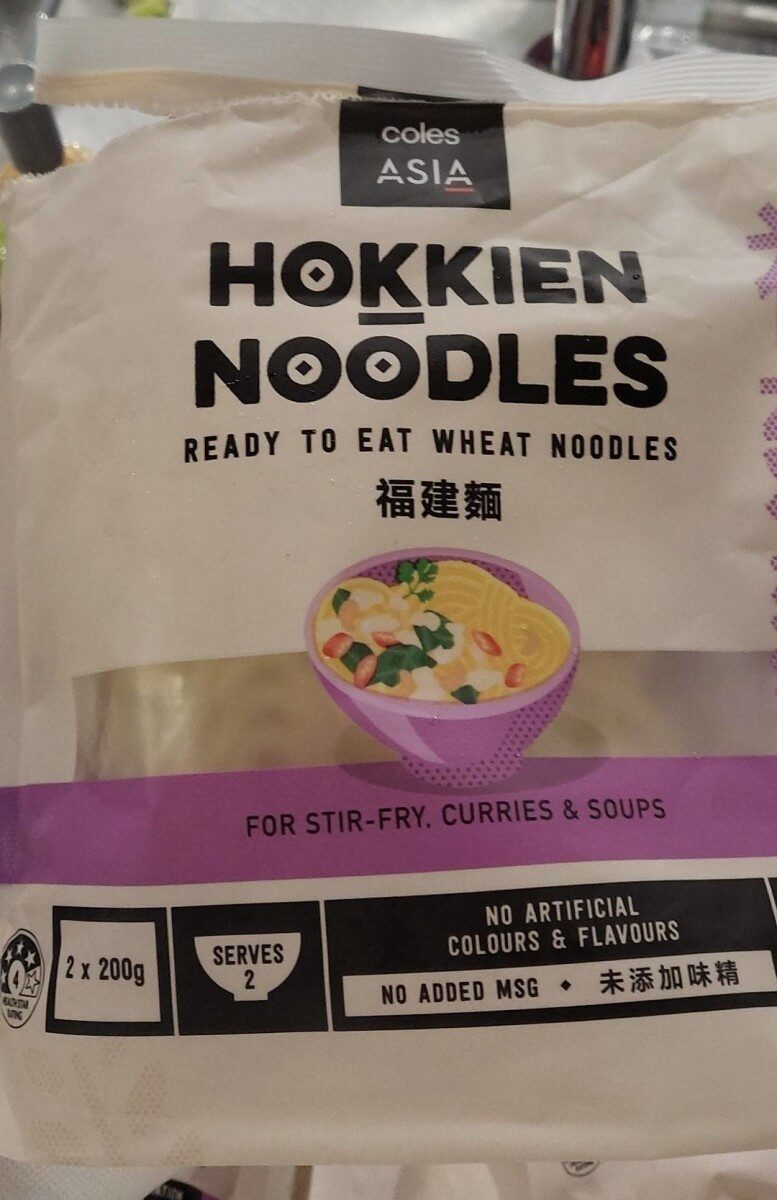
Hokkien noodlesNeutral
Hokkien noodles are a staple carbohydrate source in many Asian cuisines. They are typically made from wheat flour and water, providing energy through carbohydrates. However, they are low in fiber and protein, which limits their nutritional benefits.
Risks
High carbohydrate content can contribute to blood sugar spikes if consumed in excess.
Benefits
Provides a quick source of energy due to its carbohydrate content.
OilNeutral
The type of oil used is unspecified, which makes it difficult to assess its health impact. Oils can range from healthy options like olive oil to less healthy seed oils. Without specific information, the health impact remains neutral.
Risks
Potential health risks depend on the type of oil; seed oils may promote inflammation.
Benefits
Provides essential fatty acids and can aid in the absorption of fat-soluble vitamins.
Soy sauceNeutral
Soy sauce is a fermented condiment that adds umami flavor to dishes. It contains sodium, which can contribute to high blood pressure if consumed in excess. Soy sauce is used in moderation to enhance flavor.
Risks
High sodium content may contribute to hypertension if consumed in large amounts.
Benefits
Adds flavor to dishes and contains some antioxidants from fermentation.
WaterNeutral
Water is essential for hydration and is a key component in cooking. It has no calories or nutrients but is vital for bodily functions. Water is used to adjust the consistency of dishes.
Benefits
Essential for hydration and bodily functions.
SaltNeutral
Salt is used to enhance flavor and preserve food. It is essential in small amounts for bodily functions but can contribute to high blood pressure if consumed excessively. Salt is a common seasoning in many dishes.
Risks
Excessive consumption can lead to hypertension and cardiovascular issues.
Benefits
Essential for maintaining fluid balance and nerve function in moderation.
Wheat glutenNeutral
Wheat gluten is a protein found in wheat that provides elasticity to dough. It is used to improve the texture of baked goods and noodles. While it is a protein source, it may cause issues for those with gluten intolerance.
Risks
May cause allergic reactions in individuals with gluten intolerance or celiac disease.
Benefits
Provides protein and improves the texture of baked goods.
Non-dairy lactic acidNeutral
Non-dairy lactic acid is used as a preservative and flavor enhancer. It is produced through fermentation and is generally recognized as safe. It does not provide significant nutritional benefits.
Benefits
Used to enhance flavor and preserve food.
Wheat flourBad
Refined grain flour stripped of bran and germ.
Risks
May cause allergic reactions in individuals with gluten intolerance or celiac disease.
Benefits
Provides energy through carbohydrates and some protein.
Sunflower oilVery Bad
Sunflower oil is a seed oil high in omega-6 fatty acids, which can promote inflammation when consumed in excess. It is often highly processed and lacks significant nutritional benefits. Compared to healthier oils, it is less favorable due to its fatty acid profile.
Risks
High omega-6 content may promote inflammation when consumed in excess.
Processing
Processed Foods
Get the full breakdown in the Scout appTake Scout shopping
Scan any product to see lab results, healthy alternatives, and your personalized analysis.
Download on theApp Store GET IT ONGoogle Play