
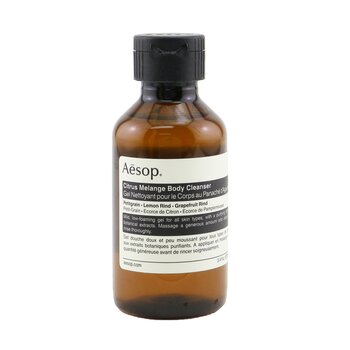
Aesop Citrus Melange Body Cleanser, Size 3.4 oz
Summary
This body cleanser contains beneficial natural ingredients like glycerin and essential oils, which provide moisturizing and aromatic benefits. However, the presence of synthetic compounds such as PEG-40 Hydrogenated Castor Oil, Polysorbate 60, and Phenoxyethanol, which may contain impurities and cause skin irritation, lowers its overall safety profile. The product's processing level and inclusion of these potentially harmful ingredients prevent it from achieving a higher score.
At a glance
Key ingredients 22
WaterNeutral
Water is a neutral ingredient primarily used as a solvent in personal care products. It helps dissolve other ingredients and provides a base for the formulation. No significant health risks identified for this ingredient.
See more about Water →Sodium Laurylglucosides HydroxypropylsulfonateNeutral
This ingredient is a mild surfactant used for its cleansing properties. It is derived from natural sources and is considered less irritating than traditional sulfates. No significant health risks identified for this ingredient.
Benefits
Provides gentle cleansing without stripping the skin of natural oils.
Cocamidopropyl BetaineNeutral
Cocamidopropyl Betaine is a surfactant and foam booster derived from coconut oil. It is commonly used to enhance the texture and feel of personal care products. Some individuals may experience skin irritation or allergic reactions.
Risks
Potential for skin irritation or allergic reactions in sensitive individuals.
Benefits
Enhances foam and improves the texture of the product.
GlycerinVery Good
Glycerin is a humectant that attracts moisture to the skin, helping to maintain hydration. It is derived from natural sources and is widely used for its moisturizing properties. It is well-tolerated by most skin types and enhances skin barrier function.
Benefits
Excellent moisturizing properties that help maintain skin hydration.
Sodium Methyl Cocoyl TaurateGood
This ingredient is a mild surfactant derived from coconut oil and taurine. It is used for its gentle cleansing properties and is less likely to cause irritation compared to harsher surfactants. It is suitable for sensitive skin and helps maintain skin's natural moisture balance.
Benefits
Provides gentle cleansing suitable for sensitive skin.
PEG-40 Hydrogenated Castor OilBad
PEG-40 Hydrogenated Castor Oil is an emulsifier and surfactant that helps blend oil and water-based ingredients. It is a synthetic ingredient that may contain impurities such as ethylene oxide and 1,4-dioxane. These impurities are potential carcinogens and may cause skin irritation.
Risks
Potential contamination with carcinogenic impurities like ethylene oxide and 1,4-dioxane.
Sodium ChlorideNeutral
Sodium Chloride, or table salt, is used to thicken and stabilize formulations. It is a natural ingredient with minimal processing. No significant health risks identified for this ingredient.
Benefits
Helps stabilize and thicken formulations.
Polysorbate 60Bad
Polysorbate 60 is an emulsifier used to mix oil and water-based ingredients. It is a synthetic compound that may contain impurities from its production process. These impurities can cause skin irritation and potential allergic reactions.
Risks
Potential for skin irritation and allergic reactions due to impurities.
Glyceryl CaprylateGood
Glyceryl Caprylate is a natural emulsifier and skin conditioning agent derived from glycerin and caprylic acid. It helps maintain the stability of formulations and provides antimicrobial properties. It is well-tolerated and suitable for sensitive skin.
Benefits
Provides antimicrobial properties and enhances skin conditioning.
PhenoxyethanolBad
Phenoxyethanol is a preservative used to prevent microbial growth in products. It is a synthetic compound that can cause skin irritation and allergic reactions in some individuals. It is considered a potential endocrine disruptor and should be used with caution.
Risks
Potential for skin irritation, allergic reactions, and endocrine disruption.
PEG-120 Methyl Glucose DioleateNeutral
This ingredient is an emulsifier and thickening agent used to improve the texture of formulations. It is a synthetic compound that may contain impurities from its production process. No significant health risks identified for this ingredient.
Benefits
Improves texture and stability of formulations.
Citrus Grandis (Grapefruit) Peel OilGood
Grapefruit Peel Oil is a natural essential oil known for its refreshing scent and potential antimicrobial properties. It is derived from the peel of grapefruits and is used for its aromatic and skin-conditioning benefits. It may cause photosensitivity in some individuals.
Risks
Potential for photosensitivity and skin irritation in sensitive individuals.
Benefits
Provides a refreshing scent and potential antimicrobial benefits.
Citrus Medica Limonum (Lemon) Peel OilGood
Lemon Peel Oil is a natural essential oil with a fresh scent and potential antimicrobial properties. It is derived from lemon peels and is used for its aromatic and skin-conditioning benefits. It may cause photosensitivity in some individuals.
Risks
Potential for photosensitivity and skin irritation in sensitive individuals.
Benefits
Provides a fresh scent and potential antimicrobial benefits.
Sodium DehydroacetateNeutral
Sodium Dehydroacetate is a preservative used to inhibit microbial growth in formulations. It is a synthetic compound that is generally considered safe for use in personal care products. No significant health risks identified for this ingredient.
Benefits
Helps preserve the product by inhibiting microbial growth.
Coconut AcidGood
Coconut Acid is a natural fatty acid derived from coconut oil, used for its cleansing and skin-conditioning properties. It is minimally processed and provides a gentle cleansing action. It is well-tolerated by most skin types.
Benefits
Provides gentle cleansing and skin-conditioning benefits.
Citrus Aurantium Amara (Bitter Orange) Leaf/Twig OilGood
Bitter Orange Leaf/Twig Oil is a natural essential oil with a refreshing scent and potential antimicrobial properties. It is derived from the leaves and twigs of the bitter orange tree. It may cause photosensitivity in some individuals.
Risks
Potential for photosensitivity and skin irritation in sensitive individuals.
Benefits
Provides a refreshing scent and potential antimicrobial benefits.
Citric AcidNeutral
Citric Acid is used to adjust the pH of formulations and acts as a mild preservative. It is naturally derived from citrus fruits and is widely used in personal care products. No significant health risks identified for this ingredient.
Benefits
Helps maintain the pH balance of the product.
Jasminum Officinale (Jasmine) OilGood
Jasmine Oil is a natural essential oil known for its pleasant fragrance and skin-conditioning properties. It is derived from jasmine flowers and is used for its aromatic and soothing benefits. It is generally well-tolerated by most skin types.
Benefits
Provides a pleasant fragrance and soothing skin benefits.
TocopherolVery Good
Tocopherol, or Vitamin E, is a powerful antioxidant that helps protect the skin from free radical damage. It is derived from natural sources and is widely used for its skin-conditioning and anti-aging properties. It enhances the stability of formulations and supports skin health.
Benefits
Provides antioxidant protection and supports skin health.
LimoneneNeutral
Limonene is a naturally occurring compound found in citrus oils, used for its fragrance and potential antimicrobial properties. It is derived from citrus peels and is commonly used in personal care products. It may cause skin irritation or allergic reactions in sensitive individuals.
Risks
Potential for skin irritation or allergic reactions in sensitive individuals.
Benefits
Provides a citrus fragrance and potential antimicrobial benefits.
LinaloolNeutral
Linalool is a naturally occurring terpene alcohol found in many flowers and spice plants, used for its fragrance. It is derived from natural sources and is commonly used in personal care products. It may cause skin irritation or allergic reactions in sensitive individuals.
Risks
Potential for skin irritation or allergic reactions in sensitive individuals.
Benefits
Provides a floral fragrance to the product.
CitralNeutral
Citral is a naturally occurring compound found in citrus oils, used for its lemon scent and potential antimicrobial properties. It is derived from natural sources and is commonly used in personal care products. It may cause skin irritation or allergic reactions in sensitive individuals.
Risks
Potential for skin irritation or allergic reactions in sensitive individuals.
Benefits
Provides a lemon scent and potential antimicrobial benefits.
Processing
Processed Foods
Get the full breakdown in the Scout app
Scan any product to see lab results, healthy alternatives, and your personalized analysis.
Download on theApp Store