
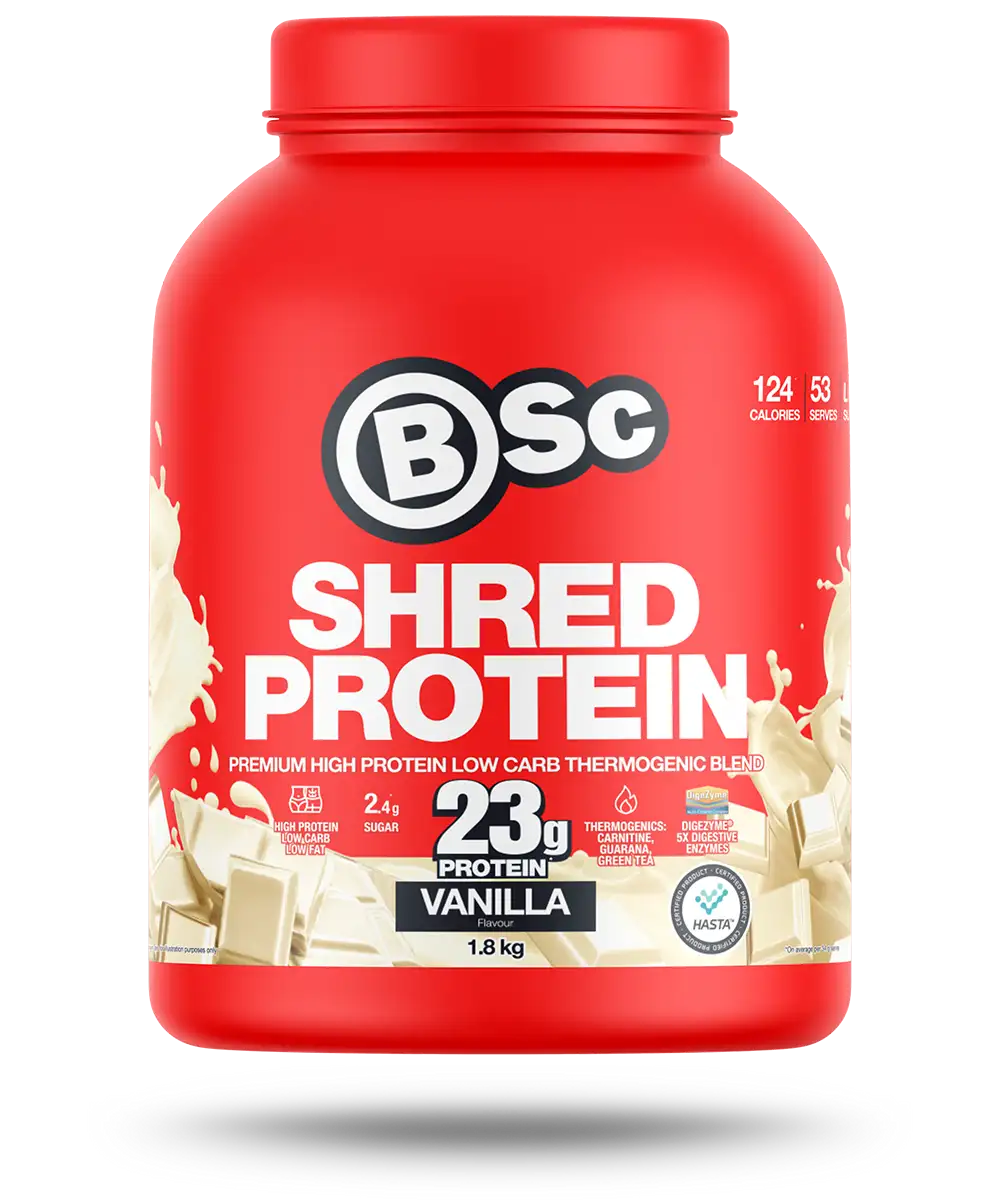


SHRED PROTEIN
Summary
This protein supplement contains high-quality protein sources like whey protein concentrate and isolate, which are beneficial for muscle growth and recovery. However, the presence of sucralose, an artificial sweetener, and soy lecithin, a processed emulsifier, detracts from its overall health profile. The inclusion of vague 'flavour' and multiple additives also suggests a higher level of processing, which impacts the score negatively.
At a glance
Key ingredients 10
Whey Protein ConcentrateVery Good
Whey protein concentrate is a high-quality animal-based protein source with a rich amino acid profile. It is minimally processed compared to other protein forms, retaining more nutrients. It supports muscle growth and recovery, making it ideal for athletes and fitness enthusiasts.
Benefits
Rich in essential amino acids and supports muscle protein synthesis.
Milk Protein ConcentrateGood
Milk protein concentrate provides a balanced mix of casein and whey proteins, offering sustained amino acid release. It is a versatile protein source that can be used in various dietary applications. The processing retains most of the milk's natural proteins, making it a beneficial ingredient.
Benefits
Provides both fast and slow-digesting proteins, supporting muscle maintenance and growth.
Whey Protein IsolateVery Good
Whey protein isolate is a highly purified form of whey protein with minimal lactose and fat content. It is ideal for those seeking a lean protein source with rapid absorption. The high protein content supports muscle repair and growth effectively.
Benefits
Highly bioavailable protein source that aids in muscle recovery and growth.
FlavourBad
The term 'flavour' is vague and can include a variety of artificial and natural compounds. Without specific details, it is difficult to assess the health impact accurately. Such ingredients can sometimes contain additives or allergens not disclosed on the label.
Risks
Potential for undisclosed allergens or artificial additives.
Soy LecithinBad
Soy lecithin is used as an emulsifier to improve texture and mixability in products. It is a processed ingredient derived from soybeans, which may be genetically modified. While generally considered safe, it can be a concern for those with soy allergies.
Risks
May cause allergic reactions in individuals sensitive to soy.
Benefits
Improves product texture and mixability.
SucraloseBad
Sucralose is an artificial sweetener used to provide sweetness without calories. It is chemically altered to be non-caloric, which raises concerns about its long-term health effects. Some studies suggest it may affect gut health and insulin response.
Risks
Potential impact on gut microbiota and insulin sensitivity.
Benefits
Provides sweetness without adding calories.
L-CarnitineGood
L-Carnitine is an amino acid derivative that plays a role in energy production by transporting fatty acids into mitochondria. It is often used in supplements to support fat metabolism and improve exercise performance. Its effectiveness can vary based on individual metabolism and dosage.
Benefits
Supports fat metabolism and may enhance exercise performance.
DigeZymeGood
DigeZyme is a blend of digestive enzymes that aid in the breakdown of proteins, carbohydrates, and fats. It can enhance nutrient absorption and reduce digestive discomfort. The inclusion of multiple enzymes makes it versatile for improving overall digestion.
Benefits
Improves digestion and nutrient absorption.
Silicon DioxideNeutral
Silicon dioxide is used as an anticaking agent to prevent clumping in powdered products. It is generally recognized as safe and is used in small amounts. It does not contribute any nutritional value to the product.
See more about Silicon Dioxide →Green Tea ExtractNeutral
Green tea extract is derived from the leaves of the Camellia sinensis plant and contains antioxidants like catechins. It is often included for its potential health benefits, such as supporting metabolism and providing antioxidant protection. The caffeine content is typically low, making it a mild stimulant.
Benefits
Contains antioxidants that may support metabolic health.
Processing
Ultra-Processed Foods
Get the full breakdown in the Scout app
Scan any product to see lab results, healthy alternatives, and your personalized analysis.
Download on theApp Store