

At a glance
Summary
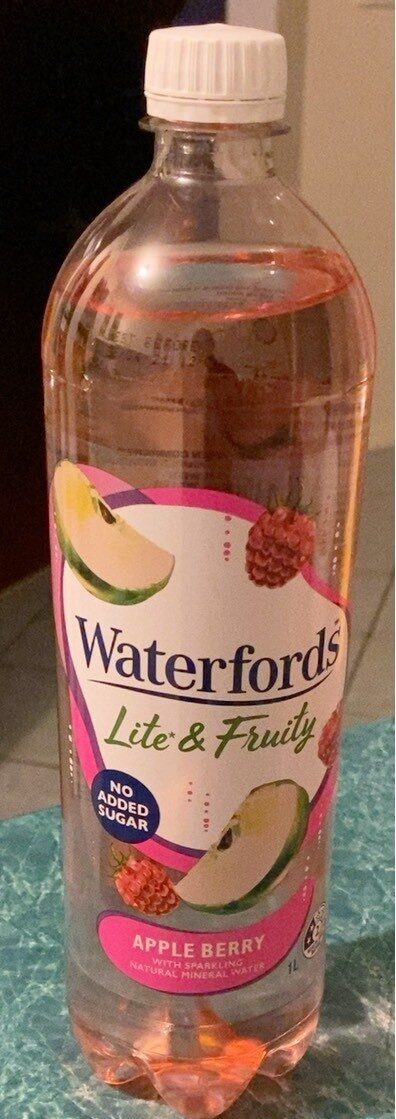
This sparkling water contains reconstituted fruit juices, which provide natural flavors and some vitamins, enhancing the beverage without artificial additives. However, the presence of sodium benzoate as a preservative raises health concerns due to its potential to form benzene, a carcinogen, when combined with vitamin C. The product is minimally processed, but the use of preservatives impacts its overall healthiness.
Key ingredients 5
Reconstituted Fruit JuicesGood
Reconstituted fruit juices, such as apple and raspberry, provide natural flavors and some vitamins. The reconstitution process involves adding water back to concentrated juice, which retains most of the original nutrients. These juices can enhance the flavor profile of the beverage without artificial additives.
Risks
May contain natural sugars, which should be consumed in moderation.
Benefits
Offers natural fruit flavors and some vitamins, contributing to a more enjoyable taste experience.
Carbonated WaterNeutral
Carbonated water is simply water infused with carbon dioxide gas under pressure. It is generally considered neutral in terms of health impact, providing hydration without additional calories or sugars. The carbonation process does not significantly alter the nutritional profile of the water.
Benefits
Provides hydration and can be a refreshing alternative to still water.
Food Acid (Citric)Neutral
Citric acid is commonly used as a preservative and flavor enhancer in beverages. It is naturally found in citrus fruits and is generally recognized as safe. The acid can help balance the sweetness and enhance the overall flavor profile of the drink.
Risks
Excessive consumption may lead to dental erosion over time.
Benefits
Acts as a natural preservative and enhances flavor without adding calories.
Natural FlavourNeutral
Natural flavors are derived from natural sources such as fruits, vegetables, or spices. They are used to enhance the taste of the product without adding artificial chemicals. The extraction process typically involves distillation or solvent extraction, which preserves the natural essence.
Benefits
Enhances the taste of the beverage using natural sources.
Preservatives (211)Bad
Preservative 211, also known as sodium benzoate, is used to prevent spoilage and extend shelf life. It is effective in acidic environments but can form benzene, a carcinogen, when combined with vitamin C. The use of this preservative is controversial due to potential health concerns.
Risks
May form benzene when combined with vitamin C, posing a potential cancer risk.
Benefits
Helps to extend the shelf life of the product by preventing microbial growth.
Processing
Unprocessed or Minimally Processed Foods
Get the full breakdown in the Scout appTake Scout shopping
Scan any product to see lab results, healthy alternatives, and your personalized analysis.
Download on theApp Store GET IT ONGoogle Play