
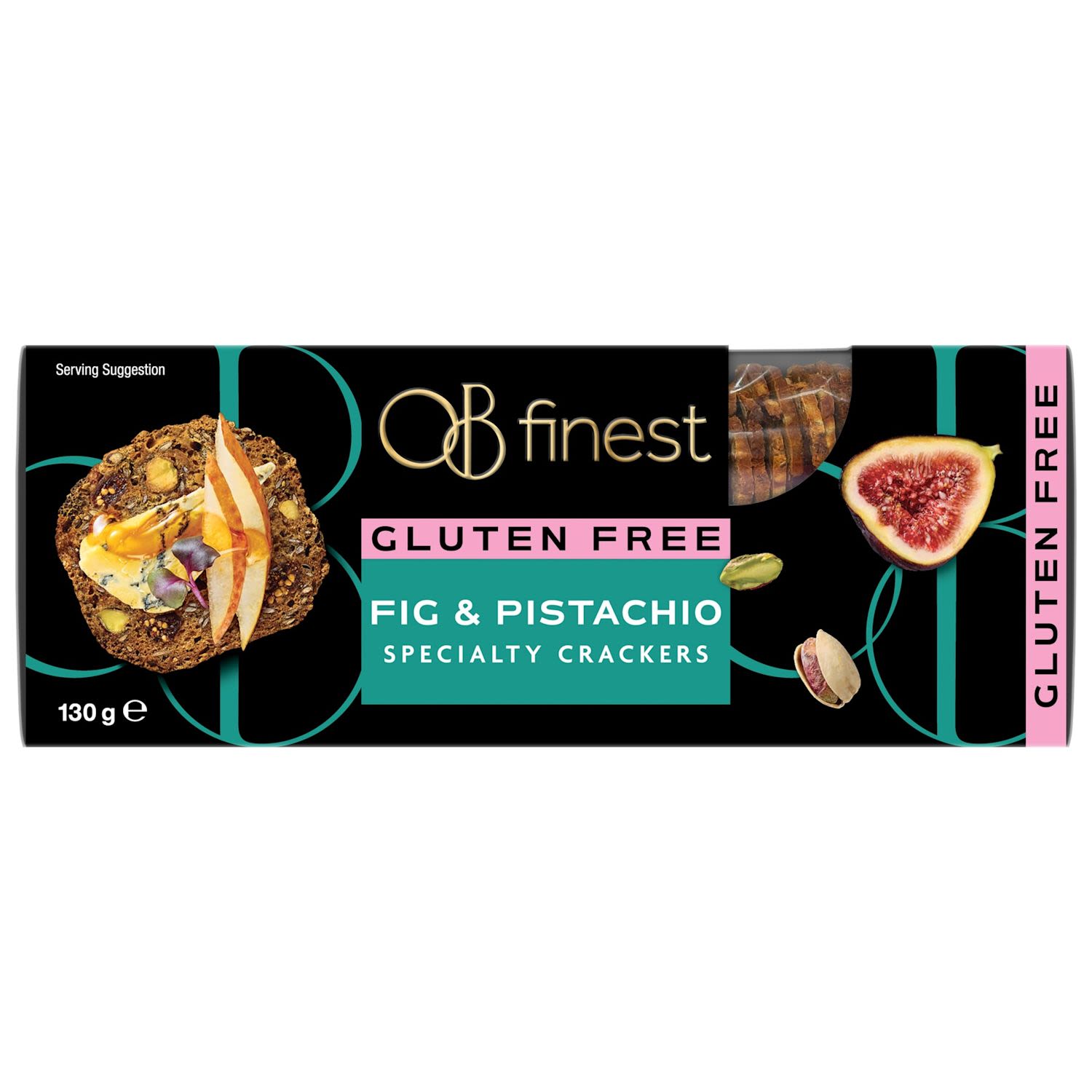


Fig & Pistachio Specialty Crackers
Summary
The Fig & Pistachio Specialty Crackers contain beneficial ingredients like flaxseeds, figs, and pistachios, which offer nutritional benefits such as fiber and healthy fats. However, the product is heavily processed with multiple additives and a significant amount of added sugar, which detracts from its overall healthiness. The high level of processing and presence of raw sugar limit its score despite the presence of some nutritious components.
At a glance
Key ingredients 15
Rice FlourNeutral
Rice flour is a common gluten-free alternative used in baking. It is made by milling rice grains into a fine powder. While it provides a gluten-free option, it lacks significant nutritional benefits compared to whole grains.
Benefits
Provides a gluten-free alternative for those with celiac disease or gluten sensitivity.
Tapioca StarchNeutral
Tapioca starch is a refined carbohydrate extracted from the cassava root. It is often used as a thickening agent in gluten-free products. While it is easy to digest, it offers minimal nutritional value.
Benefits
Provides a gluten-free thickening option for various recipes.
FlaxseedsVery Good
Flaxseeds are rich in omega-3 fatty acids and fiber, promoting heart health and digestive wellness. They contain lignans, which have antioxidant properties. Regular consumption can support cardiovascular health and reduce inflammation.
Risks
May cause digestive discomfort if consumed in large quantities.
Benefits
Rich in omega-3 fatty acids and fiber, supporting heart health and digestion.
Diced FigsGood
Diced figs provide natural sweetness and are a source of dietary fiber and essential minerals. They contain antioxidants that can help reduce oxidative stress. Figs offer a healthier alternative to refined sugars in snacks.
Risks
High natural sugar content may affect blood sugar levels if consumed in excess.
Benefits
Provide natural sweetness and are rich in fiber and antioxidants.
Raw SugarBad
Raw sugar is a less refined form of sugar but still contributes to added sugar intake. It can lead to increased calorie consumption without providing essential nutrients. Excessive consumption may contribute to weight gain and metabolic issues.
Risks
High intake can lead to weight gain and increased risk of metabolic disorders.
Benefits
Provides sweetness but lacks significant nutritional benefits.
Maize StarchNeutral
Maize starch is a refined carbohydrate used as a thickening agent. It is derived from corn and is commonly used in processed foods. While it is gluten-free, it offers minimal nutritional benefits.
Benefits
Provides a gluten-free thickening option for various recipes.
HoneyGood
Honey is a natural sweetener with antioxidant and antimicrobial properties. It contains trace amounts of vitamins and minerals. Compared to refined sugars, honey offers a more natural alternative with potential health benefits.
Risks
High sugar content may affect blood sugar levels if consumed in excess.
Benefits
Natural sweetener with antioxidant properties and trace nutrients.
PistachiosVery Good
Pistachios are a nutrient-dense nut rich in healthy fats, protein, and antioxidants. They support heart health and provide essential vitamins and minerals. Regular consumption can aid in weight management and improve lipid profiles.
Risks
May cause allergic reactions in individuals with nut allergies.
Benefits
Rich in healthy fats, protein, and antioxidants, supporting heart health.
Greek YoghurtGood
Greek yoghurt is a high-protein dairy product with probiotics that support gut health. It is made by straining regular yoghurt to remove whey, resulting in a thicker consistency. It provides calcium and other essential nutrients.
Risks
Contains lactose, which may cause issues for those with lactose intolerance.
Benefits
High in protein and probiotics, supporting gut and bone health.
Raising Agent (500)Neutral
Raising agent 500, also known as sodium bicarbonate, is used to leaven baked goods. It is a common and safe food additive. It helps improve texture and volume in baked products.
Benefits
Improves texture and volume in baked goods.
SaltNeutral
Salt is used to enhance flavor and preserve food. It is essential for various bodily functions but should be consumed in moderation. Excessive intake can lead to hypertension and cardiovascular issues.
Risks
High intake can lead to hypertension and cardiovascular issues.
Benefits
Enhances flavor and is essential for bodily functions in moderation.
Vegetable Gum (415)Neutral
Vegetable gum 415, also known as xanthan gum, is used as a thickening and stabilizing agent. It is produced by fermenting sugar with a specific strain of bacteria. While it is generally safe, it offers no nutritional benefits.
Risks
May cause digestive discomfort in sensitive individuals.
Benefits
Provides thickening and stabilizing properties in food products.
Humectants (420, 1520)Neutral
Humectants 420 and 1520 are used to retain moisture in food products. They are commonly used in processed foods to improve texture and shelf life. While generally safe, they offer no nutritional benefits.
Benefits
Help retain moisture and improve texture in food products.
Emulsifiers (471, 475)Neutral
Emulsifiers 471 and 475 are used to stabilize and improve the texture of processed foods. They are derived from fats and are commonly used in baked goods. While generally safe, they offer no nutritional benefits.
Benefits
Improve texture and stability in processed foods.
Acidity Regulator (570)Neutral
Acidity regulator 570, also known as stearic acid, is used to control the acidity of food products. It is a naturally occurring fatty acid found in various animal and plant fats. While it is generally safe, it offers no nutritional benefits.
Benefits
Helps control acidity and improve stability in food products.
Processing
Ultra-Processed Foods
Get the full breakdown in the Scout app
Scan any product to see lab results, healthy alternatives, and your personalized analysis.
Download on theApp Store