



At a glance
Summary
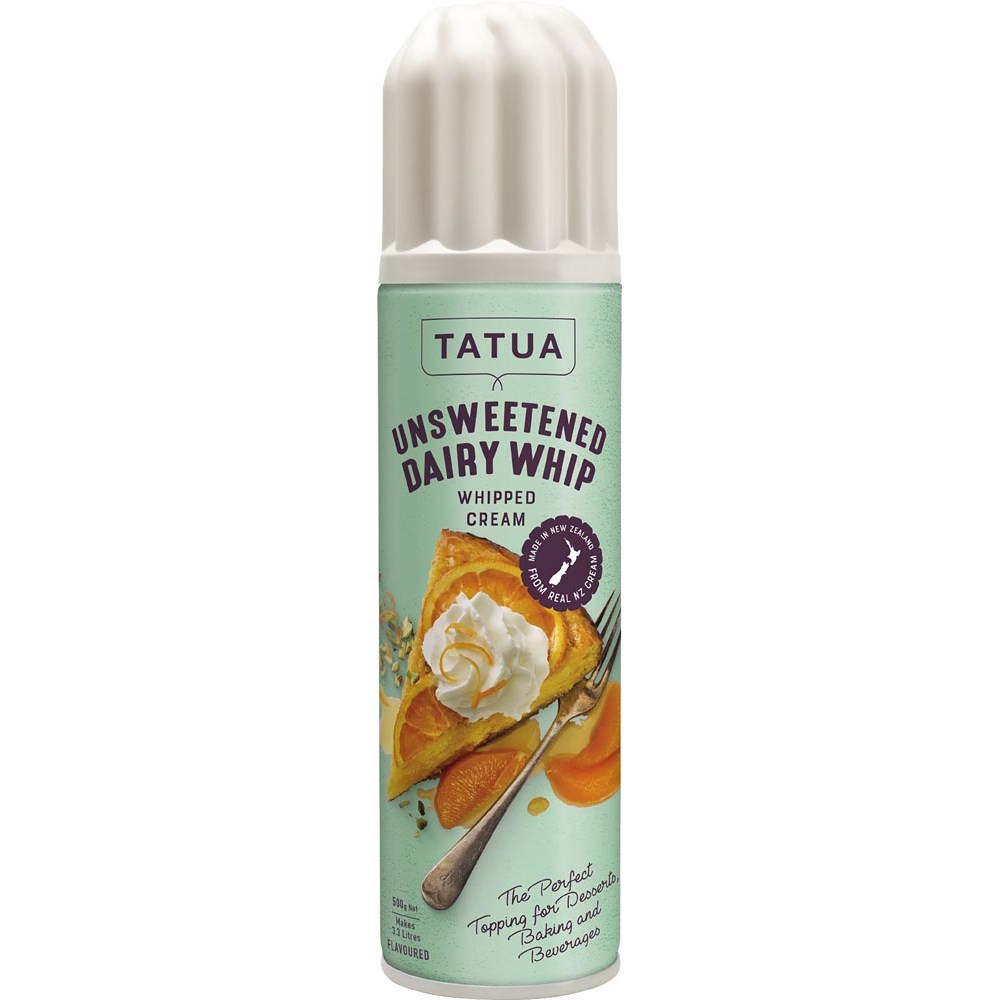
This whipped cream is ultra-processed, containing several additives including emulsifiers and carrageenan, which are used to stabilize and thicken the product. While the primary ingredient is cream, the presence of these additives and the high level of processing reduce its overall healthiness. Additionally, carrageenan has been associated with digestive issues, further impacting the product's score.
Key ingredients 5
CreamGood
Traditional whole-fat dairy ingredient.
Risks
High in saturated fat, which may contribute to heart disease if consumed in excess.
Benefits
Provides a source of calcium and vitamin A, which are beneficial for bone health and vision.
Nitrous oxideNeutral
Nitrous oxide is used as a propellant in whipped cream products. It is generally considered safe for use in food products. It does not contribute any nutritional value.
E401Neutral
E401, or sodium alginate, is a natural thickening agent derived from brown seaweed. It is used to improve texture and stability in food products. It is generally considered safe for consumption.
Benefits
Provides improved texture and stability in food products without significant nutritional benefits.
E471Bad
E471 is a mono- and diglyceride emulsifier derived from fats, often used to stabilize food products. It is a processed ingredient that can be derived from both animal and plant sources. Its consumption is generally safe but may be of concern for those avoiding processed additives.
Risks
May contain trans fats if not properly processed, which are linked to heart disease.
Benefits
Helps maintain texture and consistency in food products.
E407Bad
E407, or carrageenan, is a thickening agent derived from red seaweed. It is used to improve texture but has been linked to digestive issues in some individuals. Its safety is debated, with some studies suggesting potential inflammatory effects.
Risks
May cause digestive issues and inflammation in sensitive individuals.
Benefits
Improves texture and stability in food products.
Processing
Ultra-Processed Foods
Get the full breakdown in the Scout appTake Scout shopping
Scan any product to see lab results, healthy alternatives, and your personalized analysis.
Download on theApp Store GET IT ONGoogle Play