



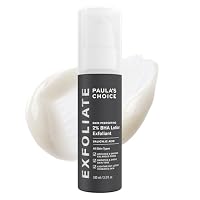

Paula's Choice Clinical 1% Retinol Treatment
At a glance
Summary
This product contains several beneficial ingredients such as retinol, sodium hyaluronate, and ceramide 2, which are known for their anti-aging and hydrating properties. However, the presence of phenoxyethanol, a preservative that can cause skin irritation, slightly detracts from its overall safety profile. The formulation is processed, which limits its score despite the inclusion of effective skin actives.
Key ingredients 9
RetinolVery Good
Retinol is a form of Vitamin A known for its anti-aging benefits. It promotes cell turnover and improves skin texture.
Risks
Retinol can cause irritation, redness, and peeling, especially in sensitive skin.
Benefits
It reduces the appearance of fine lines and wrinkles and improves skin tone.
Tetrahexyldecyl AscorbateVery Good
Tetrahexyldecyl Ascorbate is a stable form of Vitamin C. It is used for its antioxidant properties and ability to brighten the skin.
Risks
There are minimal risks, though some may experience mild irritation.
Benefits
It helps in collagen production and reduces signs of aging.
Ceramide 2Very Good
Ceramide 2 is a lipid that helps restore the skin barrier. It is crucial for maintaining skin hydration and integrity.
Risks
There are minimal risks, though some may experience sensitivity.
Benefits
It strengthens the skin barrier and prevents moisture loss.
Palmitoyl OligopeptideVery Good
Palmitoyl Oligopeptide is a peptide used for its anti-aging benefits. It stimulates collagen production and improves skin elasticity.
Risks
There are minimal risks, though some may experience mild irritation.
Benefits
It helps reduce the appearance of wrinkles and improves skin firmness.
GlycerinGood
Glycerin is a humectant that attracts moisture to the skin. It is widely used for its hydrating properties.
Risks
There are minimal risks associated with glycerin, though overuse can lead to a sticky feeling.
Benefits
It helps maintain skin hydration and improves skin barrier function.
Sodium HyaluronateGood
Sodium Hyaluronate is a form of hyaluronic acid that provides intense hydration. It is known for its ability to hold water and plump the skin.
Risks
There are minimal risks associated with its use.
Benefits
It enhances skin moisture and reduces the appearance of fine lines.
AquaNeutral
Aqua, or water, is a common solvent used in cosmetics. It helps dissolve other ingredients and provides a base for the formulation.
Risks
There are no significant risks associated with water in cosmetics.
Benefits
Water is essential for hydration and helps in the application of the product.
DimethiconeBad
Occlusive silicone film-former — flagged under clean-beauty doctrine.
Risks
Some individuals may experience skin irritation or breakouts from silicones.
Benefits
It provides a silky texture and can help improve the appearance of fine lines.
PhenoxyethanolBad
Phenoxyethanol is a preservative used to prevent microbial growth. It is considered a safer alternative to parabens.
Risks
It can cause skin irritation and allergic reactions in some individuals.
Benefits
It helps maintain product integrity by preventing bacterial contamination.
Get the full breakdown in the Scout appTake Scout shopping
Scan any product to see lab results, healthy alternatives, and your personalized analysis.
Download on theApp Store GET IT ONGoogle PlayAmazon pricing & content
Amazon price as of . Product prices and availability are accurate as of the date/time indicated and are subject to change. Any price and availability information displayed on Amazon.com at the time of purchase will apply to the purchase of this product.
CERTAIN CONTENT THAT APPEARS ON THIS SITE COMES FROM AMAZON. THIS CONTENT IS PROVIDED “AS IS” AND IS SUBJECT TO CHANGE OR REMOVAL AT ANY TIME.