
Ingredient
Monosodium Glutamate (MSG)
What is Monosodium Glutamate (MSG)?
Monosodium Glutamate (MSG) is a flavor enhancer commonly used in food products to provide umami, a savory taste. It is produced by fermenting starches or sugars and then neutralizing the resulting glutamic acid with sodium.
MSG is widely used in processed foods, snacks, and restaurant cuisines to enhance the flavor profile. The health evidence regarding MSG is mixed; some studies suggest that large doses may cause transient symptoms like headaches or flushing in sensitive individuals, while others find no adverse effects with typical dietary exposure levels.
For those concerned about MSG, it is worth noting its labeling as E621 in packaged foods, which helps consumers identify its presence.
Commonly found in: soups, snack foods, processed meats, condiments, frozen entrees
What to watch
- Some people may experience mild symptoms like headaches or flushing when consuming large amounts of MSG.
Benefits
- MSG enhances the umami flavor in foods, allowing for reduced sodium content while maintaining taste.
The FDA considers MSG as "Generally Recognized as Safe" (GRAS) when used appropriately in food products.
Research shows mixed findings, with some studies reporting adverse effects at high doses, but no strong evidence of harm at typical consumption levels.
MSG is not derived from animal products and is generally considered vegan-friendly.
Sources: FDA Overview of Monosodium Glutamate · Scientific Opinion on Glutamates in Food
Scout's take
Excitotoxic flavor enhancer that overstimulates taste receptors. Stacked with disodium inosinate and disodium guanylate for amplified effect.
More from Scout's analyses
Excitotoxic flavor enhancer that overstimulates taste receptors. Linked to headaches, flushing, and appetite dysregulation in sensitive individuals.
from the analysis of Cheetos CrunchyFound in 3 products

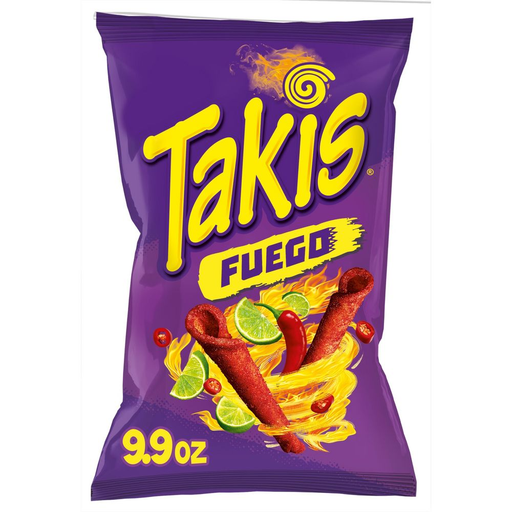
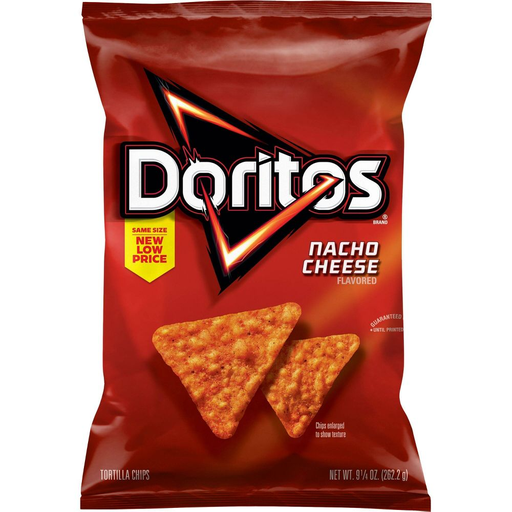
Scan any product to see every ingredient explained — and healthier swaps.
Download on theApp Store GET IT ONGoogle Play