
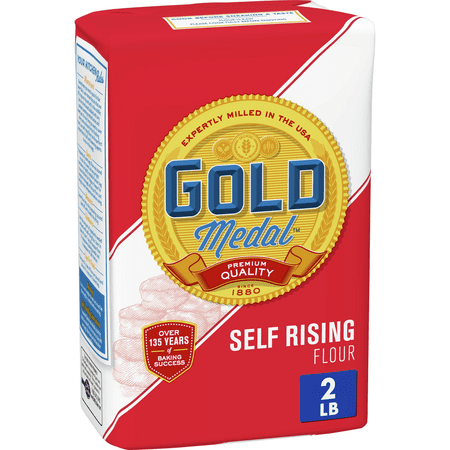



Gold Medal Self-Rising Flour
Analysis updated April 2026 · How Scout scores
At a glance
Summary
Gold Medal Self-Rising Flour is a processed product with a moderate level of additives, including leavening agents and vitamins. While it contains beneficial nutrients like iron and B vitamins, the presence of multiple additives and its processed nature limit its score. The product does not contain harmful ingredients like artificial dyes or high-fructose corn syrup, which helps maintain a reasonable rating.
Key ingredients 11
Monocalcium phosphateGood
Monocalcium phosphate is a leavening agent that reacts with baking soda to produce carbon dioxide gas. It is a source of calcium and is used to improve the texture of baked goods. It is commonly used in baking powders for its effectiveness.
Benefits
Contributes to the leavening process and provides a source of calcium.
NiacinGood
Niacin, also known as vitamin B3, is an essential nutrient that supports metabolism and energy production. It is often added to enriched flours to replace nutrients lost during processing. Niacin is important for maintaining healthy skin and nerves.
Benefits
Supports energy metabolism and is essential for overall health.
IronGood
Iron is a vital mineral necessary for the production of hemoglobin and oxygen transport in the blood. It is added to enriched flours to prevent deficiencies. Iron is crucial for energy production and immune function.
Risks
Excessive iron intake can lead to toxicity, but this is rare from dietary sources alone.
Benefits
Essential for oxygen transport and energy production in the body.
Thiamine mononitrateGood
Thiamine mononitrate is a form of vitamin B1, essential for carbohydrate metabolism and nerve function. It is added to enriched flours to replace nutrients lost during processing. Thiamine is crucial for energy production and neurological health.
Benefits
Supports energy metabolism and is essential for neurological health.
RiboflavinGood
Riboflavin, or vitamin B2, is essential for energy production and cellular function. It is added to enriched flours to replace nutrients lost during processing. Riboflavin is important for maintaining healthy skin and eyes.
Benefits
Supports energy production and is essential for maintaining healthy skin and eyes.
Bleached wheat flourNeutral
Bleached wheat flour is a refined flour that has been chemically treated to improve its baking properties. The bleaching process can reduce some nutrients, but it provides a finer texture for baked goods. It is commonly used in baking for its consistent results.
Risks
The bleaching process may reduce some nutritional content and could be a concern for those seeking whole grain options.
Benefits
Provides a fine texture and consistent results in baking, making it a staple in many recipes.
Baking sodaNeutral
Standard formulation ingredient — neither beneficial nor harmful at typical use.
Benefits
Essential for leavening in baking, contributing to the texture and volume of baked goods.
Sodium aluminum phosphateNeutral
Sodium aluminum phosphate is a leavening agent used in baking powders. It helps baked goods rise by releasing carbon dioxide when heated. It is considered safe for consumption in regulated amounts.
Risks
Excessive consumption of aluminum-containing compounds may be a concern, but typical dietary exposure is considered safe.
Benefits
Provides reliable leavening action in baking, contributing to the texture and volume of baked goods.
SaltNeutral
Salt is a common seasoning and preservative used to enhance flavor. It is essential for various bodily functions but should be consumed in moderation. In baking, it helps control yeast fermentation and strengthens gluten structure.
Risks
Excessive salt intake can lead to high blood pressure and other cardiovascular issues.
Benefits
Enhances flavor and plays a crucial role in the texture and structure of baked goods.
Calcium sulfateNeutral
Calcium sulfate is used as a firming agent and to enrich foods with calcium. It is a naturally occurring mineral that is considered safe for consumption. It is often used in baking to improve texture and nutritional content.
Benefits
Provides a source of calcium and helps improve the texture of baked goods.
Folic acidNeutral
Standard formulation ingredient — neither beneficial nor harmful at typical use.
Benefits
Essential for DNA synthesis and supports healthy fetal development.
Processing
Processed Foods
Get the full breakdown in the Scout appTake Scout shopping
Scan any product to see lab results, healthy alternatives, and your personalized analysis.
Download on theApp Store GET IT ONGoogle Play