
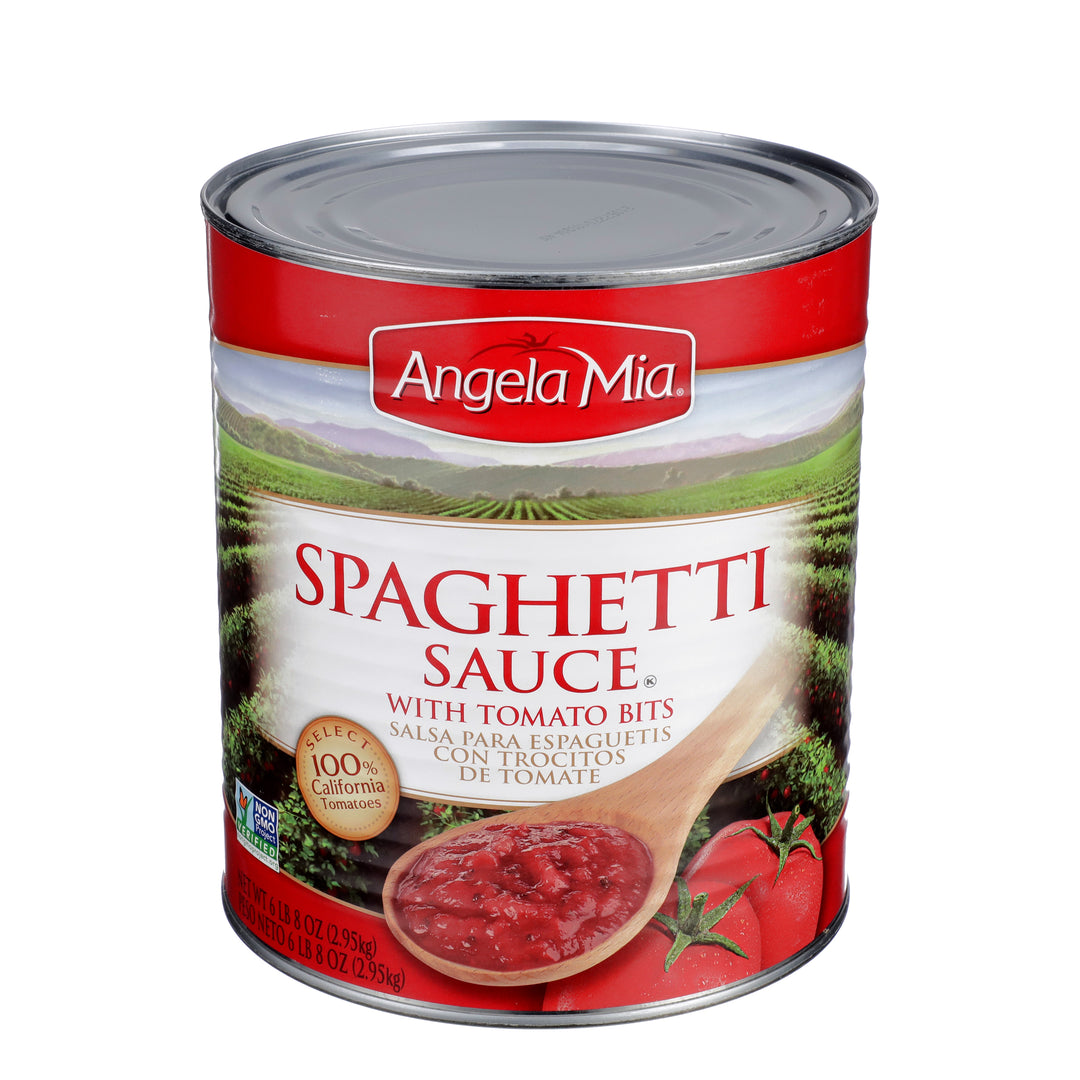


ANGELA MIA No Salt Added Spaghetti Sauce, Pouch, 6/104 oz., 104 OZ
Analysis updated May 2026 · How Scout scores
At a glance
Summary
This spaghetti sauce contains beneficial ingredients like tomato puree and extra virgin olive oil, which contribute to its nutritional value. However, it is classified as ultra-processed due to the presence of added sugar and natural flavors, which detract from its overall healthiness. The low sodium content is a positive aspect, but the processing level limits its score potential.
Key ingredients 13
Extra virgin olive oilVery Good
Extra virgin olive oil is a high-quality monounsaturated fat with anti-inflammatory properties. It contains antioxidants that support heart health. Cold-pressed extraction preserves beneficial compounds.
Benefits
Rich in monounsaturated fats that support heart health and provide anti-inflammatory properties. Contains antioxidants like vitamin E and polyphenols that may reduce oxidative stress.
Tomato pureeGood
Tomato puree is a concentrated source of tomatoes, providing a rich supply of vitamins and antioxidants. It is minimally processed, retaining most of the nutritional benefits of fresh tomatoes. The puree is a good source of lycopene, which has been linked to reduced risk of certain chronic diseases.
Benefits
Rich in vitamins A and C, and antioxidants like lycopene, which may support heart health and reduce inflammation.
TomatoesGood
Tomatoes are a whole food ingredient rich in vitamins, minerals, and antioxidants. They are a natural source of lycopene, which is beneficial for heart health. Fresh tomatoes contribute to the sauce's flavor and nutritional profile.
Benefits
Provides essential nutrients such as vitamin C, potassium, and lycopene, which may help reduce the risk of chronic diseases.
Modified corn starchNeutral
Modified corn starch is used as a thickening agent in processed foods. It is derived from corn and undergoes chemical modification to improve its functional properties. While it is generally considered safe, it provides no nutritional value.
See more about Modified corn starch →Dried onionNeutral
Dried onion is used for flavoring and retains some of the nutritional properties of fresh onions. It is a convenient form of onion that adds depth to the sauce. However, the drying process may reduce some of its vitamin content.
Benefits
Provides flavor and some antioxidants, although in reduced amounts compared to fresh onions.
Potassium chlorideNeutral
Potassium chloride is used as a salt substitute to reduce sodium content in foods. It provides potassium, an essential mineral for maintaining electrolyte balance. While beneficial in moderation, excessive intake can cause health issues.
Risks
Excessive consumption may lead to hyperkalemia, especially in individuals with kidney issues.
Benefits
Provides potassium, which is important for heart and muscle function.
Calcium chlorideNeutral
Calcium chloride is used as a firming agent in canned vegetables and fruits. It helps maintain texture and stability in processed foods. While it provides calcium, its contribution to dietary calcium intake is minimal.
Benefits
Provides a small amount of calcium, which is essential for bone health.
Dried basilNeutral
Dried basil is used for flavoring and retains some of the aromatic properties of fresh basil. It adds a distinct herbal note to the sauce. The drying process may reduce some of its volatile oils and nutrients.
Benefits
Adds flavor and some antioxidants, although in reduced amounts compared to fresh basil.
Dried oreganoNeutral
Dried oregano is a common herb used for its aromatic and flavor-enhancing properties. It retains some antioxidants and essential oils. The drying process may reduce its nutrient content compared to fresh oregano.
Benefits
Provides flavor and some antioxidants, although in reduced amounts compared to fresh oregano.
Dried parsleyNeutral
Dried parsley is used for its flavor and color in culinary applications. It retains some of the nutritional properties of fresh parsley, including vitamins and antioxidants. The drying process may reduce its vitamin content.
Benefits
Adds flavor and some vitamins, although in reduced amounts compared to fresh parsley.
Citric acidNeutral
Citric acid is a naturally derived acid used as a preservative and flavor enhancer. It is commonly found in citrus fruits and is generally recognized as safe. It helps maintain the acidity and freshness of the product.
Benefits
Helps preserve the product and enhance its flavor without significant nutritional benefits.
SugarBad
Refined sugar is added to enhance sweetness but offers no nutritional benefits. It is a source of empty calories and can contribute to weight gain and metabolic issues. Excessive consumption of sugar is linked to various health problems, including diabetes and heart disease.
Risks
High intake of refined sugar can lead to obesity, insulin resistance, and increased risk of chronic diseases.
Natural flavorBad
Natural flavor is a catch-all term for flavoring agents derived from natural sources. It lacks transparency, making it difficult to assess its exact composition and potential health impacts. The use of natural flavors can mask the quality of the underlying ingredients.
Risks
Potential for undisclosed allergens or sensitivities due to lack of transparency in ingredient composition.
Processing
Ultra-Processed Foods
Get the full breakdown in the Scout appTake Scout shopping
Scan any product to see lab results, healthy alternatives, and your personalized analysis.
Download on theApp Store GET IT ONGoogle PlayAmazon pricing & content
Amazon price as of . Product prices and availability are accurate as of the date/time indicated and are subject to change. Any price and availability information displayed on Amazon.com at the time of purchase will apply to the purchase of this product.
CERTAIN CONTENT THAT APPEARS ON THIS SITE COMES FROM AMAZON. THIS CONTENT IS PROVIDED “AS IS” AND IS SUBJECT TO CHANGE OR REMOVAL AT ANY TIME.