
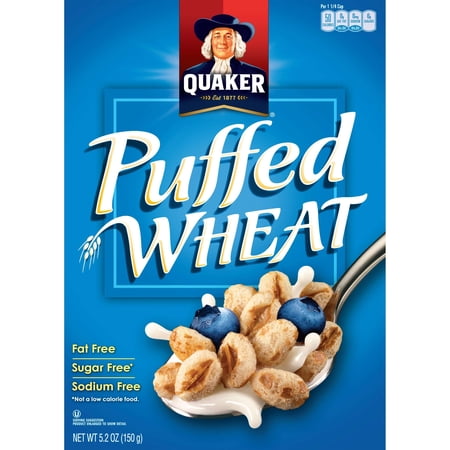

Quaker Puffed Wheat Regular Cereal 5.2 Ounce Paper Box
At a glance
Summary
This cereal is made from puffed wheat, a whole grain that retains its natural nutrients and is minimally processed, preserving its fiber and protein content. The ingredient list is short and clean, with no harmful additives or artificial ingredients, making it a healthy choice. The presence of essential vitamins and minerals further enhances its nutritional profile.
Key ingredients 7
Puffed wheatGood
Puffed wheat is a whole grain that retains its natural nutrients. It is minimally processed, preserving its fiber and protein content. This ingredient provides a healthy carbohydrate source with low sugar content.
Benefits
Rich in dietary fiber which aids in digestion and helps maintain a healthy weight. Provides essential nutrients like B vitamins and minerals.
NiacinamideGood
Vitamin B3 — evidence-backed skin and metabolic benefits.
Benefits
Supports skin health and may improve lipid profiles by reducing cholesterol levels.
RiboflavinGood
Essential B vitamin — beneficial micronutrient.
Benefits
Supports healthy skin, eyes, and nerve function. It also acts as an antioxidant, protecting cells from oxidative damage.
Ferrous sulfateNeutral
Ferrous sulfate is an iron supplement used to fortify foods. It helps prevent iron deficiency anemia by increasing iron levels in the body. The bioavailability of iron from ferrous sulfate is generally good, though it can vary among individuals.
Risks
Excessive intake can lead to gastrointestinal issues such as constipation or nausea.
Benefits
Essential for the production of hemoglobin and red blood cells, supporting oxygen transport in the body.
Citric acidNeutral
Citric acid is a natural preservative and flavor enhancer. It is commonly used to add acidity and improve the shelf life of food products. This ingredient is generally recognized as safe when used in food.
Risks
Excessive consumption may cause tooth enamel erosion or gastrointestinal discomfort.
Benefits
Acts as an antioxidant and can enhance mineral absorption in the body.
Thiamin mononitrateNeutral
Thiamin mononitrate is a synthetic form of vitamin B1 used to fortify foods. It is essential for carbohydrate metabolism and nerve function. This ingredient is effective in preventing thiamin deficiency.
Benefits
Supports energy production and is crucial for the proper functioning of the nervous system.
Folic acidNeutral
Folic acid is a synthetic form of vitamin B9 used to fortify foods. It is crucial for DNA synthesis and cell division, particularly important during periods of rapid growth. This ingredient is effective in preventing neural tube defects during pregnancy.
Risks
Excessive intake may mask vitamin B12 deficiency symptoms.
Benefits
Supports the production of healthy red blood cells and is essential for fetal development during pregnancy.
Processing
Unprocessed or Minimally Processed Foods
Get the full breakdown in the Scout appTake Scout shopping
Scan any product to see lab results, healthy alternatives, and your personalized analysis.
Download on theApp Store GET IT ONGoogle Play