
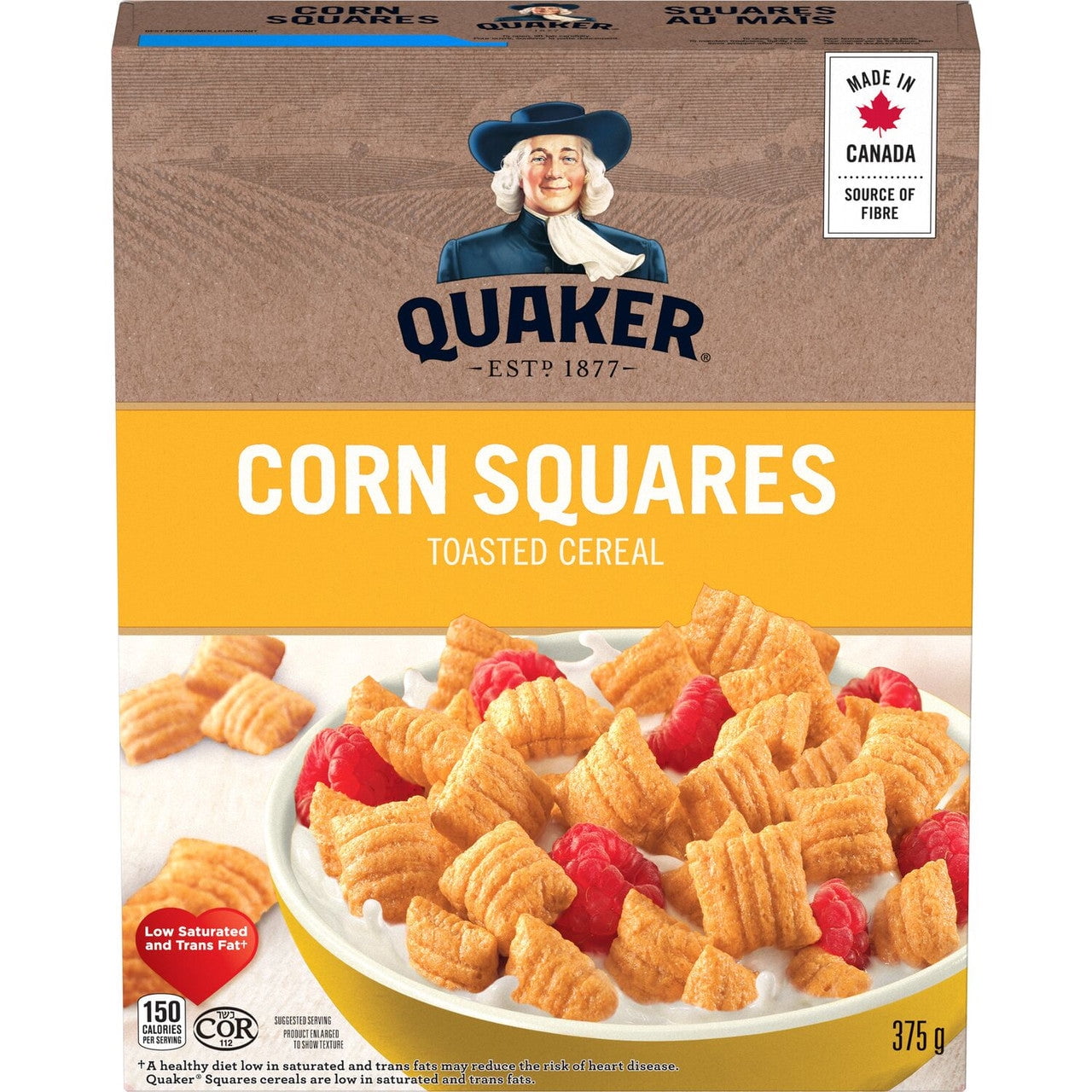
Quaker Corn Crunch Toasted Corn & Oat Cereal 15 Ounce Paper Box
Analysis updated May 2026 · How Scout scores
At a glance
Summary
This cereal contains beneficial ingredients like oat hull fiber and whole grain oat flour, which provide dietary fiber and essential nutrients. However, it also includes refined corn flour and added sugar, which can lead to rapid spikes in blood sugar levels and contribute to health issues if consumed excessively. The product is moderately processed, which limits its overall healthiness despite some positive nutritional aspects.
Key ingredients 15
Oat hull fiberGood
Oat hull fiber is a source of dietary fiber that aids in digestion and promotes satiety. It is minimally processed and retains beneficial compounds found in oats. Fiber intake is associated with reduced risk of cardiovascular diseases.
Benefits
Promotes digestive health and may reduce the risk of cardiovascular diseases.
Whole grain oat flourGood
Whole grain oat flour is a nutritious ingredient rich in fiber and essential nutrients. It is less processed than refined flours and retains the bran and germ. Oats are known for their heart health benefits and ability to stabilize blood sugar levels.
Benefits
Supports heart health and helps stabilize blood sugar levels.
Coconut oilGood
Coconut oil is a source of medium-chain triglycerides (MCTs) that may support metabolism and energy levels. It is less processed compared to seed oils and contains lauric acid, which has antimicrobial properties. The saturated fats in coconut oil are stable and less prone to oxidation.
Risks
High in saturated fats, which should be consumed in moderation.
Benefits
Contains MCTs that may boost metabolism and provide quick energy.
NiacinamideGood
Vitamin B3 — evidence-backed skin and metabolic benefits.
Risks
High doses may cause liver damage and gastrointestinal issues.
Benefits
Supports energy metabolism and skin health.
RiboflavinGood
Essential B vitamin — beneficial micronutrient.
Benefits
Supports energy production and cellular function.
Pyridoxine hydrochlorideGood
Beneficial ingredient — whole-food or functional value in this product class.
Risks
High doses can cause nerve damage and sensory neuropathy.
Benefits
Supports protein metabolism and cognitive development.
SaltNeutral
Salt is used to enhance flavor but can contribute to high blood pressure if consumed in excess. It is a common ingredient in processed foods. Moderation is key to avoiding potential health issues.
Risks
Excessive intake can lead to high blood pressure and cardiovascular issues.
Benefits
Enhances flavor and is essential for various bodily functions in moderation.
Sodium bicarbonateNeutral
Sodium bicarbonate is a leavening agent that helps baked goods rise. It is generally recognized as safe when used in small amounts. It does not provide significant nutritional benefits.
See more about Sodium bicarbonate →Calcium carbonateNeutral
Calcium carbonate is used as a calcium supplement and food additive. It is a common source of calcium in fortified foods. While it can help meet calcium needs, excessive intake may lead to health issues.
Risks
Excessive intake can lead to kidney stones and impaired absorption of other minerals.
Benefits
Provides a source of calcium, which is essential for bone health.
Reduced ironNeutral
Reduced iron is used to fortify foods with iron, an essential mineral for oxygen transport in the body. It is a common fortification in cereals to prevent iron deficiency. However, excessive iron intake can be harmful.
Risks
Excessive iron intake can lead to toxicity and organ damage.
Benefits
Helps prevent iron deficiency and supports oxygen transport in the body.
Zinc oxideNeutral
Zinc oxide is used to fortify foods with zinc, an essential mineral for immune function. It is commonly used in fortified cereals to prevent zinc deficiency. While beneficial, excessive zinc intake can interfere with copper absorption.
Risks
Excessive intake can interfere with copper absorption and cause gastrointestinal issues.
Benefits
Supports immune function and helps prevent zinc deficiency.
Thiamin mononitrateNeutral
Thiamin mononitrate is a form of vitamin B1 used to fortify foods. It is essential for energy metabolism and nerve function. Fortification helps prevent thiamin deficiency, but it does not provide additional benefits beyond meeting nutritional needs.
Benefits
Supports energy metabolism and nerve function.
Folic acidNeutral
Folic acid is a synthetic form of vitamin B9 used to fortify foods. It is crucial for DNA synthesis and cell division. Fortification helps prevent neural tube defects in pregnancy but excessive intake can mask vitamin B12 deficiency.
Risks
Excessive intake can mask vitamin B12 deficiency and lead to neurological issues.
Benefits
Supports DNA synthesis and prevents neural tube defects.
Corn flourBad
Corn flour is a refined carbohydrate that can lead to rapid spikes in blood sugar levels. It is often processed and lacks the fiber and nutrients found in whole grains. The high glycemic index may contribute to increased hunger and overeating.
Risks
High glycemic index may lead to blood sugar spikes and increased hunger.
SugarBad
Refined sugar is associated with various health issues, including obesity and metabolic syndrome. It provides empty calories without essential nutrients. Excessive consumption can lead to insulin resistance and increased risk of chronic diseases.
Risks
Excessive intake can lead to obesity, insulin resistance, and increased risk of chronic diseases.
Processing
Processed Foods
Get the full breakdown in the Scout appTake Scout shopping
Scan any product to see lab results, healthy alternatives, and your personalized analysis.
Download on theApp Store GET IT ONGoogle Play