
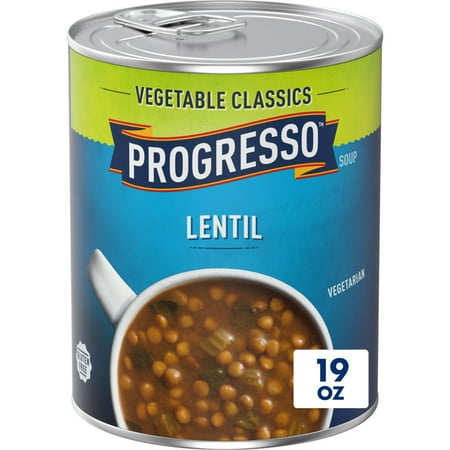



Progresso Vegetable Classics Lentil Soup
Summary
This soup contains beneficial ingredients like lentils, celery, and spinach, which are minimally processed and provide essential nutrients. However, the presence of soybean oil, sugar, and natural flavors, along with its high processing level, significantly impacts its healthiness. The use of seed oils and added sugars, despite the good macros, limits its overall score.
At a glance
Key ingredients 11
WaterNeutral
Water is a neutral ingredient used as a base in soups. It provides no nutritional value but is essential for hydration. It acts as a solvent for other ingredients.
See more about Water →LentilsVery Good
Lentils are a rich source of plant-based protein and fiber. They provide essential nutrients like iron, folate, and magnesium. Lentils are minimally processed and support heart health.
Benefits
Rich in protein and fiber, supporting digestive health and providing essential nutrients.
CeleryGood
Celery is a low-calorie vegetable that provides dietary fiber and vitamins. It contains antioxidants that may reduce inflammation. Celery is minimally processed and adds flavor to soups.
Benefits
Provides dietary fiber and antioxidants, supporting digestive health and reducing inflammation.
Tomato PasteGood
Tomato paste is concentrated tomatoes, providing lycopene and vitamin C. It enhances flavor and adds nutritional value to dishes. The concentration process retains beneficial nutrients.
Benefits
Rich in lycopene and vitamin C, supporting heart health and immune function.
SpinachVery Good
Spinach is a nutrient-dense leafy green rich in vitamins A, C, and K. It provides antioxidants and supports bone health. Spinach is minimally processed and enhances nutritional content.
Benefits
Rich in vitamins and antioxidants, supporting bone health and reducing oxidative stress.
Modified Food StarchNeutral
Modified food starch is used as a thickening agent in soups. It is derived from starches like corn or potatoes and is highly processed. It provides no significant nutritional value.
See more about Modified Food Starch →SaltNeutral
Salt is used to enhance flavor in foods. It is essential for maintaining electrolyte balance but should be consumed in moderation. Excessive intake can lead to health issues.
Risks
Excessive salt intake may lead to high blood pressure and cardiovascular issues.
Benefits
Essential for maintaining electrolyte balance and enhancing flavor.
Soybean OilVery Bad
Soybean oil is a seed oil high in omega-6 fatty acids. It is highly processed and may contribute to inflammation. The extraction process often involves chemical solvents.
Risks
High omega-6 content may promote inflammation when consumed in excess.
SugarBad
Sugar is a refined carbohydrate that provides quick energy but lacks nutrients. Excessive consumption can lead to health issues like obesity and diabetes. It is often added to enhance flavor.
Risks
Excessive sugar intake can lead to obesity, diabetes, and other metabolic disorders.
Benefits
Provides quick energy but lacks essential nutrients.
Natural FlavorBad
Natural flavor is a catch-all term for flavoring agents derived from natural sources. It is highly processed and lacks transparency in ingredient sourcing. It adds flavor without nutritional value.
Risks
Lack of transparency in sourcing and potential for undisclosed allergens.
Yeast ExtractNeutral
Yeast extract is used to enhance umami flavor in foods. It is derived from yeast and contains glutamates, which can enhance taste. It is minimally processed but provides no significant nutrients.
Risks
May contain glutamates, which some individuals are sensitive to.
Benefits
Enhances umami flavor in foods.
Processing
Ultra-Processed Foods
Get the full breakdown in the Scout app
Scan any product to see lab results, healthy alternatives, and your personalized analysis.
Download on theApp Store