

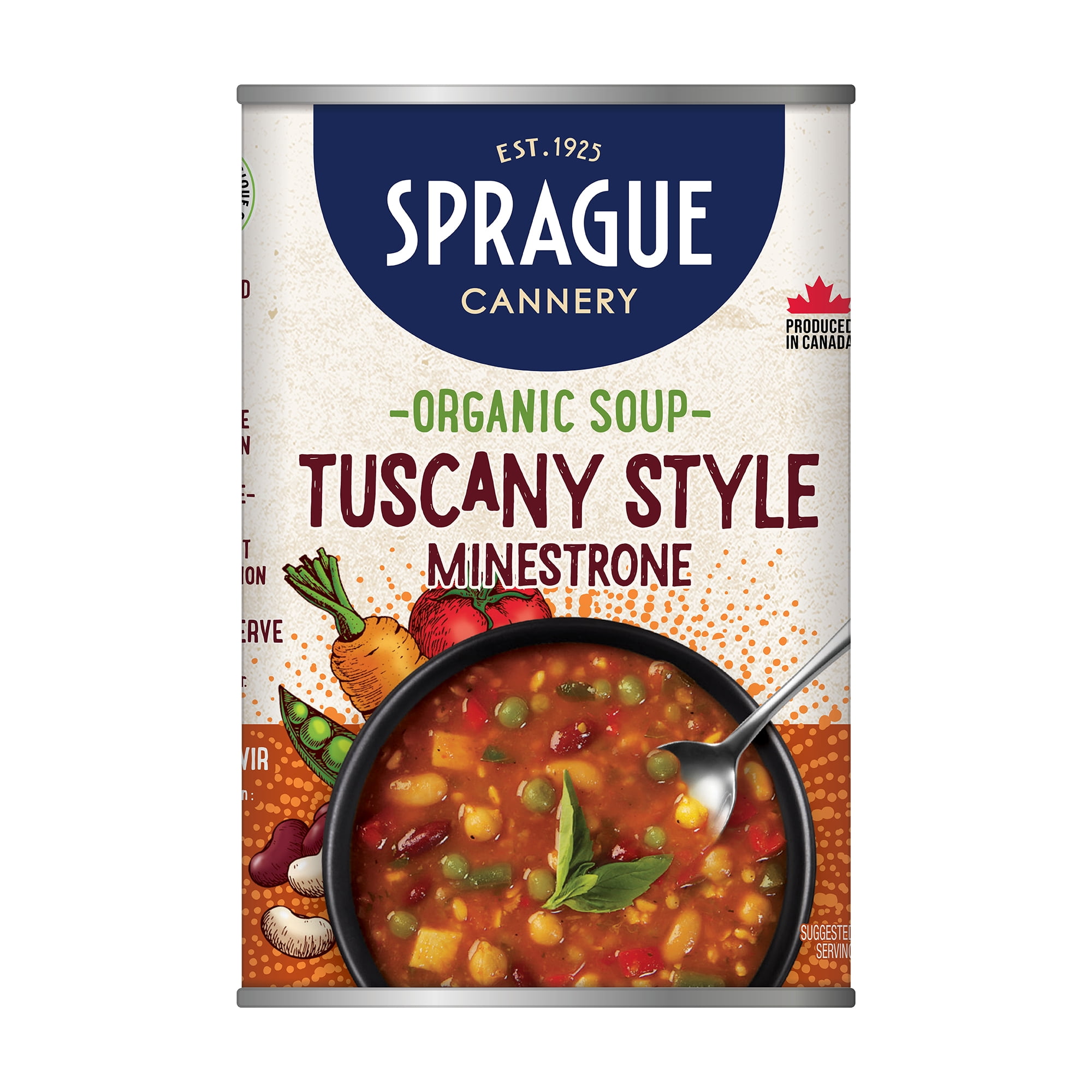

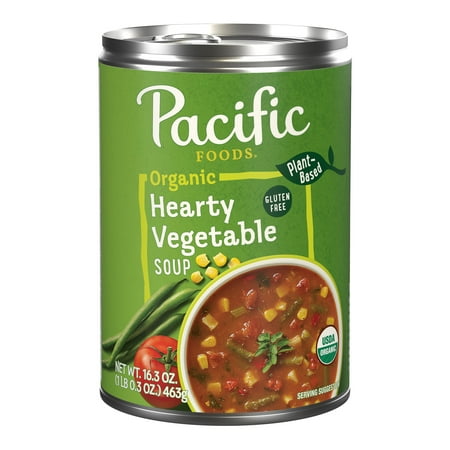
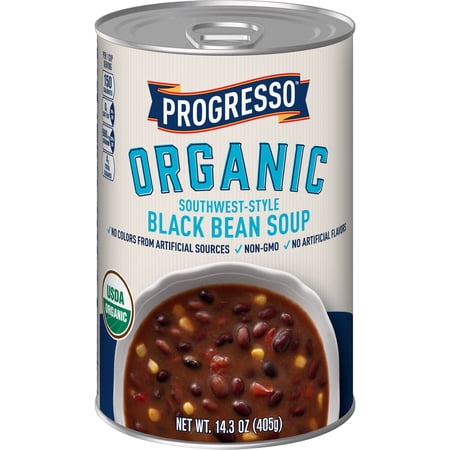
Progresso Reduced Sodium Hearty Minestrone Soup
Analysis updated May 2026 · How Scout scores
At a glance
Summary
This soup contains several beneficial ingredients like tomato puree, carrots, and spinach, which contribute to its nutritional value. However, the presence of soybean oil, added sugar, and natural flavors, along with its high processing level, significantly impact its healthiness. The product's ultra-processed nature and inclusion of additives like soy lecithin and citric acid further limit its score.
Key ingredients 12
Tomato pureeGood
Tomato puree is a concentrated source of tomatoes, providing vitamins and antioxidants. It is rich in lycopene, which may reduce the risk of certain diseases. The puree form allows for easy incorporation into soups.
Benefits
Rich in vitamins A and C, and antioxidants like lycopene, which support immune function and may reduce inflammation.
CarrotsGood
Carrots are a nutritious vegetable high in beta-carotene, fiber, and vitamins. They support eye health and provide antioxidants. Their natural sweetness enhances the flavor of soups.
Benefits
High in beta-carotene, which is converted to vitamin A, supporting vision and immune health.
CeleryGood
Celery is a low-calorie vegetable that provides fiber and essential nutrients. It contains antioxidants and anti-inflammatory compounds. Its crunchy texture adds variety to soups.
Benefits
Provides fiber and antioxidants, supporting digestive health and reducing inflammation.
Kidney beansGood
Kidney beans are a good source of plant-based protein and fiber. They help in maintaining blood sugar levels and support heart health. Their inclusion in soups adds nutritional value and texture.
Benefits
Rich in protein and fiber, supporting heart health and aiding in blood sugar regulation.
Green beansGood
Green beans are a nutritious vegetable providing vitamins, minerals, and fiber. They support bone health and provide antioxidants. Their mild flavor complements other ingredients in soups.
Benefits
High in vitamins A, C, and K, supporting bone health and providing antioxidants.
SpinachGood
Spinach is a leafy green vegetable rich in vitamins, minerals, and antioxidants. It supports eye health and reduces oxidative stress. Its inclusion in soups boosts nutritional content.
Benefits
Rich in iron, calcium, and vitamins A and C, supporting overall health and reducing inflammation.
WaterNeutral
Water is a neutral ingredient used as a base in soups. It provides no nutritional value but is essential for hydration. It acts as a solvent for other ingredients.
See more about Water →Penne rigate pastaNeutral
Penne rigate pasta is made from wheat flour and provides carbohydrates for energy. It is a staple ingredient in many dishes but offers limited nutritional benefits. The pasta adds texture and substance to soups.
Risks
Contains gluten, which may be a concern for individuals with celiac disease or gluten sensitivity.
Benefits
Provides carbohydrates, which are a primary energy source for the body.
SaltNeutral
Salt is used to enhance flavor but should be consumed in moderation. Excessive intake can lead to health issues like hypertension. In reduced sodium products, its presence is minimized.
Risks
Excessive consumption can lead to high blood pressure and cardiovascular issues.
Benefits
Enhances flavor and is essential for various bodily functions in moderation.
SugarBad
Sugar is added for sweetness but offers no nutritional benefits. Excessive consumption is linked to various health issues, including obesity and diabetes. Its presence in savory foods is often unnecessary.
Risks
Excessive sugar intake can lead to obesity, diabetes, and other metabolic disorders.
Natural flavorBad
Natural flavor is a catch-all term for flavoring agents derived from natural sources. It lacks transparency and may contain additives. Its use is often criticized for not providing clear ingredient information.
Risks
Lack of transparency can be concerning for individuals with allergies or sensitivities.
Soybean oilVery Bad
Soybean oil is a seed oil high in omega-6 fatty acids, which can promote inflammation. It is heavily processed and lacks beneficial nutrients. Its use in foods is often criticized for potential health impacts.
Risks
High omega-6 content may promote inflammation when consumed in excess.
Processing
Ultra-Processed Foods
Get the full breakdown in the Scout appTake Scout shopping
Scan any product to see lab results, healthy alternatives, and your personalized analysis.
Download on theApp Store GET IT ONGoogle PlayAmazon pricing & content
Amazon price as of . Product prices and availability are accurate as of the date/time indicated and are subject to change. Any price and availability information displayed on Amazon.com at the time of purchase will apply to the purchase of this product.
CERTAIN CONTENT THAT APPEARS ON THIS SITE COMES FROM AMAZON. THIS CONTENT IS PROVIDED “AS IS” AND IS SUBJECT TO CHANGE OR REMOVAL AT ANY TIME.