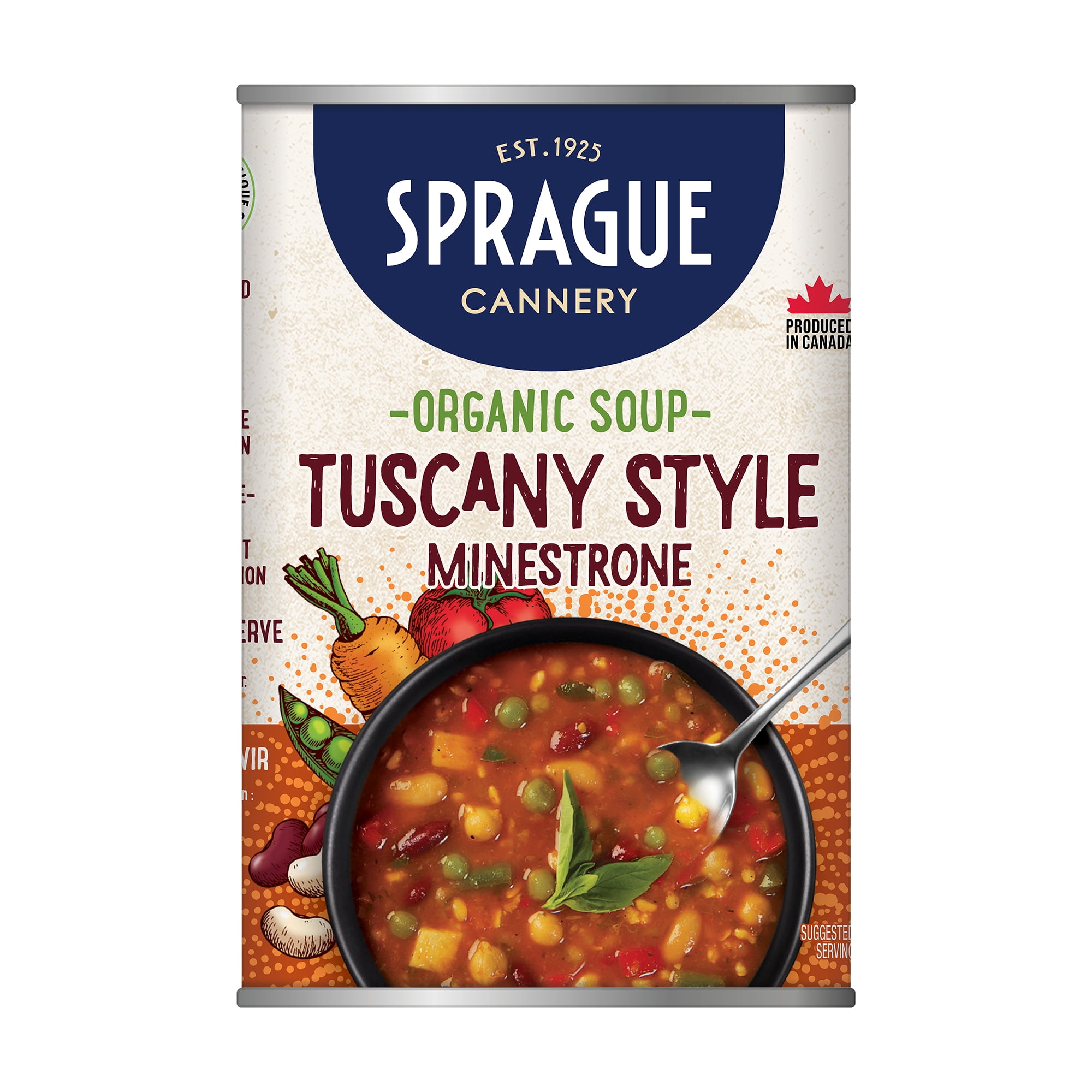
Tuscan-style White Bean Minestrone Soup

At a glance
Summary
This soup contains a variety of minimally processed vegetables and legumes, such as tomatoes, chickpeas, and kale, which contribute to its nutritional value. The use of extra-virgin olive oil is a positive aspect, as it is a healthy fat. However, the presence of citric acid as an additive and the processed nature of the pasta slightly reduce its overall score, though the ingredient list remains relatively clean.
Key ingredients 19
KaleVery Good
Kale is a nutrient-dense leafy green rich in vitamins, minerals, and antioxidants. It is minimally processed and retains its nutritional profile when cooked. It is considered a superfood due to its high nutrient content.
Benefits
High in vitamins A, C, and K, and provides antioxidants that support overall health.
Extra-virgin olive oilVery Good
Extra-virgin olive oil is a high-quality monounsaturated fat with anti-inflammatory properties. It contains antioxidants that support heart health. Cold-pressed extraction preserves beneficial compounds.
Benefits
Rich in monounsaturated fats that support heart health and provide anti-inflammatory properties. Contains antioxidants like vitamin E and polyphenols that may reduce oxidative stress.
Tomato puréeGood
Tomato purée is a concentrated form of tomatoes, providing a rich source of vitamins and antioxidants. It is minimally processed and retains most of the nutritional benefits of fresh tomatoes. It enhances flavor and nutritional content in soups.
Benefits
Rich in vitamins A and C, and antioxidants like lycopene, which may reduce the risk of chronic diseases.
Tomato pasteGood
Tomato paste is a concentrated form of tomatoes, offering a dense source of nutrients and flavor. It is made by cooking tomatoes for several hours, reducing water content and enhancing nutrient density. It is a good source of antioxidants.
Benefits
Provides antioxidants such as lycopene, which supports heart health and may reduce cancer risk.
ChickpeasGood
Chickpeas are a nutrient-dense legume rich in protein, fiber, and essential vitamins. They are minimally processed and provide a plant-based protein source. They contribute to satiety and digestive health.
Risks
May cause digestive discomfort in some individuals due to high fiber content.
Benefits
High in protein and fiber, supporting muscle health and digestion.
ZucchiniGood
Zucchini is a low-calorie vegetable rich in vitamins and minerals. It is minimally processed and retains its nutritional profile when cooked. It adds bulk and nutrients to the soup.
Benefits
Rich in vitamins A and C, and provides dietary fiber.
White beansGood
White beans are a good source of plant-based protein and fiber. They are minimally processed and contribute to the nutritional value of the soup. They help in maintaining healthy blood sugar levels.
Risks
May cause digestive issues in some individuals due to high fiber content.
Benefits
Rich in protein and fiber, supporting heart health and digestion.
CarrotsGood
Carrots are a root vegetable high in beta-carotene, fiber, and antioxidants. They are minimally processed and retain their nutritional benefits when cooked. They add sweetness and nutrients to the soup.
Benefits
High in beta-carotene, which is converted to vitamin A, supporting vision and immune health.
CeleryGood
Celery is a low-calorie vegetable that provides vitamins, minerals, and antioxidants. It is minimally processed and adds flavor and nutrients to the soup. It is known for its hydrating properties.
Benefits
Rich in antioxidants and provides dietary fiber.
MushroomsGood
Mushrooms are a low-calorie food rich in vitamins, minerals, and antioxidants. They are minimally processed and add umami flavor to the soup. They are known for their immune-boosting properties.
Benefits
Rich in B vitamins and selenium, supporting immune function and metabolism.
Sea saltGood
Sea salt is a minimally processed salt that contains trace minerals. It is used to enhance flavor and is considered a healthier alternative to refined table salt. It provides essential sodium for bodily functions.
Risks
Excessive intake may contribute to high blood pressure.
Benefits
Provides essential sodium and trace minerals that support hydration and nerve function.
Roasted garlic puréeGood
Roasted garlic purée provides a concentrated source of garlic flavor and nutrients. It is minimally processed and retains the health benefits of garlic. It adds depth of flavor to the soup.
Benefits
Contains allicin, which has antimicrobial and heart health benefits.
Balsamic vinegarGood
Balsamic vinegar is a fermented product that adds acidity and flavor to dishes. It is minimally processed and contains antioxidants. It enhances the flavor profile of the soup.
Benefits
Contains antioxidants and may aid in digestion.
WaterNeutral
Water is a neutral ingredient used as a base for soups and other liquid foods. It provides no nutritional value but is essential for hydration. It acts as a solvent for other ingredients.
See more about Water →PotatoesNeutral
Potatoes are a starchy vegetable providing carbohydrates and some vitamins. They are minimally processed and add texture to the soup. They are a common ingredient in many dishes.
Risks
High glycemic index may affect blood sugar levels in sensitive individuals.
Benefits
Provides vitamin C and potassium, supporting immune function and heart health.
PastaNeutral
Pasta is a processed carbohydrate source made from wheat flour. It provides energy and is a staple in many diets. It is often enriched with vitamins and minerals.
Risks
May contribute to high carbohydrate intake, affecting blood sugar levels.
Benefits
Provides energy and is often fortified with essential nutrients.
Onion powderNeutral
Onion powder is a dehydrated form of onions used for flavoring. It is processed but retains some of the nutritional benefits of fresh onions. It is a common seasoning in many dishes.
Benefits
Provides flavor and some antioxidants.
SpicesNeutral
Spices are used to enhance flavor and may provide some health benefits. They are minimally processed and vary in nutritional content. They contribute to the overall taste profile of the soup.
Benefits
May provide antioxidants and anti-inflammatory properties.
Citric acidNeutral
Citric acid is a natural preservative and flavor enhancer. It is used to maintain freshness and add acidity to foods. It is commonly found in citrus fruits.
Benefits
Helps preserve food and enhances flavor.
Processing
Processed Foods
Get the full breakdown in the Scout appTake Scout shopping
Scan any product to see lab results, healthy alternatives, and your personalized analysis.
Are you Amy's Organic Soups? Fix an error Get the badge Get tested