
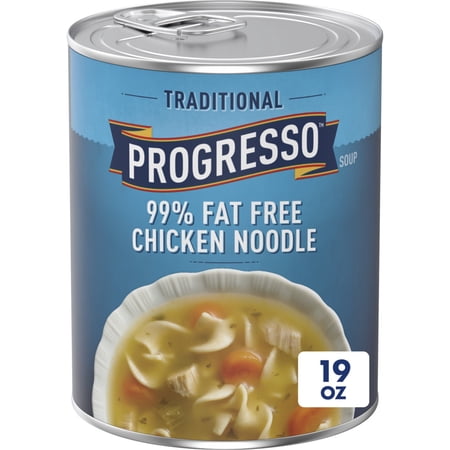


Progresso Traditional 99% Fat Free Chicken Noodle Soup
Summary
This soup contains beneficial ingredients like chicken broth and carrots, which provide nutrients and flavor. However, it is heavily processed with additives such as soy protein isolate, sodium phosphate, and natural flavors, which raise concerns about transparency and health impacts. The high level of processing and presence of these additives limit its overall healthiness despite its low fat content.
At a glance
Key ingredients 12
Chicken brothGood
Chicken broth is a flavorful base that provides some protein and minerals. It is typically made by simmering chicken bones and meat, which can release collagen and nutrients. Quality can vary based on the source of the chicken and the preparation method.
Benefits
Provides a source of protein and minerals, and can be soothing and hydrating.
CarrotsGood
Carrots are a nutritious vegetable rich in beta-carotene, fiber, and antioxidants. They are typically included in soups for their flavor and nutritional benefits. The beta-carotene in carrots is converted to vitamin A in the body, supporting vision and immune function.
Benefits
Rich in beta-carotene, which supports vision and immune health, and provides dietary fiber.
Cooked white chicken meatNeutral
Cooked white chicken meat is a source of lean protein. It provides essential amino acids necessary for muscle repair and maintenance. The quality of the protein depends on the source and preparation of the chicken.
Benefits
Provides lean protein and essential amino acids for muscle repair and maintenance.
Egg noodlesNeutral
Egg noodles are made from wheat flour and eggs, providing carbohydrates and some protein. They are a common ingredient in soups for texture and satiety. The nutritional value can vary based on the flour used and the presence of whole grains.
Risks
May contain gluten, which can be a concern for individuals with celiac disease or gluten sensitivity.
Benefits
Provides carbohydrates for energy and some protein from the eggs.
CeleryNeutral
Celery is a low-calorie vegetable often used for flavor and texture in soups. It contains some vitamins and minerals, such as vitamin K and potassium. The nutritional impact is minimal due to its high water content.
Benefits
Provides flavor and texture with minimal calories, and contains some vitamins and minerals.
Modified food starchNeutral
Modified food starch is used as a thickening agent in soups. It is derived from various starches and processed to enhance its stability and texture. While it adds no significant nutritional value, it is generally considered safe.
Benefits
Improves texture and stability of the soup without adding significant calories.
Corn protein (hydrolyzed)Neutral
Hydrolyzed corn protein is used as a flavor enhancer in processed foods. It is created by breaking down corn protein into amino acids. While it can enhance flavor, it does not provide the same nutritional benefits as whole protein sources.
Risks
May contain free glutamates, which can be a concern for individuals sensitive to MSG.
Benefits
Enhances flavor without adding significant calories or fat.
SaltNeutral
Salt is used to enhance flavor and preserve food. It is a common ingredient in soups to balance flavors. Excessive consumption can lead to health issues such as hypertension.
Risks
High sodium intake can contribute to hypertension and cardiovascular disease.
Benefits
Enhances flavor and acts as a preservative.
Chicken fatNeutral
Chicken fat is used to add flavor and richness to soups. It is a source of saturated and unsaturated fats. The nutritional impact depends on the amount used and the overall dietary context.
Risks
Excessive consumption of saturated fats can contribute to cardiovascular disease.
Benefits
Adds flavor and richness to the soup.
Soy protein isolateBad
Soy protein isolate is a highly processed form of soy protein used to boost protein content. It lacks the complete amino acid profile found in animal proteins. Concerns exist regarding its processing and potential hormonal effects.
Risks
May affect hormone levels due to phytoestrogens and is highly processed.
Benefits
Provides a plant-based protein source, though less complete than animal proteins.
Sodium phosphateBad
Sodium phosphate is used as an emulsifier and preservative in processed foods. It can contribute to an increased intake of phosphates, which may affect kidney health. Its use is common in processed foods to maintain texture and moisture.
Risks
Excessive phosphate intake can affect kidney function and bone health.
Benefits
Helps maintain texture and moisture in processed foods.
Natural flavorBad
Natural flavor is a catch-all term for flavoring agents derived from natural sources. The exact composition is often undisclosed, leading to concerns about transparency. It is commonly used to enhance flavor without adding nutritional value.
Risks
Lack of transparency in ingredient composition can be a concern for those with allergies or sensitivities.
Benefits
Enhances flavor without adding calories or fat.
Processing
Ultra-Processed Foods
Get the full breakdown in the Scout app
Scan any product to see lab results, healthy alternatives, and your personalized analysis.
Download on theApp Store