


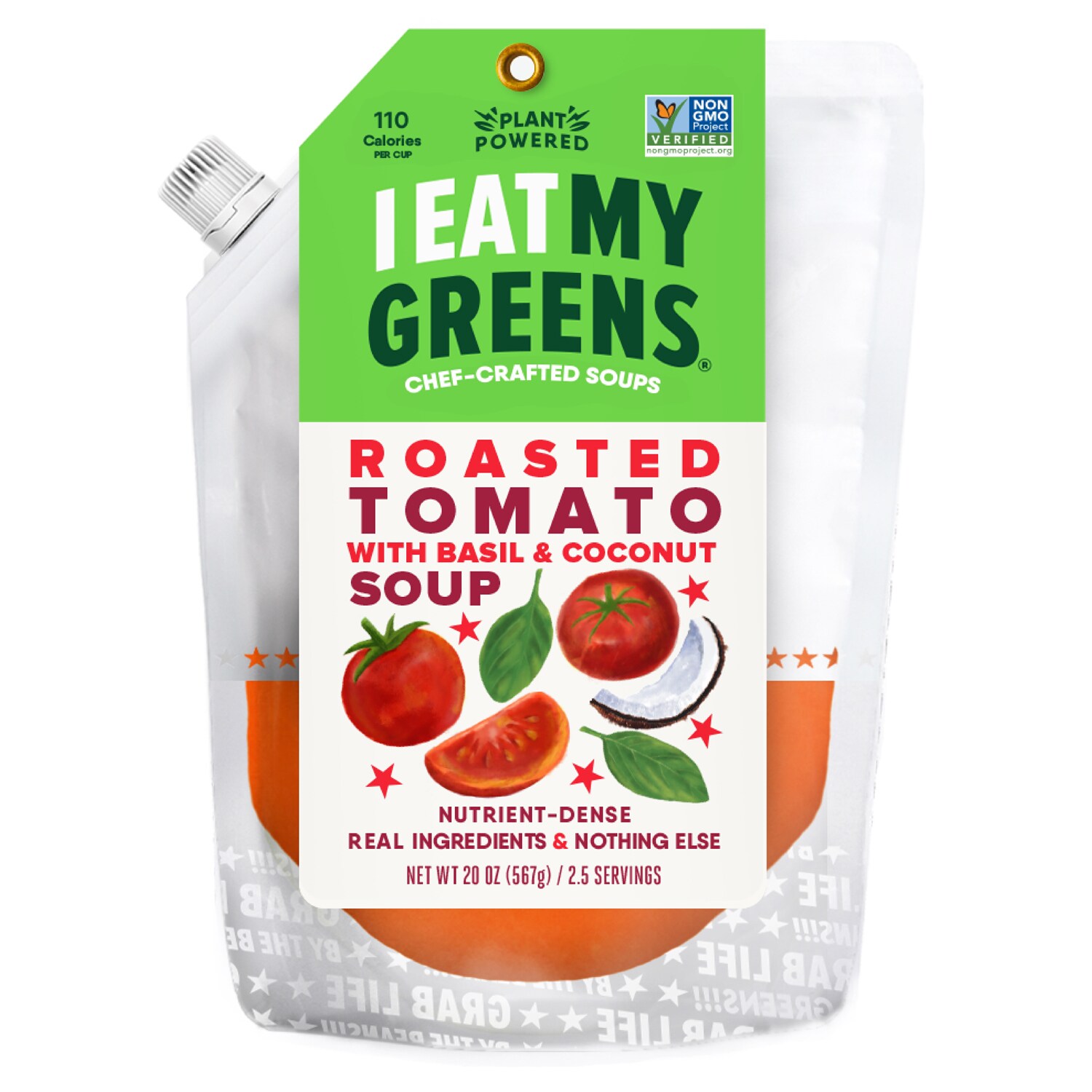
At a glance
Summary
This soup is composed of minimally processed ingredients, including chicken broth, vegetables, and spices, which contribute to its high nutritional value. The absence of harmful additives, seed oils, and artificial ingredients enhances its health profile. The use of anti-inflammatory and antioxidant-rich components like turmeric and ginger further supports its beneficial qualities.
Key ingredients 15
Chicken BrothGood
Chicken broth is a flavorful liquid made by simmering chicken and vegetables. It provides protein and minerals like calcium and magnesium. Homemade or low-sodium versions are preferable for health benefits.
Risks
Commercial broths may contain high sodium levels, which can be a concern for those with hypertension.
Benefits
Rich in protein and minerals, supporting bone health and providing a savory base for soups.
Sea SaltGood
Sea salt is a minimally processed salt that contains trace minerals. It is used to enhance flavor and provide essential sodium. Unlike table salt, it retains natural minerals.
Risks
Excessive consumption can lead to high blood pressure and cardiovascular issues.
Benefits
Provides essential sodium and trace minerals, supporting electrolyte balance and nerve function.
CeleryGood
Celery is a low-calorie vegetable rich in vitamins and antioxidants. It contains fiber, which aids digestion. Its high water content helps with hydration.
Benefits
Rich in antioxidants and fiber, supporting digestive health and reducing inflammation.
CarrotGood
Carrots are a good source of beta-carotene, fiber, and antioxidants. They support eye health and boost the immune system. Cooking enhances the bioavailability of beta-carotene.
Benefits
High in beta-carotene, which is converted to vitamin A, supporting vision and immune function.
OnionGood
Onions are rich in antioxidants and sulfur compounds. They have anti-inflammatory properties and support heart health. Cooking onions enhances their sweetness and flavor.
Benefits
Contains antioxidants and sulfur compounds that may reduce inflammation and support cardiovascular health.
GingerGood
Ginger is known for its anti-inflammatory and digestive benefits. It contains bioactive compounds like gingerol. It is often used to alleviate nausea and improve digestion.
Benefits
Provides anti-inflammatory and digestive benefits, and may help reduce nausea.
TurmericGood
Turmeric contains curcumin, a powerful anti-inflammatory compound. It supports joint health and may improve brain function. Absorption is enhanced when consumed with black pepper.
Benefits
Rich in curcumin, which has anti-inflammatory and antioxidant properties, supporting overall health.
HorseradishGood
Horseradish is a root vegetable with a pungent flavor, rich in glucosinolates. It may have antimicrobial properties and support respiratory health. It adds a spicy kick to dishes.
Benefits
Contains glucosinolates that may have antimicrobial properties and support respiratory health.
Jalapeño PepperGood
Jalapeño peppers are rich in capsaicin, which has anti-inflammatory and metabolism-boosting properties. They add heat and flavor to dishes. Capsaicin may also aid in pain relief.
Risks
May cause irritation in sensitive individuals or when consumed in excess.
Benefits
Rich in capsaicin, which may boost metabolism and provide anti-inflammatory benefits.
ThymeGood
Thyme is an herb with antimicrobial and antioxidant properties. It is used to enhance flavor and support respiratory health. It contains vitamins and minerals like vitamin C and iron.
Benefits
Provides antimicrobial and antioxidant benefits, supporting immune and respiratory health.
GarlicGood
Garlic is known for its immune-boosting and cardiovascular benefits. It contains allicin, which has antimicrobial properties. It is used to enhance flavor and support heart health.
Benefits
Contains allicin, which may support immune function and cardiovascular health.
Fennel SeedsGood
Fennel seeds are rich in fiber and antioxidants. They support digestive health and may reduce inflammation. They add a sweet, aromatic flavor to dishes.
Benefits
Rich in fiber and antioxidants, supporting digestive health and reducing inflammation.
Black PepperGood
Black pepper contains piperine, which enhances nutrient absorption. It has antioxidant properties and supports digestion. It is often used to enhance the bioavailability of curcumin in turmeric.
Benefits
Enhances nutrient absorption and provides antioxidant benefits.
Habanero PeppersGood
Habanero peppers are high in capsaicin, which has anti-inflammatory and metabolism-boosting properties. They add intense heat and flavor to dishes. Capsaicin may also aid in pain relief.
Risks
May cause irritation in sensitive individuals or when consumed in excess.
Benefits
Rich in capsaicin, which may boost metabolism and provide anti-inflammatory benefits.
WaterNeutral
Water is a neutral ingredient used as a base in soups. It provides hydration but no significant nutritional value. It is essential for dissolving other ingredients and creating broth.
See more about Water →Processing
Unprocessed or Minimally Processed Foods
Get the full breakdown in the Scout appTake Scout shopping
Scan any product to see lab results, healthy alternatives, and your personalized analysis.
Download on theApp Store GET IT ONGoogle Play