

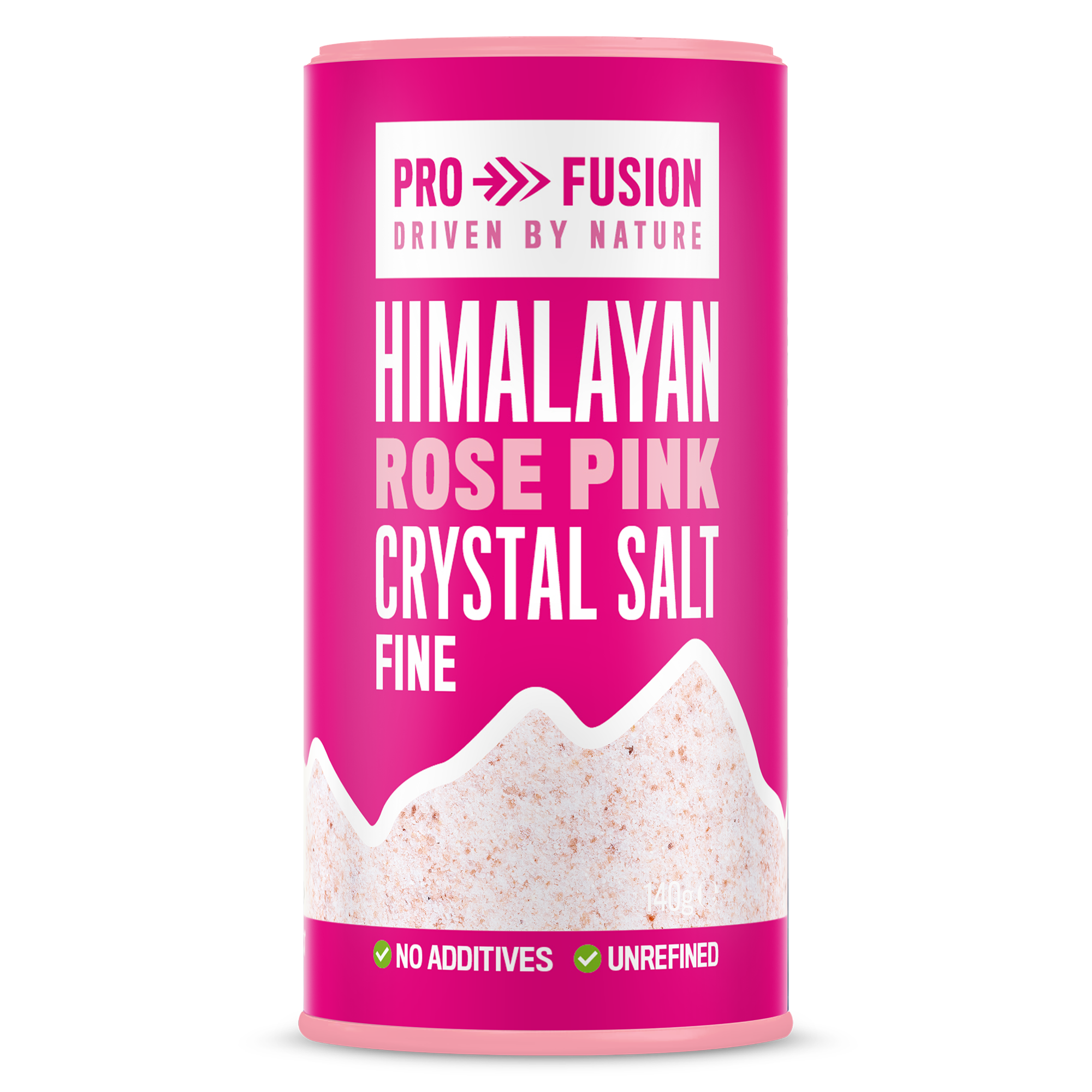


At a glance
Summary
This product is primarily composed of salt, a processed culinary ingredient, with the addition of a single anti-caking agent, sodium ferrocyanide. While sodium ferrocyanide is generally recognized as safe, its synthetic nature slightly detracts from the product's purity. The minimal processing and limited use of additives contribute to a relatively high score, although it does not reach the level of artisanal salts that are free from additives.
Key ingredients 2
SaltNeutral
Salt is a common culinary ingredient used for seasoning and preserving food. It is a refined form of sodium chloride without additional trace minerals. While necessary for bodily functions, excessive intake can lead to health issues.
Risks
High sodium intake can increase the risk of hypertension and cardiovascular diseases.
Benefits
Salt is essential for maintaining fluid balance and nerve function in the body.
Sodium FerrocyanideBad
Sodium ferrocyanide is used as an anti-caking agent in salt to prevent clumping. It is a synthetic additive that does not provide nutritional benefits. Although generally recognized as safe, its presence in food is often viewed negatively due to its synthetic nature.
Risks
Potential concerns include the formation of cyanide compounds under certain conditions, although this is unlikely in typical food use.
Processing
Processed Culinary Ingredients
Get the full breakdown in the Scout appTake Scout shopping
Scan any product to see lab results, healthy alternatives, and your personalized analysis.
Download on theApp Store GET IT ONGoogle Play