

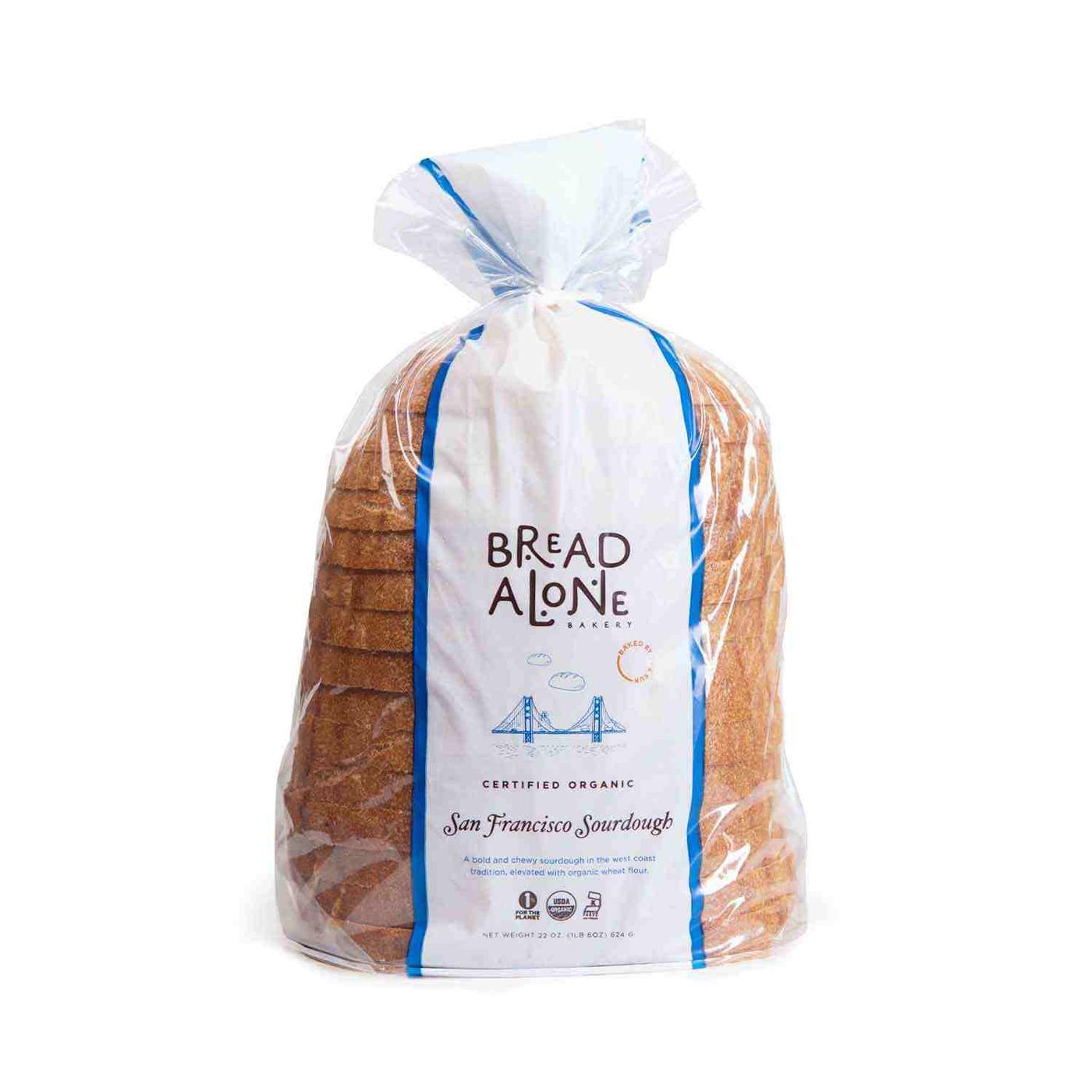


M&S Bakery San Francisco Style Sourdough
Analysis updated August 2026 · How Scout scores
At a glance
Summary
This sourdough bread is ultra-processed, which limits its potential health score. While it contains beneficial ingredients like wheat fiber and niacin, the presence of enriched flour and the overall processing level reduce its nutritional value. The absence of harmful additives such as seed oils or artificial sweeteners is positive, but the high processing level still impacts its overall healthiness.
Key ingredients 7
WaterNeutral
Water is a basic ingredient essential for dough formation, with no inherent health concerns or benefits.
See more about Water →SaltNeutral
Salt is used for flavor and preservation but is neutral in health impact when consumed in moderation.
See more about Salt →Vitamin D YeastNeutral
Vitamin D Yeast is added to fortify the bread with vitamin D, providing nutritional value without negative effects.
WheatflourBad
Wheatflour is a common allergen and contains gluten, which can cause issues for sensitive individuals. It is also highly processed, reducing its natural nutritional value.
Wheat FibreBad
Wheat Fibre is processed and may contain additives or residues from refining, which can diminish its health benefits and contribute to its negative perception.
Wheatflour contains GlutenBad
This ingredient emphasizes gluten content, which can be problematic for those with gluten sensitivities or celiac disease, and is associated with processed wheat products.
Malted Barley FlourBad
Malted Barley Flour is processed and often contains added sugars or additives, which can contribute to its negative classification.
See more about Malted Barley Flour →Processing
Ultra-Processed Foods
Get the full breakdown in the Scout appTake Scout shopping
Scan any product to see lab results, healthy alternatives, and your personalized analysis.
Download on theApp Store GET IT ONGoogle PlayAmazon pricing & content
Amazon price as of . Product prices and availability are accurate as of the date/time indicated and are subject to change. Any price and availability information displayed on Amazon.com at the time of purchase will apply to the purchase of this product.
CERTAIN CONTENT THAT APPEARS ON THIS SITE COMES FROM AMAZON. THIS CONTENT IS PROVIDED “AS IS” AND IS SUBJECT TO CHANGE OR REMOVAL AT ANY TIME.