




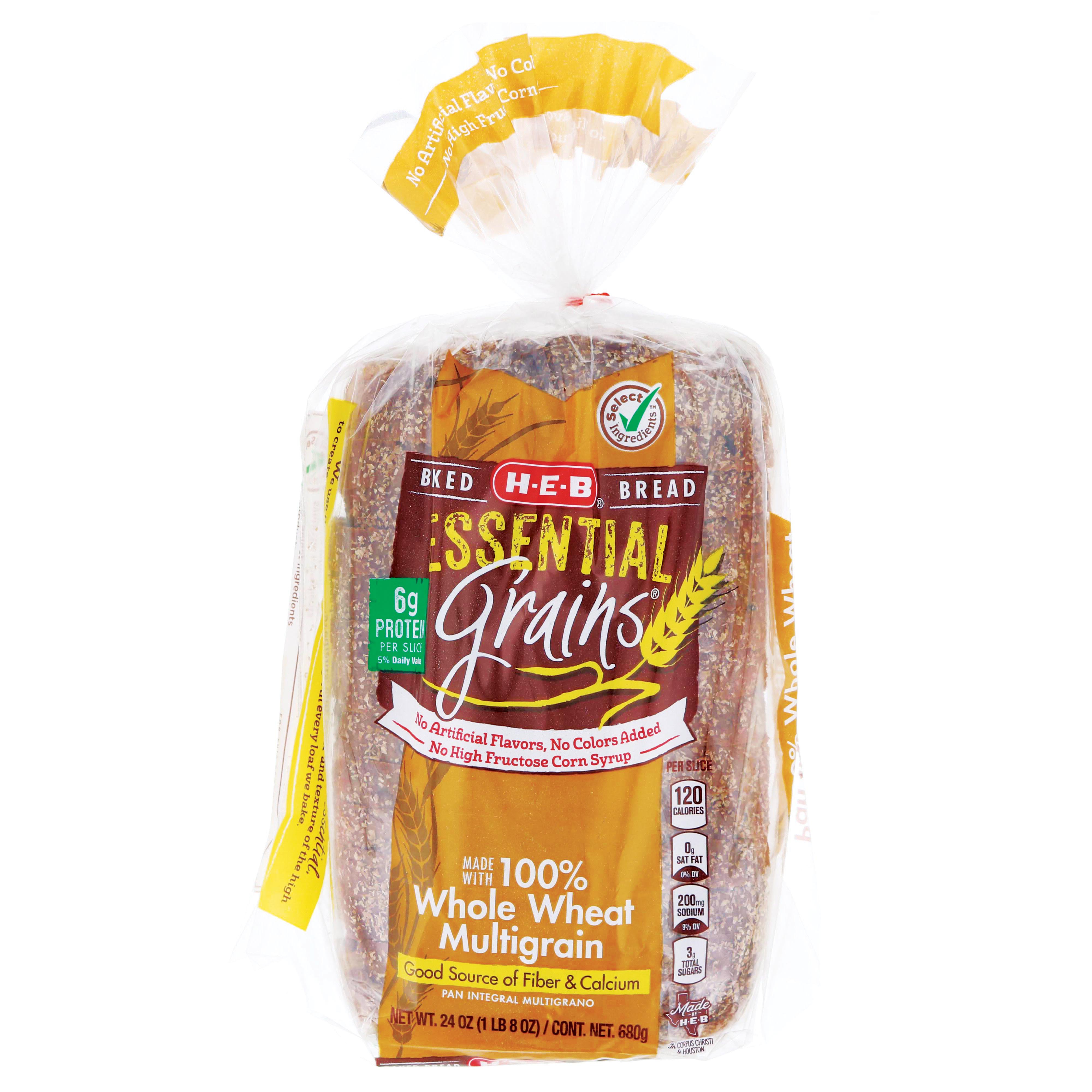
organic 100% whole wheat bread
Summary
This organic whole wheat bread contains high-quality ingredients like organic whole wheat flour and cracked wheat, which provide essential nutrients and fiber. However, it is classified as ultra-processed due to the presence of additives and the use of organic palm oil, which is high in saturated fats. Despite its beneficial ingredients, the processing level limits its overall healthiness.
At a glance
Key ingredients 13
Organic Whole Wheat FlourVery Good
Organic whole wheat flour is a high-quality ingredient providing essential nutrients and fiber. Being organic, it is free from synthetic pesticides and fertilizers, enhancing its nutritional profile. It supports digestive health and provides sustained energy.
Benefits
Rich in dietary fiber, vitamins, and minerals, supporting overall health and digestion.
WaterNeutral
Water is a neutral ingredient used as a solvent and to provide moisture in bread. It does not contribute any calories or nutrients but is essential for the dough formation. Its quality is crucial for the final texture of the bread.
See more about Water →Organic Cracked WheatGood
Organic cracked wheat adds texture and additional fiber to the bread. Being organic, it is free from harmful chemicals, enhancing its health benefits. It contributes to a hearty texture and boosts the nutritional value of the bread.
Benefits
Provides additional fiber and nutrients, supporting digestive health and satiety.
Organic Cane SugarNeutral
Organic cane sugar is used to enhance the flavor and aid in yeast fermentation. As an organic product, it is free from synthetic additives, but it still contributes to the sugar content of the bread. It should be consumed in moderation to avoid excessive sugar intake.
Risks
Excessive consumption may contribute to increased blood sugar levels and related health issues.
Benefits
Provides a natural sweetness and aids in the fermentation process.
Organic Vital Wheat GlutenNeutral
Organic vital wheat gluten is added to improve the elasticity and texture of the bread. It is a concentrated form of gluten, enhancing the bread's structure. While beneficial for texture, it may pose issues for those with gluten sensitivities.
Risks
May cause adverse reactions in individuals with gluten intolerance or celiac disease.
Benefits
Improves bread texture and elasticity, making it more palatable.
Organic Cultured Wheat FlourGood
Organic cultured wheat flour is used as a natural preservative and flavor enhancer. It is fermented, which can improve digestibility and add beneficial probiotics. Being organic, it is free from synthetic additives.
Benefits
May contribute to improved gut health due to fermentation.
YeastNeutral
Yeast is a natural leavening agent that helps the bread rise. It is essential for fermentation, contributing to the bread's texture and flavor. It is a standard ingredient in bread-making with no significant health concerns.
Benefits
Contributes to the leavening and flavor of the bread.
Organic MolassesNeutral
Organic molasses is used for flavor and color, providing a rich, deep taste. It is a byproduct of sugar refining but retains some minerals. While it adds flavor, it should be consumed in moderation due to its sugar content.
Risks
Excessive consumption may contribute to increased sugar intake.
Benefits
Provides a rich flavor and some trace minerals.
Sea SaltGood
Unrefined sea salt — a minimally processed, natural source of sodium and essential trace minerals, and a legitimate whole-food seasoning. Treated as a positive ingredient.
Risks
High sodium intake can contribute to hypertension and cardiovascular issues.
Benefits
Enhances flavor and provides trace minerals.
Organic Palm OilBad
Organic palm oil is used for its texture-enhancing properties but is high in saturated fats. While organic, its production can have environmental impacts. It is less healthy compared to other fats like olive oil.
Risks
High in saturated fats, which may contribute to cardiovascular issues if consumed in excess.
Benefits
Provides a stable texture and shelf life to the bread.
Organic VinegarNeutral
Organic vinegar is used as a natural preservative and flavor enhancer. It can improve the shelf life of bread and add a slight tangy flavor. Being organic, it is free from synthetic additives.
Benefits
Acts as a natural preservative and enhances flavor.
Organic Soy LecithinNeutral
Organic soy lecithin is used as an emulsifier to improve texture and consistency. It is derived from soybeans and is generally considered safe. However, it may pose issues for those with soy allergies.
Risks
May cause allergic reactions in individuals with soy allergies.
Benefits
Improves texture and consistency of the bread.
Organic Wheat BranGood
Organic wheat bran is a high-fiber ingredient that supports digestive health. It is rich in nutrients and adds texture to the bread. Being organic, it is free from synthetic pesticides and fertilizers.
Benefits
Rich in fiber and nutrients, supporting digestive health.
Processing
Ultra-Processed Foods
Get the full breakdown in the Scout app
Scan any product to see lab results, healthy alternatives, and your personalized analysis.
Download on theApp Store