


At a glance
Summary
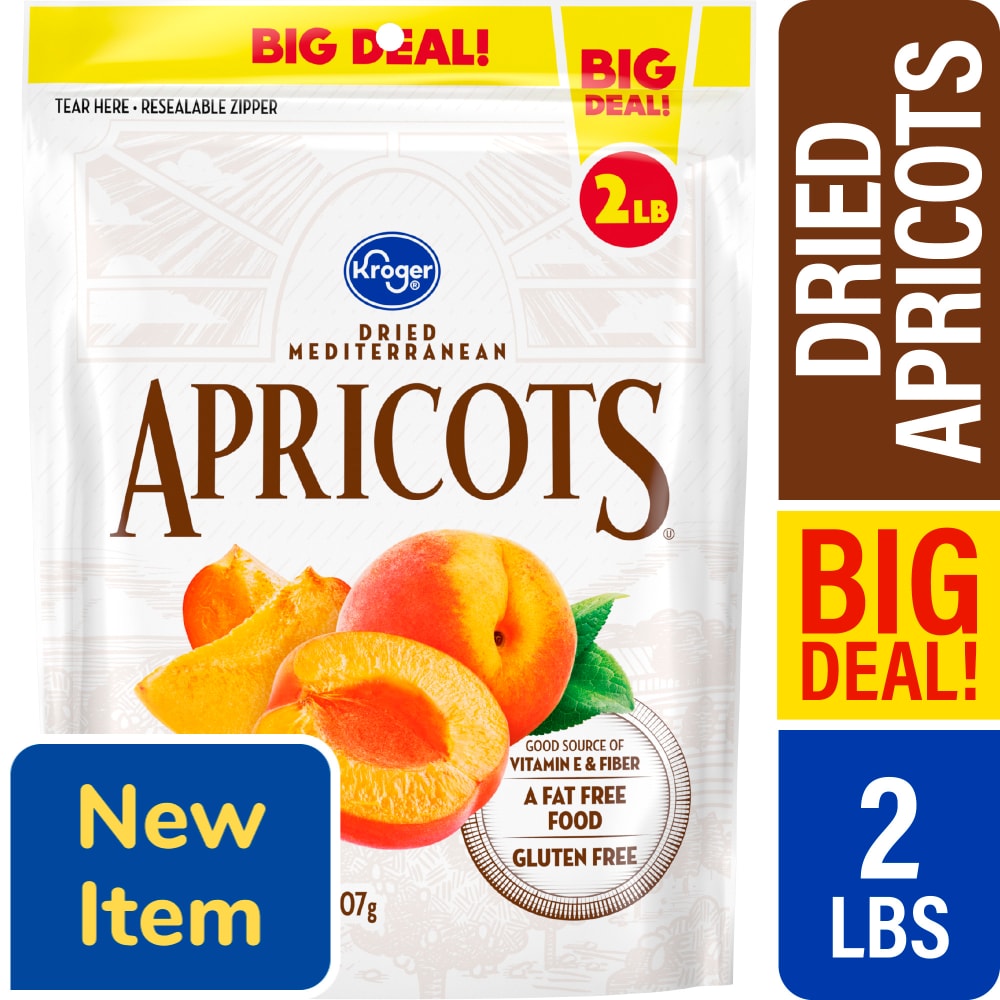
This product contains dried apricots, which are a nutritious fruit, but the addition of sunflower and/or canola oil introduces unhealthy fats that can promote inflammation. The use of preservatives like sulfur dioxide and sodium bisulfite, while common in dried fruits, can cause allergic reactions in sensitive individuals. The processing level and presence of these additives limit the healthiness of the product.
Key ingredients 5
Dried apricotsNeutral
Dried apricots are a concentrated source of natural sugars and fiber. They are minimally processed but may contain added preservatives. The drying process retains most nutrients but increases sugar concentration.
Risks
High sugar content may contribute to blood sugar spikes if consumed in excess.
Benefits
Rich in dietary fiber and essential vitamins like vitamin A and potassium.
Sulfur dioxideBad
Sulfur dioxide is used as a preservative to prevent spoilage and maintain color. It can cause allergic reactions in sensitive individuals, particularly those with asthma. Its use is common in dried fruits to extend shelf life.
Risks
May cause respiratory issues or allergic reactions in sensitive individuals.
Benefits
Helps preserve the color and extend the shelf life of dried fruits.
Sodium bisulfiteBad
Sodium bisulfite is a preservative that prevents oxidation and spoilage. It can trigger allergic reactions, especially in asthmatic individuals. Its use is regulated due to potential health concerns.
Risks
May cause allergic reactions or respiratory issues in sensitive individuals.
Benefits
Helps maintain freshness and prevent spoilage in food products.
Potassium sorbateBad
Synthetic preservative — flagged in daily-use products.
Risks
May cause skin irritation or allergic reactions in sensitive individuals.
Benefits
Effectively prevents mold and yeast growth, extending the shelf life of food products.
Vegetable oilVery Bad
Vegetable oil, including sunflower and/or canola, is high in omega-6 fatty acids which can promote inflammation. These oils are often extracted using high heat and chemicals, which may degrade nutritional quality. They are considered unhealthy due to their processing and fatty acid profile.
Risks
High omega-6 content may promote inflammation when consumed in excess.
Processing
Processed Foods
Get the full breakdown in the Scout appTake Scout shopping
Scan any product to see lab results, healthy alternatives, and your personalized analysis.
Download on theApp Store GET IT ONGoogle Play