


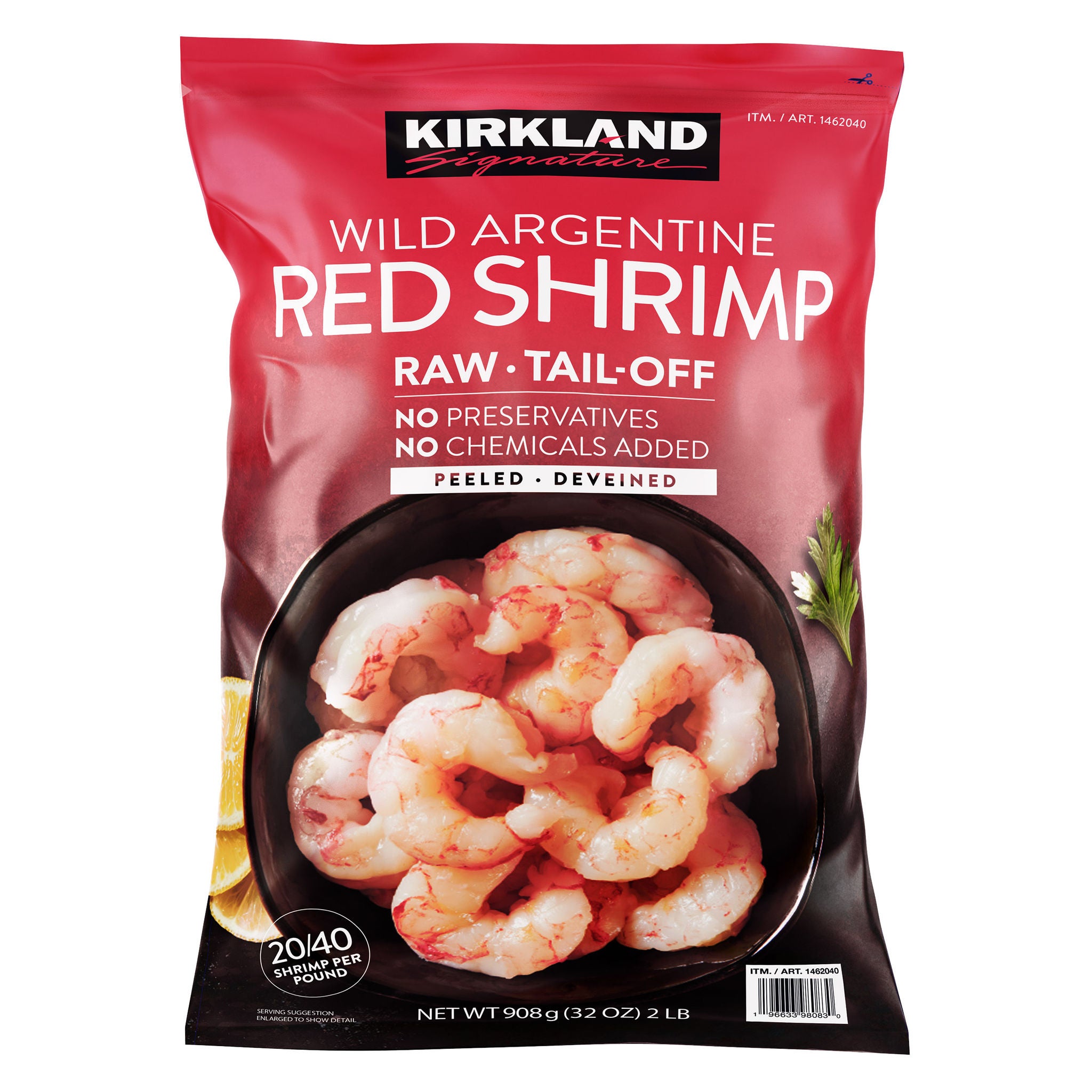


At a glance
Summary
This product contains shrimp, which is a high-quality source of protein and essential nutrients, contributing positively to its nutritional profile. However, the presence of sodium tripolyphosphate, a synthetic additive used for moisture retention, raises concerns about potential phosphate overload, which can impact bone health and kidney function. The processing level of this product further limits its score, despite the beneficial aspects of shrimp.
Key ingredients 4
ShrimpGood
Shrimp is a high-quality source of protein and essential nutrients like selenium and vitamin B12. It is low in fat and calories, making it a healthy choice for many diets. The natural form of shrimp provides beneficial omega-3 fatty acids.
Risks
Potential allergen for some individuals, which can cause severe allergic reactions.
Benefits
Rich in protein and essential nutrients, supporting muscle growth and maintenance. Contains omega-3 fatty acids that are beneficial for heart health.
WaterNeutral
Water is used as a processing aid and does not contribute significant nutritional value. It is essential for maintaining moisture and texture in the product. Water itself has no direct health risks or benefits in this context.
See more about Water →SaltNeutral
Salt is used for flavor enhancement and preservation. It is a common culinary ingredient but excessive intake can lead to health issues. In moderation, it is necessary for maintaining electrolyte balance.
Risks
Excessive consumption can lead to high blood pressure and cardiovascular issues.
Benefits
Provides essential sodium for maintaining fluid balance and nerve function.
Sodium TripolyphosphateBad
Sodium tripolyphosphate is used as a preservative and moisture-retaining agent. It is a synthetic additive that can contribute to phosphate overload in the diet. Overconsumption of phosphates can affect bone health and kidney function.
Risks
May contribute to phosphate overload, affecting bone health and kidney function.
Benefits
Helps retain moisture and improve texture in processed seafood products.
Processing
Processed Foods
Get the full breakdown in the Scout appTake Scout shopping
Scan any product to see lab results, healthy alternatives, and your personalized analysis.
Download on theApp Store GET IT ONGoogle Play