


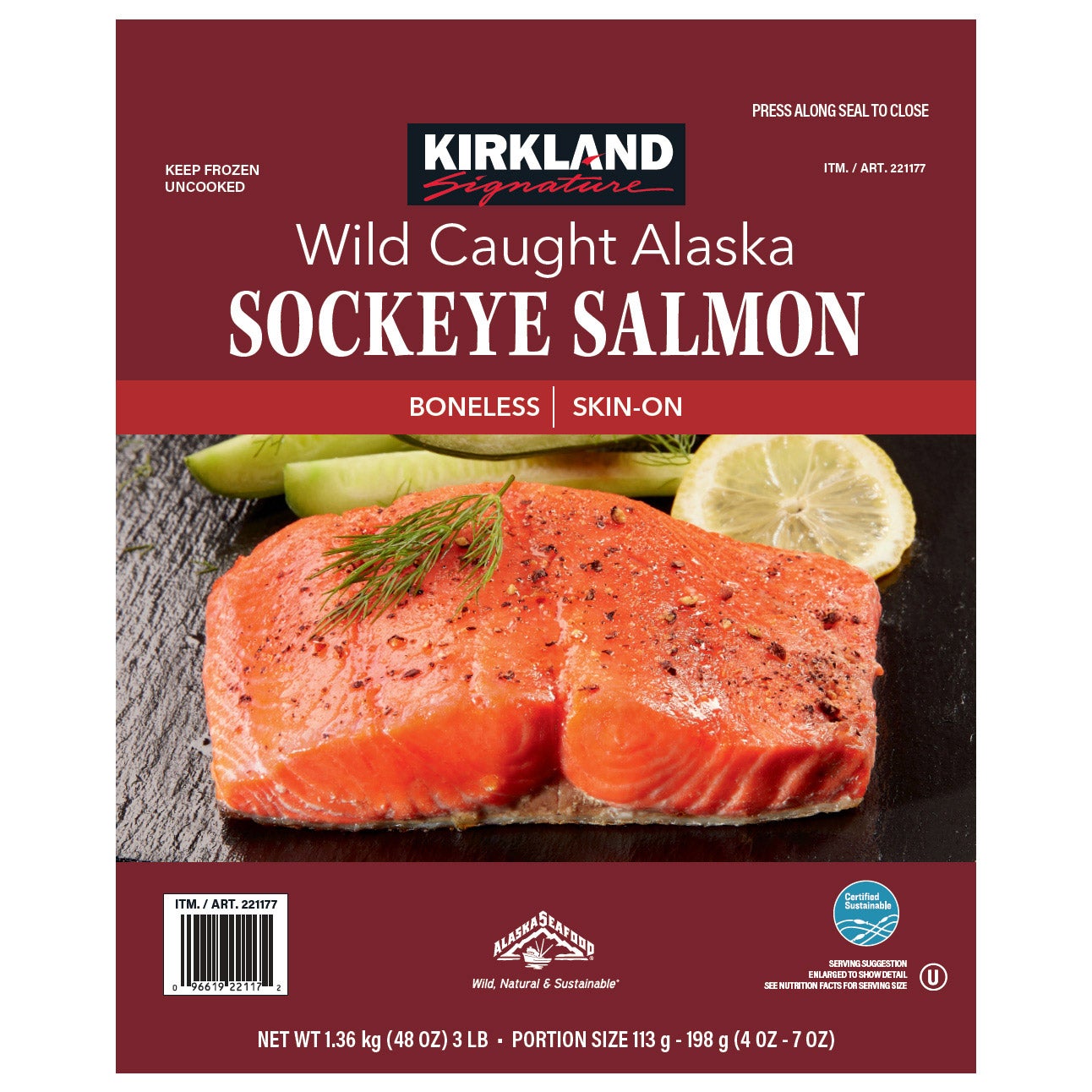



PRIVATE SELECTION, WILD ALASKAN SOCKEYE SALMON
Private SelectionAnalysis updated August 2026 · How Scout scores
At a glance
Summary
This product contains high-quality wild-caught sockeye salmon, which is a great source of protein and omega-3 fatty acids, beneficial for heart health. However, it is processed and includes sodium nitrite as a preservative, which is controversial due to potential health risks associated with nitrosamine formation. The presence of this additive and the processing level limit the score despite the nutritional benefits of the salmon.
Key ingredients 4
Sockeye SalmonVery Good
Sockeye salmon is a high-quality source of protein and omega-3 fatty acids. It is wild-caught, which typically means fewer contaminants and a better nutrient profile compared to farmed fish. The presence of omega-3s supports heart health and reduces inflammation.
Benefits
Rich in omega-3 fatty acids that support cardiovascular health and provide anti-inflammatory benefits. High-quality protein source with essential amino acids.
SaltNeutral
Salt is used as a preservative and flavor enhancer in many foods. It is a refined form of sodium chloride without additional trace minerals. Excessive consumption can lead to health issues such as hypertension.
Risks
High sodium intake is associated with increased risk of hypertension and cardiovascular diseases.
Benefits
Essential for maintaining fluid balance and nerve function in the body.
Natural Hardwood SmokeNeutral
Natural hardwood smoke is used to impart flavor to foods. It is a traditional method of food preservation and flavoring. While generally safe, excessive consumption of smoked foods may pose health risks.
Risks
Excessive consumption of smoked foods may increase the risk of certain cancers due to the presence of polycyclic aromatic hydrocarbons (PAHs).
Benefits
Provides a distinct smoky flavor and acts as a natural preservative.
Sodium NitriteBad
Sodium nitrite is a preservative used to prevent bacterial growth and maintain color in processed meats. It can form nitrosamines, which are potential carcinogens, especially when exposed to high heat. Its use is controversial due to potential health risks associated with long-term consumption.
Risks
Potential formation of nitrosamines, which are linked to an increased risk of cancer.
Benefits
Helps prevent bacterial growth and spoilage in processed meats.
Processing
Processed Foods
Get the full breakdown in the Scout appTake Scout shopping
Scan any product to see lab results, healthy alternatives, and your personalized analysis.
Download on theApp Store GET IT ONGoogle Play