
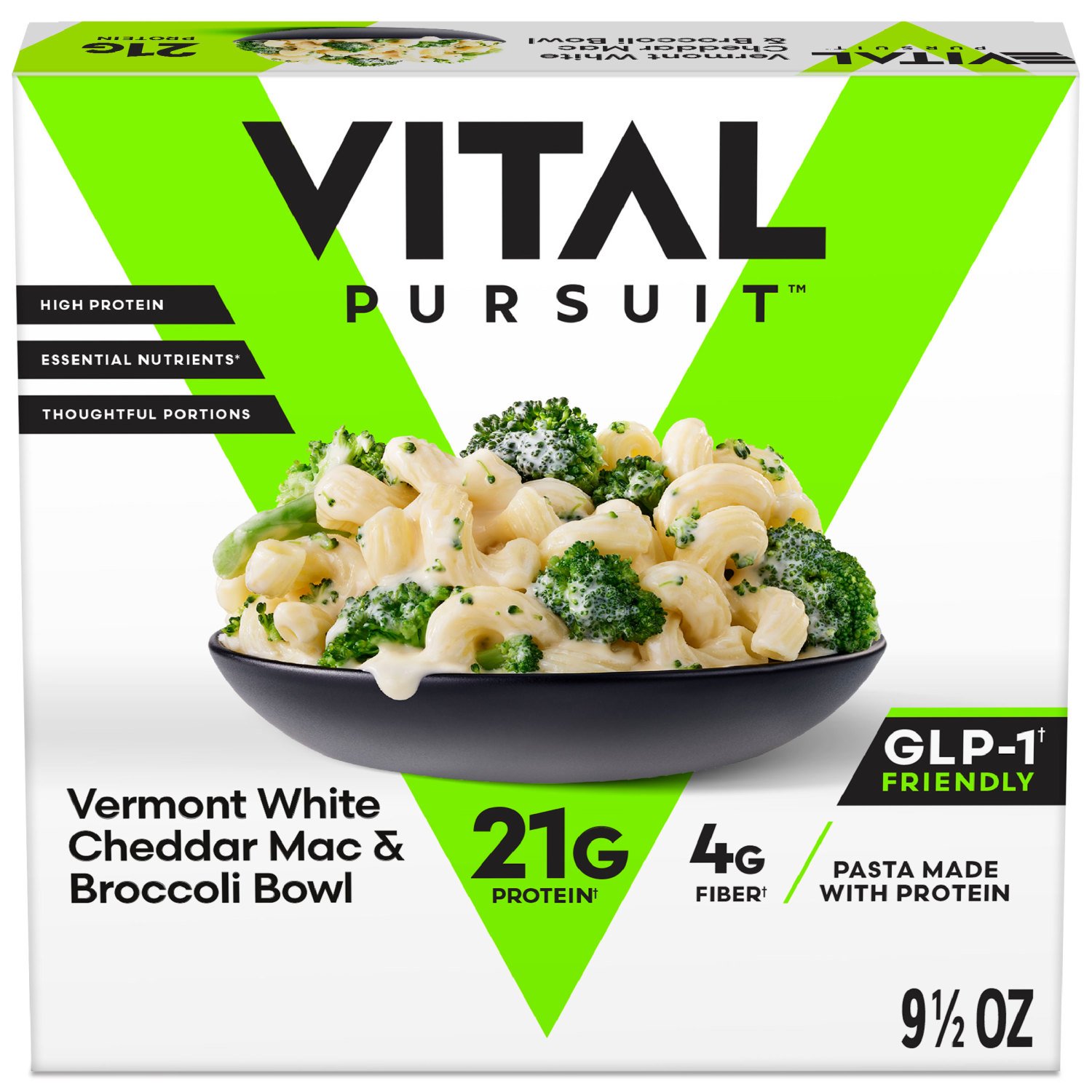




Vermont White Cheddar Mac & Broccoli Bowl
Summary
This product contains beneficial ingredients like broccoli and Vermont white cheddar cheese, which provide essential nutrients and antioxidants. However, the presence of soybean oil, a seed oil high in omega-6 fatty acids, and the use of multiple additives contribute to its high processing level. The ultra-processed nature of the product limits its overall healthiness despite some positive nutritional aspects.
At a glance
Key ingredients 13
Cooked pastaNeutral
Cooked pasta is a staple carbohydrate source made from semolina wheat flour and water. It provides energy but lacks significant nutritional benefits beyond carbohydrates. The inclusion of wheat gluten may enhance texture but does not add nutritional value.
Risks
Contains gluten, which may cause issues for individuals with celiac disease or gluten sensitivity.
Benefits
Provides a source of carbohydrates for energy. The semolina flour offers a slightly higher protein content compared to regular refined flour.
Nonfat milkGood
Nonfat milk is a source of protein and calcium without the added fat content of whole milk. It supports bone health and provides essential nutrients like vitamin D. The removal of fat makes it a lower-calorie option.
Benefits
Rich in calcium and vitamin D, supporting bone health. Provides protein without added fats, making it a lower-calorie dairy option.
BroccoliVery Good
Broccoli is a nutrient-dense vegetable rich in vitamins C, K, and fiber. It contains antioxidants that support immune function and reduce inflammation. Its high fiber content aids in digestion and promotes satiety.
Benefits
High in vitamins and antioxidants, supporting immune health and reducing inflammation. Fiber content aids digestion and promotes fullness.
Vermont white cheddar cheeseGood
Vermont white cheddar cheese is a flavorful source of protein and calcium. Made from cultured milk, it provides essential nutrients and a rich taste. The fermentation process enhances its digestibility and nutrient absorption.
Risks
Contains lactose, which may cause issues for lactose-intolerant individuals.
Benefits
Rich in protein and calcium, supporting bone health. Fermentation enhances nutrient absorption and digestibility.
Reduced fat vermont cheddar cheeseGood
Reduced fat Vermont cheddar cheese offers a lower-fat alternative while still providing protein and calcium. It retains the flavor of cheddar with less saturated fat. The inclusion of vitamin A palmitate enhances its nutritional profile.
Risks
Contains lactose, which may cause issues for lactose-intolerant individuals.
Benefits
Provides protein and calcium with reduced fat content. Vitamin A palmitate supports vision and immune health.
BreadcrumbsNeutral
Breadcrumbs are used for texture and flavor enhancement in dishes. Made from wheat flour, they add carbohydrates but little nutritional value. The presence of sugar and soybean oil may be a concern for those monitoring sugar and fat intake.
Risks
Contains gluten and added sugar, which may be a concern for those with sensitivities or dietary restrictions.
Benefits
Adds texture and flavor to dishes. Provides a source of carbohydrates.
Soybean oilVery Bad
Soybean oil is a seed oil high in omega-6 fatty acids, which can promote inflammation when consumed in excess. It is highly processed and lacks significant nutritional benefits. The high omega-6 content may disrupt the omega-3 to omega-6 balance in the diet.
Risks
High omega-6 content may promote inflammation when consumed in excess.
SaltNeutral
Salt is used to enhance flavor and preserve food. It is essential for maintaining fluid balance and nerve function. However, excessive intake can lead to hypertension and cardiovascular issues.
Risks
Excessive salt intake can lead to hypertension and cardiovascular issues.
Benefits
Essential for maintaining fluid balance and nerve function.
Potassium saltNeutral
Potassium salt is used as a salt substitute to reduce sodium intake. It helps maintain electrolyte balance and supports heart health. However, excessive consumption can lead to hyperkalemia, especially in individuals with kidney issues.
Risks
Excessive consumption can lead to hyperkalemia, particularly in individuals with kidney issues.
Benefits
Helps reduce sodium intake and supports electrolyte balance and heart health.
Xanthan gumNeutral
Xanthan gum is a common food additive used as a thickening and stabilizing agent. It is derived from fermented sugars and is generally considered safe in small amounts. However, it may cause digestive issues in sensitive individuals.
Risks
May cause digestive issues such as bloating and gas in sensitive individuals.
Benefits
Used to improve texture and stability in food products.
Yeast extractNeutral
Yeast extract is used to enhance flavor, providing a savory umami taste. It is a source of B vitamins and amino acids. However, it may contain naturally occurring glutamates, which some individuals may be sensitive to.
Risks
May contain naturally occurring glutamates, which can cause sensitivity in some individuals.
Benefits
Enhances flavor and provides B vitamins and amino acids.
Lactic acidNeutral
Lactic acid is used as a preservative and flavoring agent in foods. It is naturally occurring and generally recognized as safe. It can help maintain the acidity and freshness of food products.
Benefits
Helps preserve food and maintain acidity, contributing to flavor and freshness.
Calcium lactateNeutral
Calcium lactate is used as a food additive to enhance calcium content and improve texture. It is generally recognized as safe and can contribute to dietary calcium intake. However, excessive consumption may lead to digestive discomfort.
Risks
Excessive consumption may lead to digestive discomfort.
Benefits
Enhances calcium content and can improve food texture.
Processing
Ultra-Processed Foods
Get the full breakdown in the Scout app
Scan any product to see lab results, healthy alternatives, and your personalized analysis.
Download on theApp Store